Last updated November 25, 2026
Free roof inspection with deck photos before we talk money - GAF and Owens Corning certified installation
Roofing Cost Breakdown: The Redmond Homeowner’s Reference for 2026
Most roofing cost guides give you a number per square foot and call it a day. That number is nearly useless in Redmond, where labor rates run well above the national median, King County charges real money to dispose of tear-off debris, and the City of Redmond’s permit fee follows a valuation table that catches homeowners off guard. The quote you get isn’t one price. It’s a stack of line items: material, labor, underlayment, flashing, disposal, permit, and registration. This guide breaks down each one so the final invoice doesn’t surprise you.
Quick Answer
A full roof replacement on a typical Redmond home runs roughly $14,000 to $28,000 depending on square footage, pitch, material system, and how many layers need to come off. Architectural asphalt shingle sits in the middle of that range, tile runs higher, and metal is the largest upfront investment but often the lowest cost per year of service. Your written, line-item estimate is what sets the final price.
Styles & brands we work with
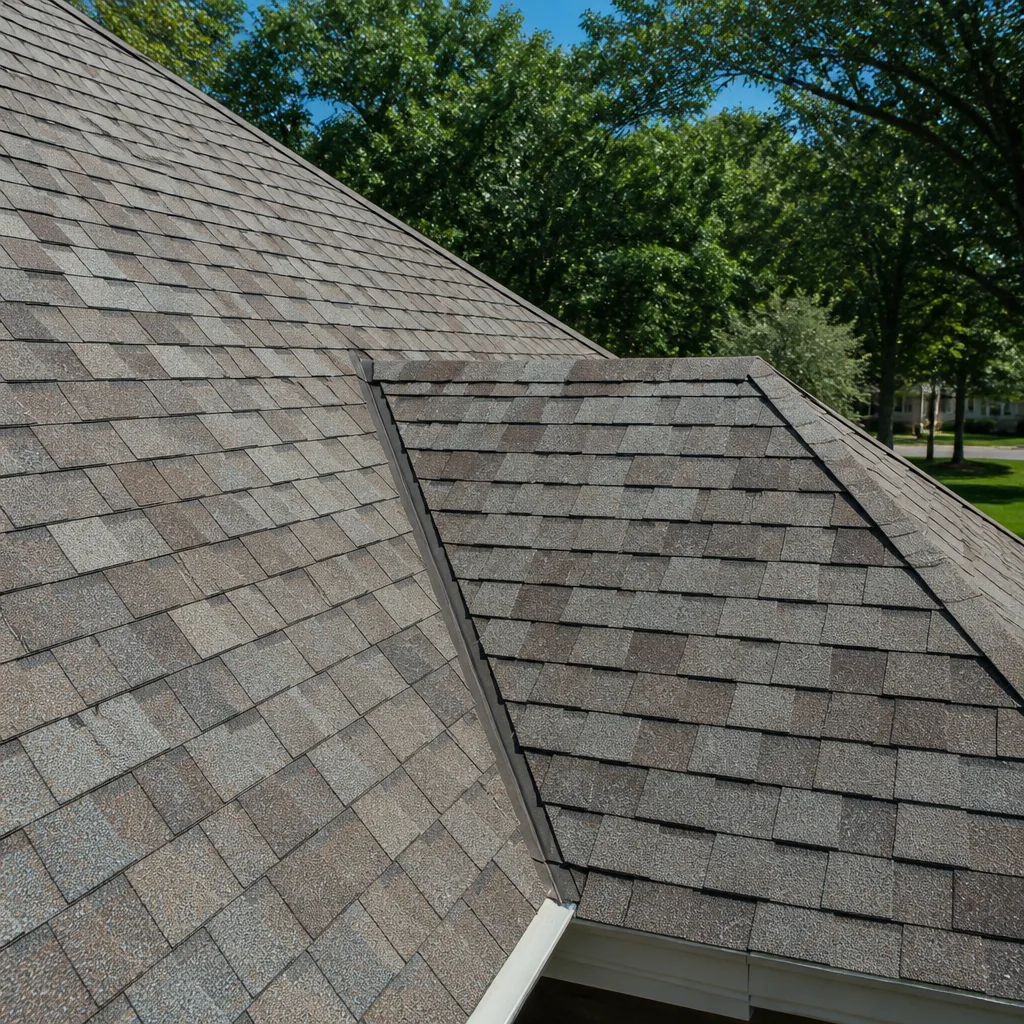
- Architectural shingles
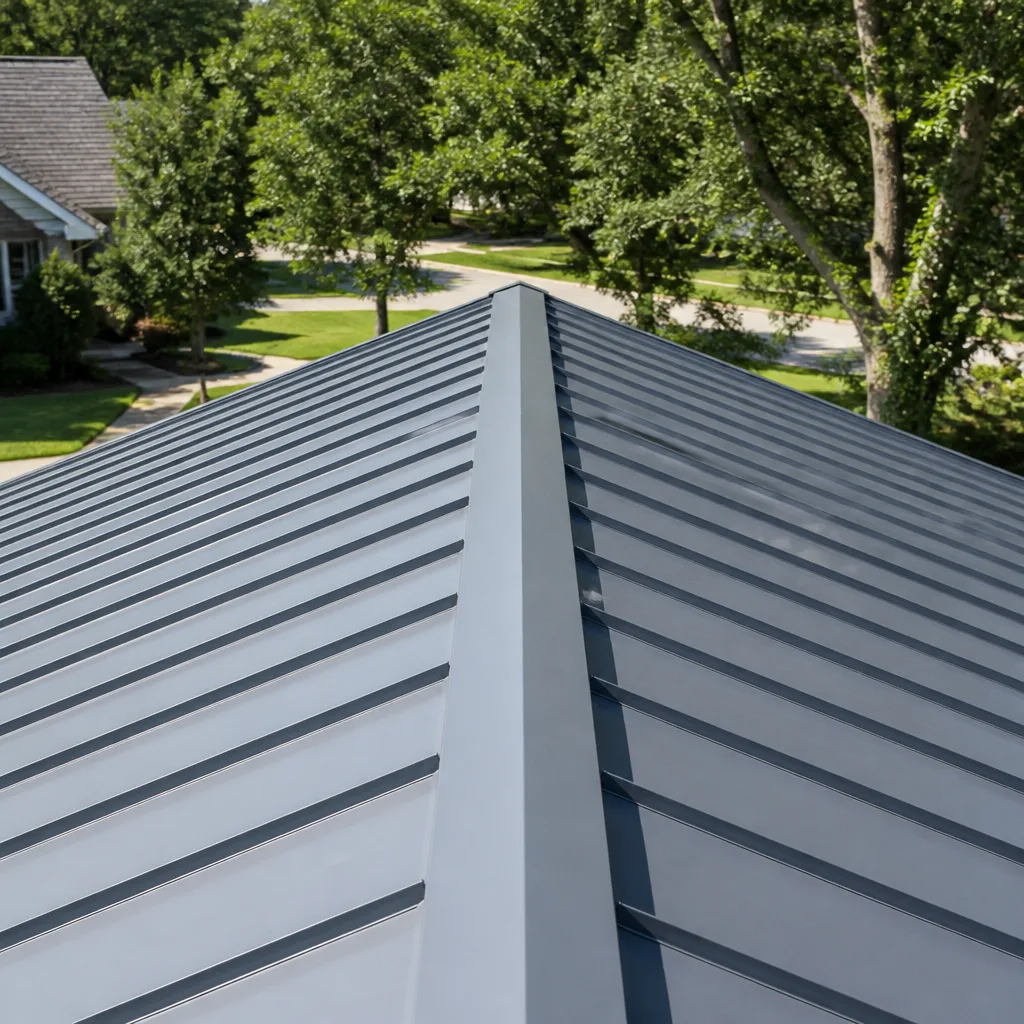
- Metal roofing
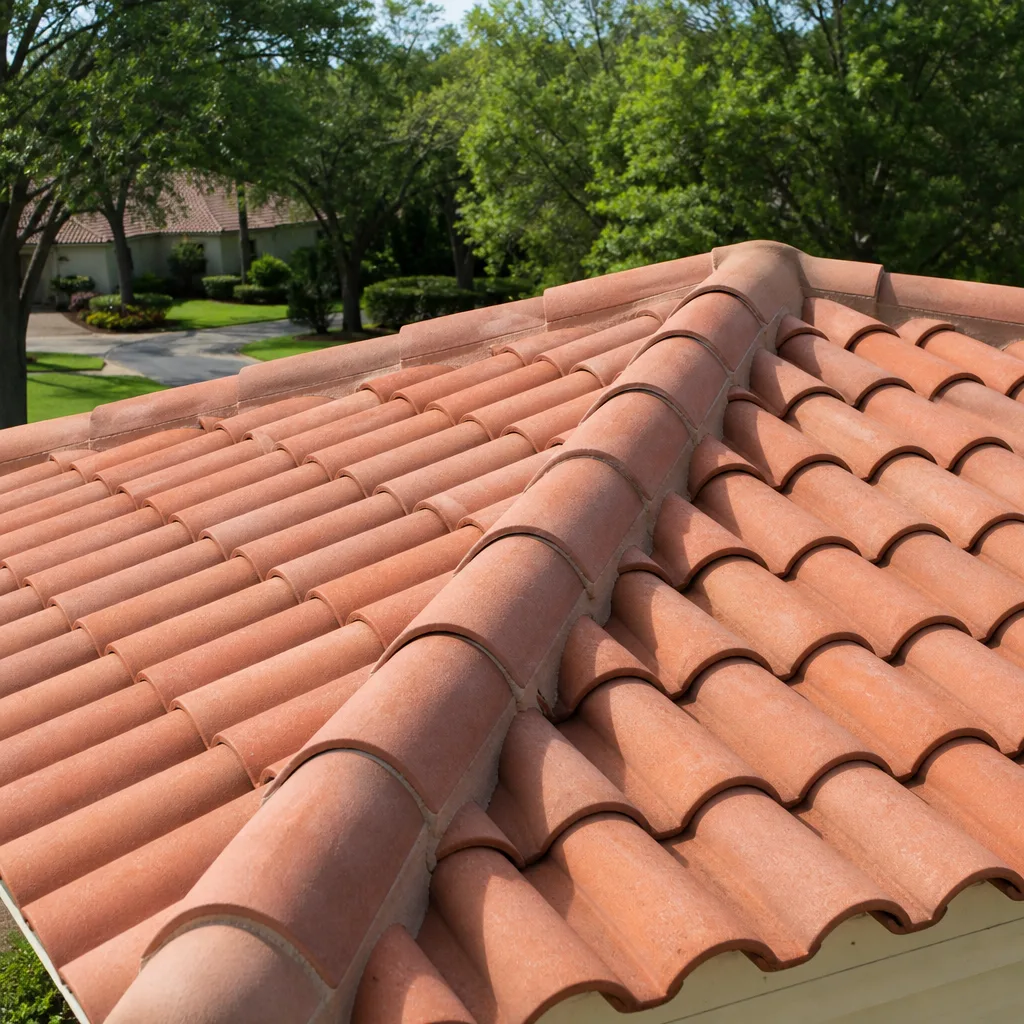
- Tile roofing
- GAF
- Owens Corning
- Flat & low-slope
Table of Contents
- What Actually Goes Into a Redmond Roofing Quote
- Material Costs by Roofing System
- Labor, Permit, and Disposal: The Redmond Premium
- Hidden Cost Triggers on Redmond Homes
- 3-Tab vs. Architectural Shingle: The Real Gap
- Class 4 Impact-Resistant Shingles and the Insurance Offset
- Metal vs. Shingle: Cost-Per-Decade Math
- Manufacturer Warranty and Installer Credentials
What Actually Goes Into a Redmond Roofing Quote
A roof replacement quote isn’t a single number, it’s a set of line items that each move independently. Understanding them is how you compare two bids fairly, because the cheapest total is often the one that quietly left something out.
Here’s what a complete estimate should show, line by line:
- Material. Shingles, panels, or tile, plus the accessories that go with the system: ridge caps, starter strips, drip edge, and ventilation.
- Underlayment. The water-shedding layer beneath the finished roof. Synthetic underlayment costs more than felt but lasts longer and handles Redmond’s wet winters better.
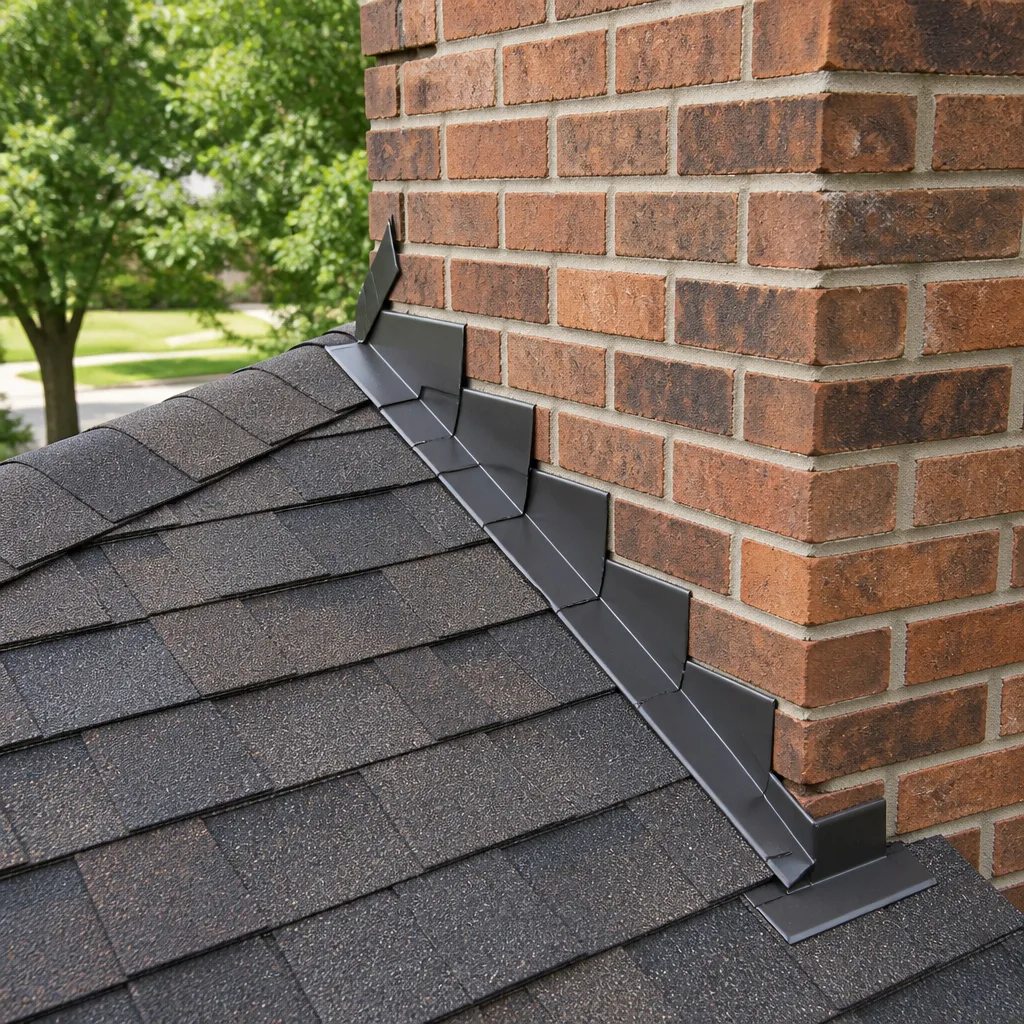
- Flashing. Metal pieces around chimneys, valleys, skylights, and wall transitions. This is where most leaks start, so it shouldn’t be skimped.
- Labor. Tear-off, decking inspection, installation, and cleanup. Labor is the largest variable in Redmond and the line most affected by pitch and access.
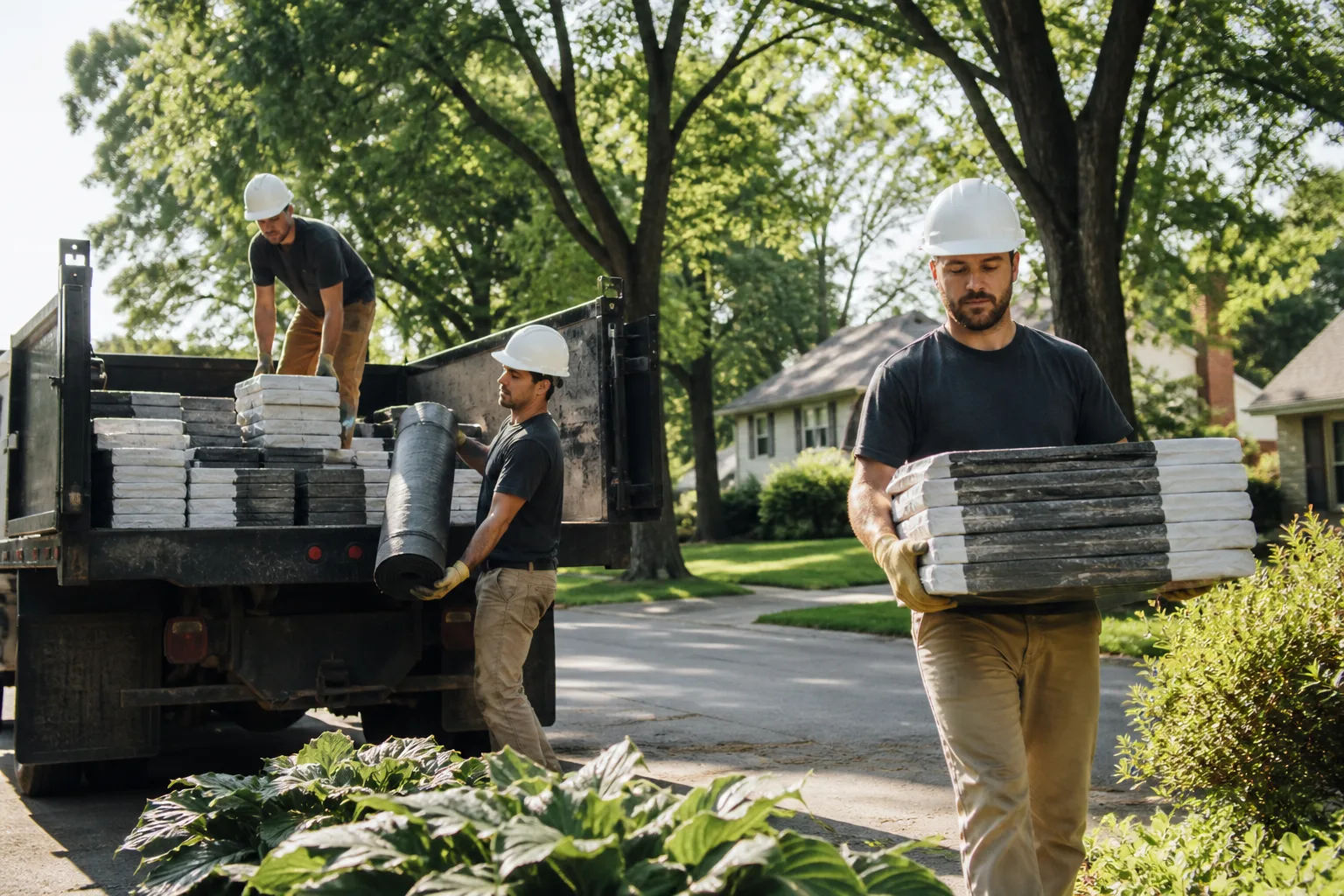
- Disposal. Hauling old shingles and debris to a transfer station. King County charges by weight, and a two-layer tear-off doubles the load.
- Permit. The City of Redmond issues roofing permits, and the fee follows a valuation-based schedule tied to project value.
- Manufacturer registration. Filing the paperwork that activates your product warranty. Some contractors skip this; it should be on the estimate.
When you look at a bid from Redmond Roofing Pros, every one of those lines should be present and priced. A quote that folds them into one lump sum makes it impossible to see where the money goes, and impossible to compare against another bid.
Material Costs by Roofing System
Material cost depends on which of the three residential systems you choose, and each has its own profile. In our experience, the material line is the one homeowners can most easily control without sacrificing performance.
Here’s how the three systems compare in Redmond:
- Asphalt shingles. The most common choice in Redmond and the most economical upfront. Architectural shingles cost more than 3-tab but deliver a longer service life and better wind and impact resistance. We install several lines, including IKO and Atlas products, so the recommendation follows your budget rather than a single supplier.
- Tile. Clay or concrete tile carries the highest material cost but can outlast the house. It’s heavy, so the structure may need a framing review before installation. tile roofing suits homeowners prioritizing longevity and a distinct look.
- Metal. Standing-seam and other metal profiles sit at the top of the upfront range but have a long service life and low maintenance. metal roofing is worth serious consideration on a home where you plan to stay put for a long time.
All three are genuine options, not upgrades we push. shingle roofing remains the default for most Redmond homes because it balances cost and performance well for the climate. If you’re weighing a full system change, a conversation with a specialist who installs all three is the place to start.
Labor, Permit, and Disposal: The Redmond Premium
Labor is where Redmond bids diverge most from national averages. The regional construction labor market runs well above the national median, and that gap shows up directly in the labor line of every roofing quote. Two identical roofs, one in a low-cost market and one in Redmond, will not price the same.
Beyond labor, two fixed costs are easy to underestimate:
- Permit fees. The City of Redmond issues permits for roof replacement, and the fee schedule is tied to a valuation table. A lower bid sometimes underquotes this line, leaving you to cover the difference once the permit is pulled. Ask every contractor to show the permit line separately.
- Disposal. King County transfer stations charge by weight for tear-off debris. A single-layer tear-off is one load; a two-layer tear-off doubles it. If your home has two layers of old shingles, budget for the extra haul.
None of this is padding. It’s the real cost of doing the work correctly in this market. A contractor who quotes a national average here is either guessing or planning to cut something later. Our estimates itemize labor, permit, and disposal so you can see exactly what you’re paying for and why.
Hidden Cost Triggers on Redmond Homes
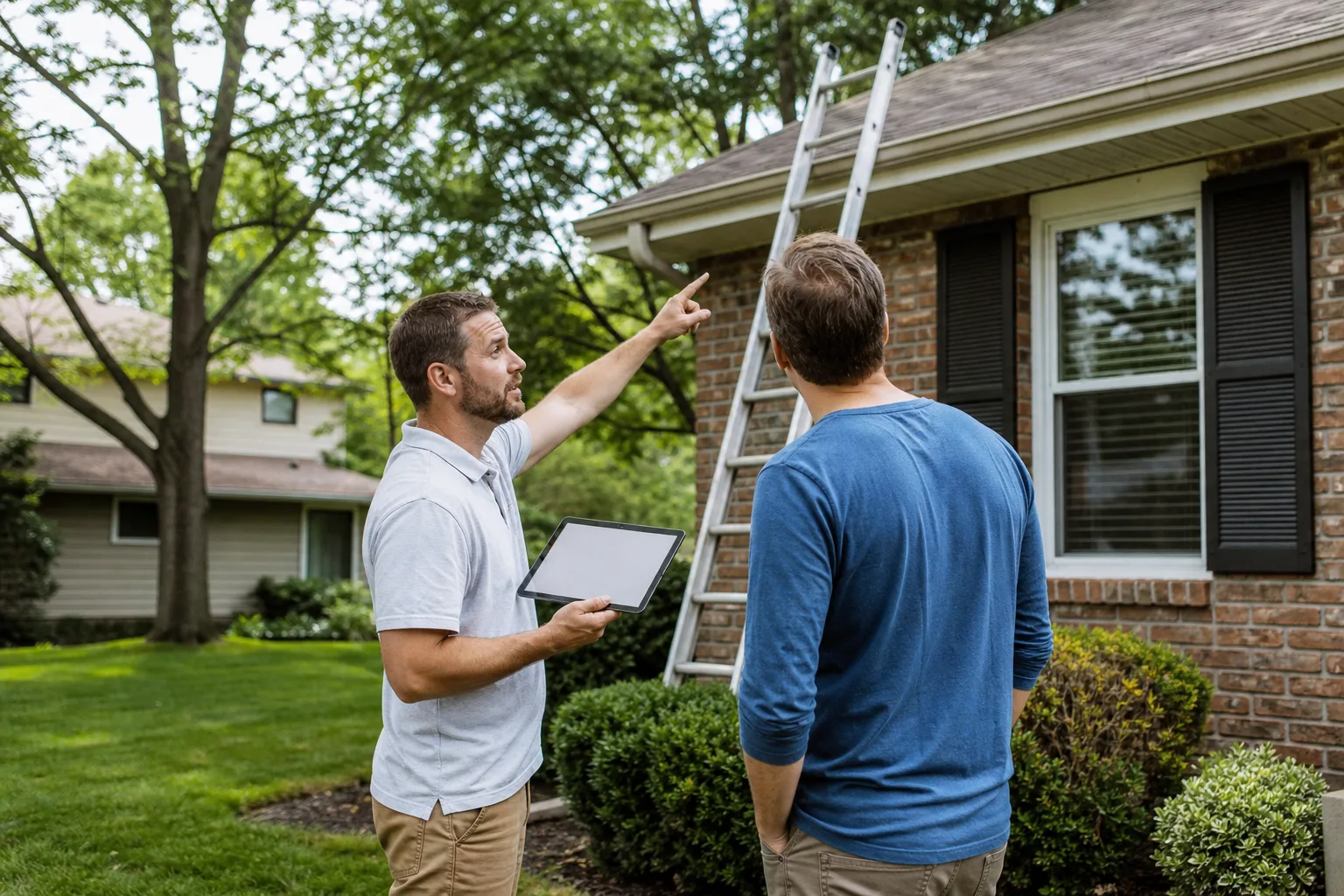
Base quotes assume a straightforward roof. Many Redmond homes aren’t straightforward, and the cost triggers below are what typically push a final invoice above the initial number. Ask any contractor to walk the roof and flag these before you sign.
- Steep pitch surcharges. Roofs above a standard pitch take longer and require more safety setup. The steeper the roof, the higher the labor line, and this is a legitimate charge, not an upsell.
- Two-layer tear-off. Removing two layers of old roofing costs more in labor and doubles the disposal weight. If your home has been re-roofed over the old layer before, expect this.
- Damaged deck boards. Any soft or rotted sheathing found under the old roof has to be replaced. Contractors usually price this per board after teardown reveals the true condition.
- Failed plywood at the eave overhang. The overhang takes the brunt of weather, and the sheathing there often fails first. It’s a small area but a common surprise on older homes.
- Flashing and chimney work. A chimney with failing flashing or a skylight that needs re-sealing adds labor and materials that a base quote may not include.
The honest way to handle these is to note them as potential additions and price them transparently if they turn up. A written estimate with a fixed scope and clear contingencies protects you far better than a low number with vague language.
3-Tab vs. Architectural Shingle: The Real Gap
Homeowners often assume 3-tab shingles are dramatically cheaper than architectural shingles. In Redmond, the gap between the two quotes is smaller than expected, because the labor to install either is nearly identical. The material difference is real, but labor parity narrows the total.
What you actually get for the extra money:
- Longer warranty. Architectural shingles typically carry a 30-year product warranty versus the shorter coverage on 3-tab. That’s a meaningful difference over the life of the roof.
- Better wind and impact performance. Architectural shingles handle Redmond’s winter weather and wind better, which can reduce the chance of an early call for help.
- Appearance. The dimensional look of architectural shingles reads as a higher-grade roof, which matters if resale is on your horizon.
When labor is roughly the same either way, the smaller-than-expected upgrade to architectural shingles usually pays for itself in service life. We install both, and the recommendation depends on your budget and how long you plan to stay in the home. It isn’t a sales decision; it’s a math one. If you’re planning a full replacement, our roof replacement page walks through how a project is sequenced from estimate to final inspection.
Class 4 Impact-Resistant Shingles and the Insurance Offset
Class 4 impact-resistant shingles cost more upfront than standard architectural shingles, but the premium is smaller than most homeowners expect, and many insurers offer a discount on premiums for homes that carry them. Over a decade, that discount can offset a meaningful share of the extra cost.
Here’s the honest framing:
- Upfront premium. Expect to pay somewhat more per square for a Class 4 rated product than for a standard architectural shingle.
- Durability benefit. Impact-resistant shingles resist storm and impact damage better, which can mean fewer early roof calls over the life of the roof.
- Insurance discount. Many insurers offer a reduced premium for Class 4 rated roofs. The exact discount depends on your carrier and policy, so ask your insurer to quote the difference before you decide.
Over ten years, the premium you pay upfront can be partly or largely recovered through the discounted premium, especially on a larger roof. Whether it pencils out depends on your policy. The point is to run the numbers with your insurer rather than dismissing the upgrade as too expensive. We install brands like Boral and Tamko, among others, so you have genuine choice in which rated product fits the job.
Metal vs. Shingle: Cost-Per-Decade Math
The right comparison between metal and architectural shingles isn’t the sticker price, it’s the cost per decade of service. Metal costs more upfront, but its service life is significantly longer, which shifts the math on a home you plan to keep for many years.
For a 2,400 square foot home in Redmond, here’s how the comparison works:
- Start with the installed cost of each system. Metal sits at the top of the upfront range; architectural shingles sit in the middle.
- Estimate the service life of each. Metal typically outlasts asphalt shingles substantially, which is where the crossover appears.
- Divide the installed cost by the years of service you expect, and the per-decade cost of each system becomes clear.
- Factor in Redmond’s precipitation load and winter weather. Both systems handle it well, but a longer-lived roof means fewer replacement cycles over the time you own the home.
At the start of the comparison, the shingle roof looks cheaper, because the upfront cost is lower. The crossover point arrives over the years as the metal roof outlasts one or more shingle cycles. If you plan to stay in your Redmond home for the long haul, metal is often the lower cost per decade. If you plan to move sooner, shingle may make more financial sense. Our new roof installation page explains how to weigh that choice with a contractor who installs both.
Manufacturer Warranty and Installer Credentials
A product warranty is only as good as the installer who files it. Many of the strongest warranty programs from GAF, CertainTeed, and Owens Corning are available only through credentialed contractors. That means the same shingle installed by two different contractors may carry two different levels of coverage.
What to check before you sign:
- Installer credentials. Ask whether the contractor is authorized by the manufacturer to offer the enhanced warranty tier, not just the base product coverage.
- Registration paperwork. A qualified installer should register the warranty on your behalf and hand you the documentation. If registration isn’t mentioned, ask.
- Multi-brand access. A specialist who works with several manufacturers, rather than one, can recommend the product that fits your roof instead of the one they happen to carry. We install products from seven brands, so the choice follows your home’s needs.
This is where material-agnostic advice pays off. When a contractor only installs one brand, the warranty talk tends to skew toward whatever maximizes that brand’s margin. When they install many, the conversation centers on the roof itself. Before you sign any contract, our guide to roof replacement walks through how to compare bids line by line.
Common Mistakes to Avoid
- Comparing only the bottom-line total. A low total usually means a missing line item, often the permit or disposal. Ask every bid to itemize so you can compare like for like.
- Assuming a national average applies here. Redmond labor, King County disposal fees, and City of Redmond permit valuation all push costs above the national number. Budget for the local reality, not a national figure.
- Not asking whether the permit is included. Underquoting permits is a common way to lower a bid. Confirm the permit fee is a separate, visible line.
- Skipping the deck inspection conversation. Rotted sheathing and failed plywood at the eave overhang are common on older Redmond homes. Ask how the contractor prices those discoveries before teardown begins.
- Dismissing Class 4 shingles without an insurance quote. The premium is smaller than many expect, and the insurance discount can partly offset it over a decade. Run the numbers before ruling it out.
- Choosing on appearance alone. Architectural shingles look better than 3-tab, but they also carry a 30-year warranty and better weather performance. Weigh all three factors.
- Ignoring installer credentials. A top-tier warranty is worth nothing if the installer isn’t credentialed to offer it. Confirm before you sign.
See the difference
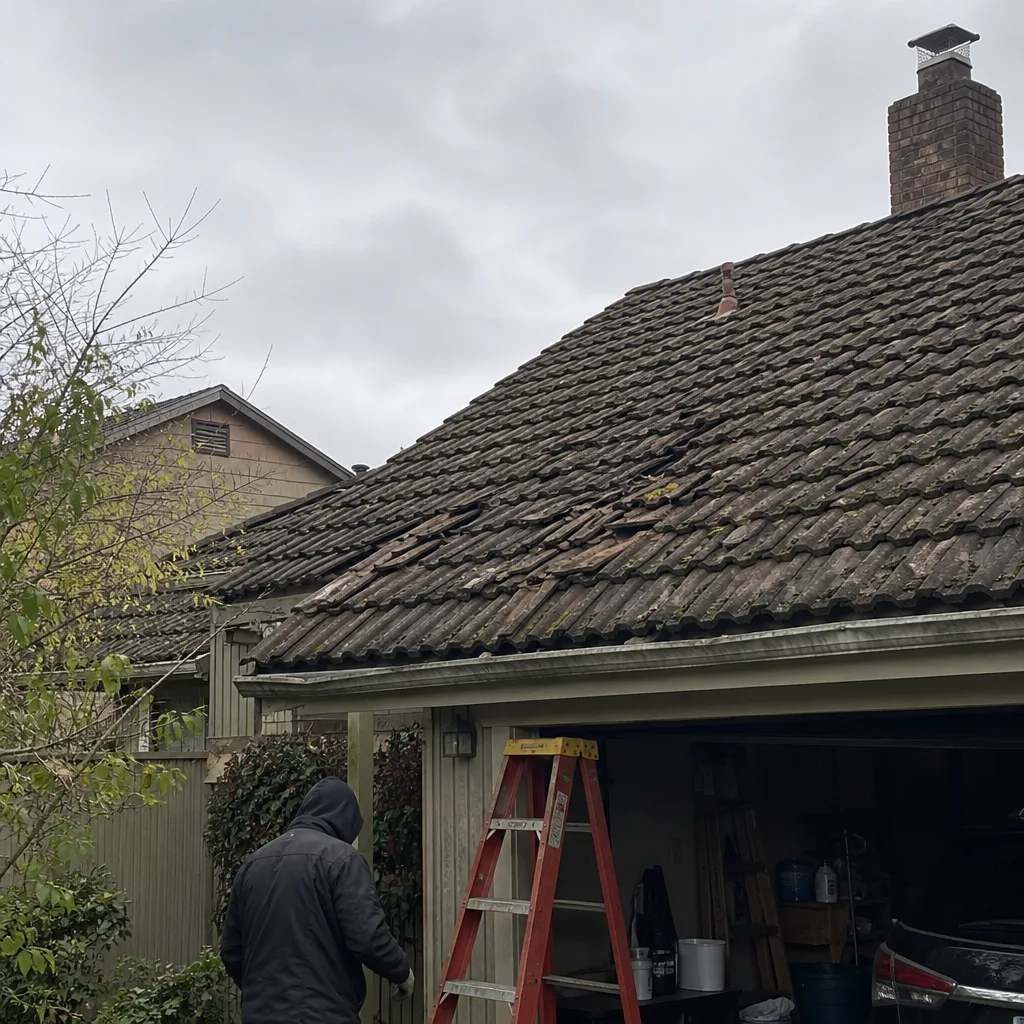 Before
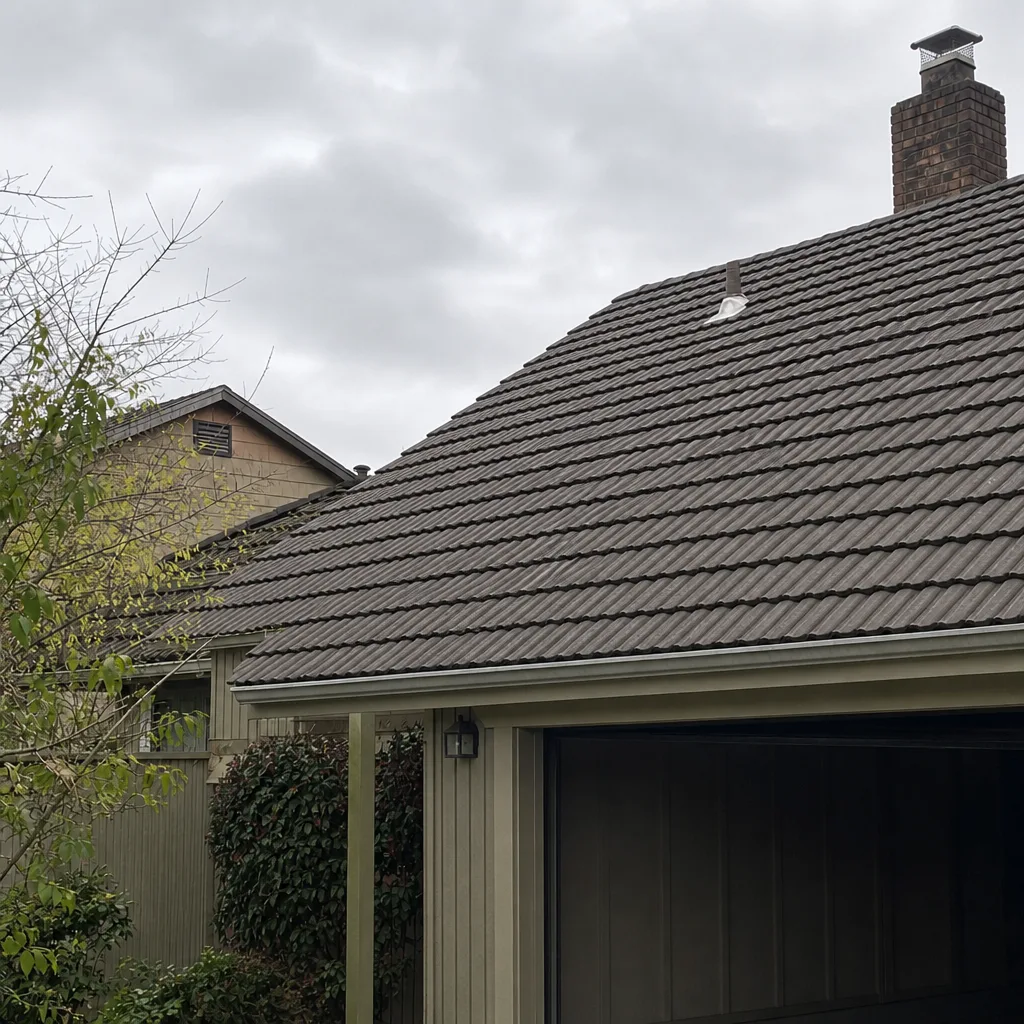 After
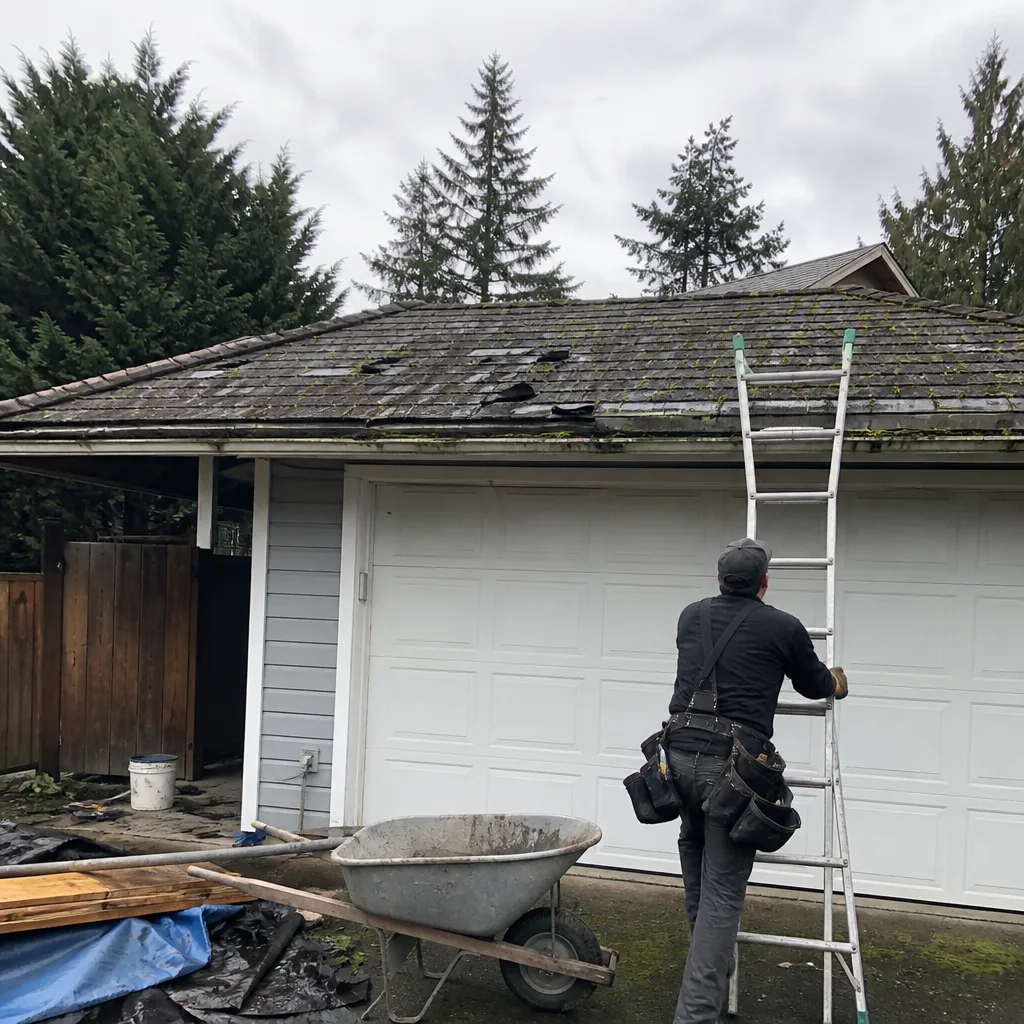 Before
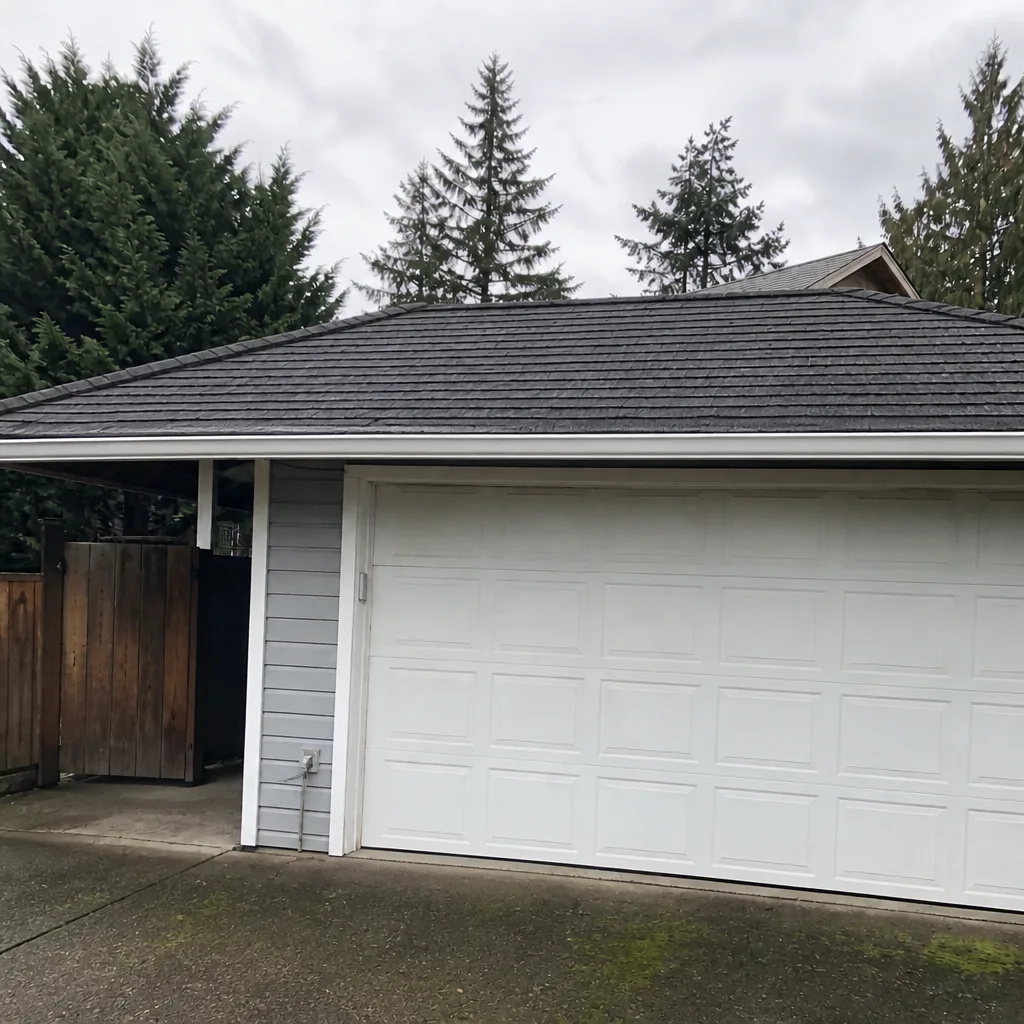 After
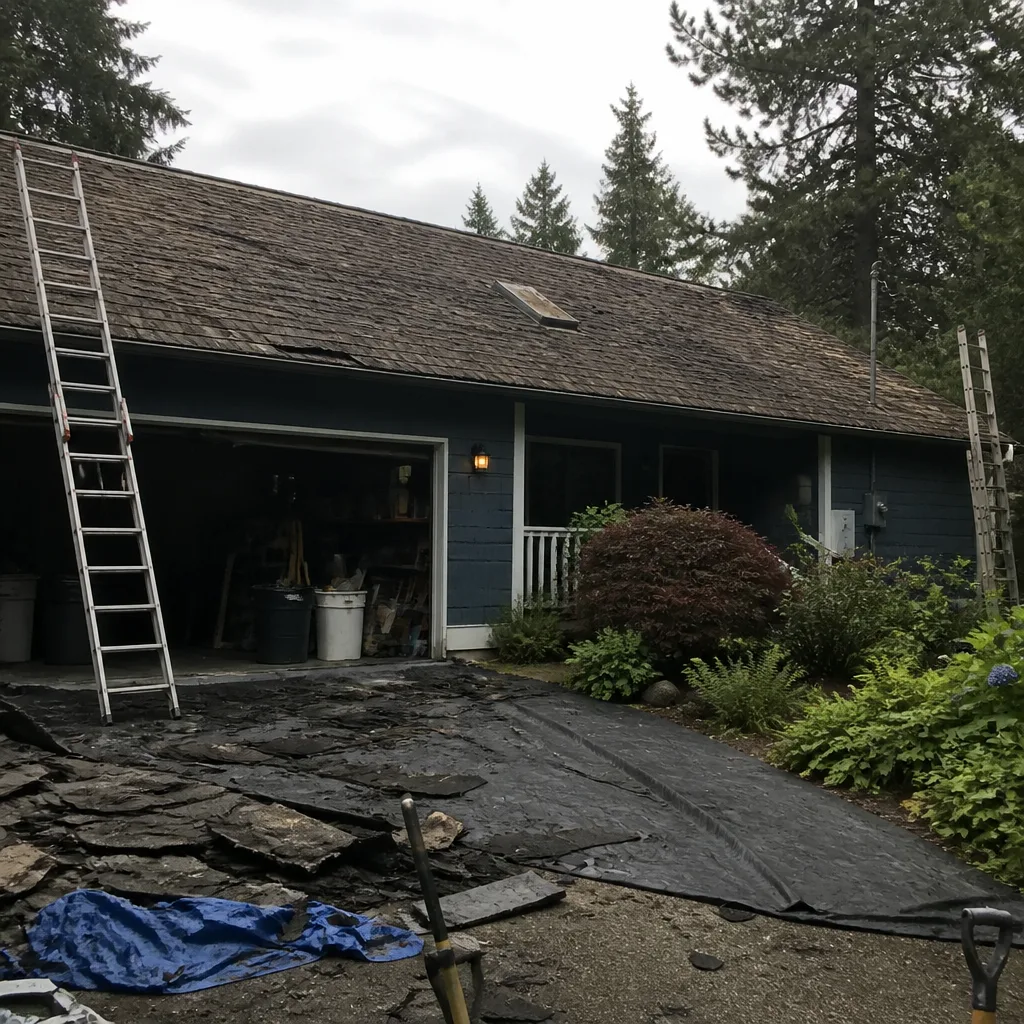 Before
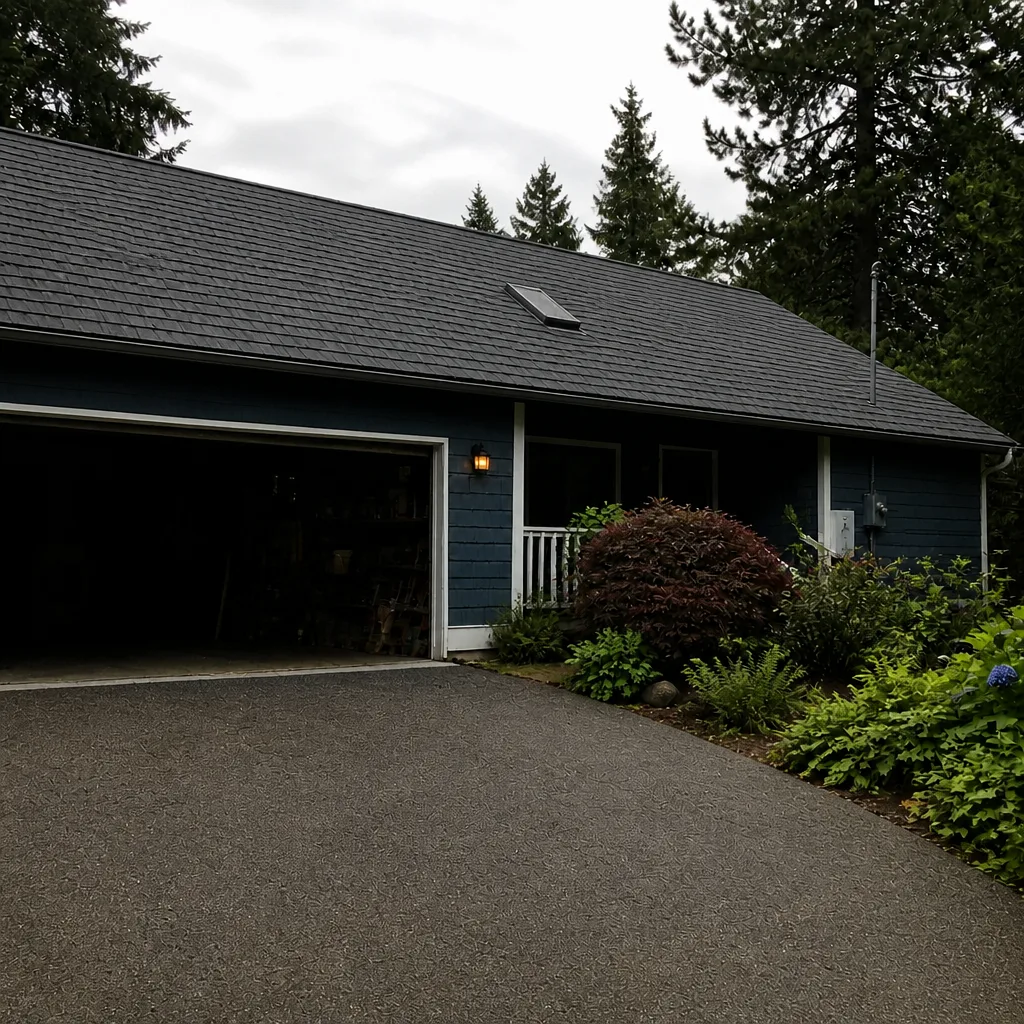 After
When to Call a Professional
Some roofing questions can be answered from the curb, but a roof replacement decision shouldn’t be. Call a professional when your roof is near the end of its service life and you’re weighing a full replacement, when a bid seems too low to be honest, when you’re comparing shingle, tile, and metal and want an unbiased recommendation, or when you’re ready to get a written, itemized estimate before committing to a major investment. Those are the moments when a specialist who installs all three systems and works with multiple manufacturers saves you money over the long run. Redmond Roofing Pros offers free estimates in Redmond. Call (425) 696-5053. We answer 24/7. Fast dispatch from 7am to 7pm, Sunday through Friday.
Frequently Asked Questions
A full replacement on a typical Redmond home runs roughly $14,000 to $28,000 depending on square footage, pitch, material, and number of layers being removed. Metal and tile sit at the higher end; architectural shingles sit in the middle. Call (425) 696-5053 for an exact quote, because estimates are free.
Labor in the Puget Sound region runs above the national median, King County charges by weight for tear-off disposal, and City of Redmond permit fees follow a valuation table. Those three factors alone push local costs above national averages. Call (425) 696-5053 to see how they apply to your roof.
With a written, itemized estimate and a fixed scope, the base price doesn’t change. The only legitimate additions are discoveries like damaged deck boards or failed sheathing found after teardown, which should be priced transparently. Ask for those contingencies in writing before you sign.
Yes. Roofing permits are required in Redmond, and a qualified contractor shows the permit fee as a separate line and pulls it on your behalf. If a bid doesn’t mention the permit, ask why. Call (425) 696-5053 to confirm what your project needs.
Often, yes. The upfront premium is smaller than many homeowners expect, and many insurers discount premiums for Class 4 rated roofs, which can partly offset the extra cost over a decade. Ask your insurer for a quote on the difference before you decide.
Most residential roof replacements take a few days to about a week, depending on square footage, pitch, weather, and how many layers are being removed. Tile and metal can run longer than shingle. Call (425) 696-5053 for a realistic timeline based on your roof.
The Bottom Line
Roofing cost in Redmond isn’t one number, it’s a stack of line items: material, labor, underlayment, flashing, disposal, permit, and manufacturer registration. Compare bids by those lines, not by the total. Budget for the local labor premium and King County disposal costs. Ask about Class 4 shingles and the insurance discount before ruling them out. And weigh metal against shingle on a cost-per-decade basis if you plan to stay in the home. A written, itemized estimate is your best protection against surprise additions. Call (425) 696-5053 for a free estimate. We answer 24/7. Fast dispatch from 7am to 7pm, Sunday through Friday. Our technicians have up to 8 years of experience.
Written by the team at Redmond Roofing Pros.