Last updated November 25, 2026
Free roof inspection with deck photos before we talk money - GAF and Owens Corning certified installation
DIY vs Professional Roofing: The Redmond Homeowner’s Decision Guide
Most homeowners frame the DIY-versus-professional question as a cost calculation, and it’s the wrong frame. In Redmond, the variables that actually decide whether a roof project is self-appropriate are permit triggers, warranty registration requirements, and the fall-risk profile of the pitches common in this city’s housing stock. Cost matters, but it comes last. A homeowner who skips a required permit doesn’t just risk a code violation. They can void a manufacturer’s lifetime material warranty that requires certified-installer registration to stay active. That warranty coverage can far exceed the money saved on labor. This guide walks through which roofing tasks are genuinely low-risk for homeowner labor, which ones aren’t, what Washington’s contractor and permit rules actually say, and how to make an honest decision about your own roof in Redmond.
Quick Answer
Most Redmond homeowners should not DIY a full roof replacement. Pulling the permit, meeting manufacturer certified-installer requirements for warranty registration, and working safely on 6:12 through 10:12 pitch roofs all put a replacement outside the range of safe homeowner labor. Gutter cleaning, minor caulking at pipe boots, and zinc strip installation are legitimate DIY tasks. Anything involving shingle tear-off, underlayment, or ridge and valley work belongs with a licensed professional.
Styles & brands we work with
- Architectural shingles
- Metal roofing
- Tile roofing
- GAF
- Owens Corning
- Flat & low-slope
Table of Contents
- What the DIY-versus-professional decision actually turns on
- Where homeowner labor is legitimate and low-risk
- Washington permit law and what a homeowner can self-permit
- Manufacturer certification and what HVAC you lose on DIY
- Fall risk on Redmond’s 6:12 through 10:12 pitch roofs
- A four-question decision framework
- Material systems and why each demands different skills
- Common mistakes to avoid
What the DIY-Versus-Professional Decision Actually Turns On
If you price out a full replacement on paper, shingle roofing materials look like the big number. On a typical Redmond replacement, they aren’t. The labor, the disposal, and the permit are the real cost drivers, and those are exactly the parts of the job a homeowner can’t complete alone or safely. Which means the DIY math rarely works the way people expect it to.
Four variables decide whether a project is self-appropriate in Redmond:
- Permit triggers. A full replacement generally requires a permit. What your city will let you self-permit on is narrower than most people assume.
- Warranty registration. Many manufacturer warranties on premium shingles require installation by a credentialed installer to stay valid.
- Roof pitch. Most Redmond homes sit at 6:12 or 8:12, which is walkable with the right safety equipment but not safe without it.
- Scope. A caulking touch-up and a full tear-off are not the same job, even when they both get called “roof work.”
If any one of those four falls on the wrong side of the line, the DIY savings disappear against the risk. We’d rather help a homeowner see that clearly before they buy a single bundle of shingles than after a warranty claim gets denied.
Where Homeowner Labor Is Legitimate and Low-Risk
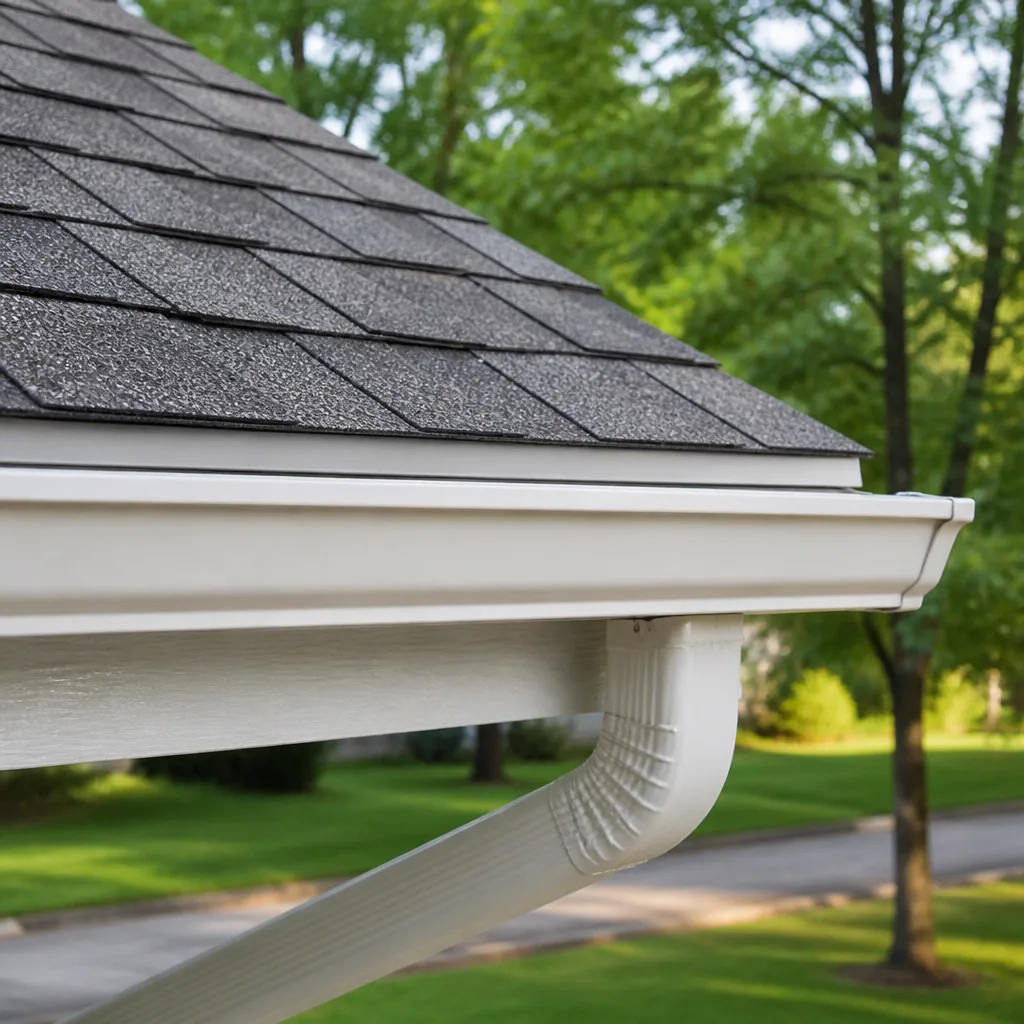
There are real roofing tasks a Redmond homeowner can do safely and at almost no risk of voiding a warranty or tripping a permit requirement. Gutter cleaning tops the list. Clearing debris from gutters and downspouts keeps water moving away from the fascia and out of the wall framing, and it doesn’t touch the roof surface at all if you’re working from a ladder at the eave. Do it before the fall leaf drop really settles in.
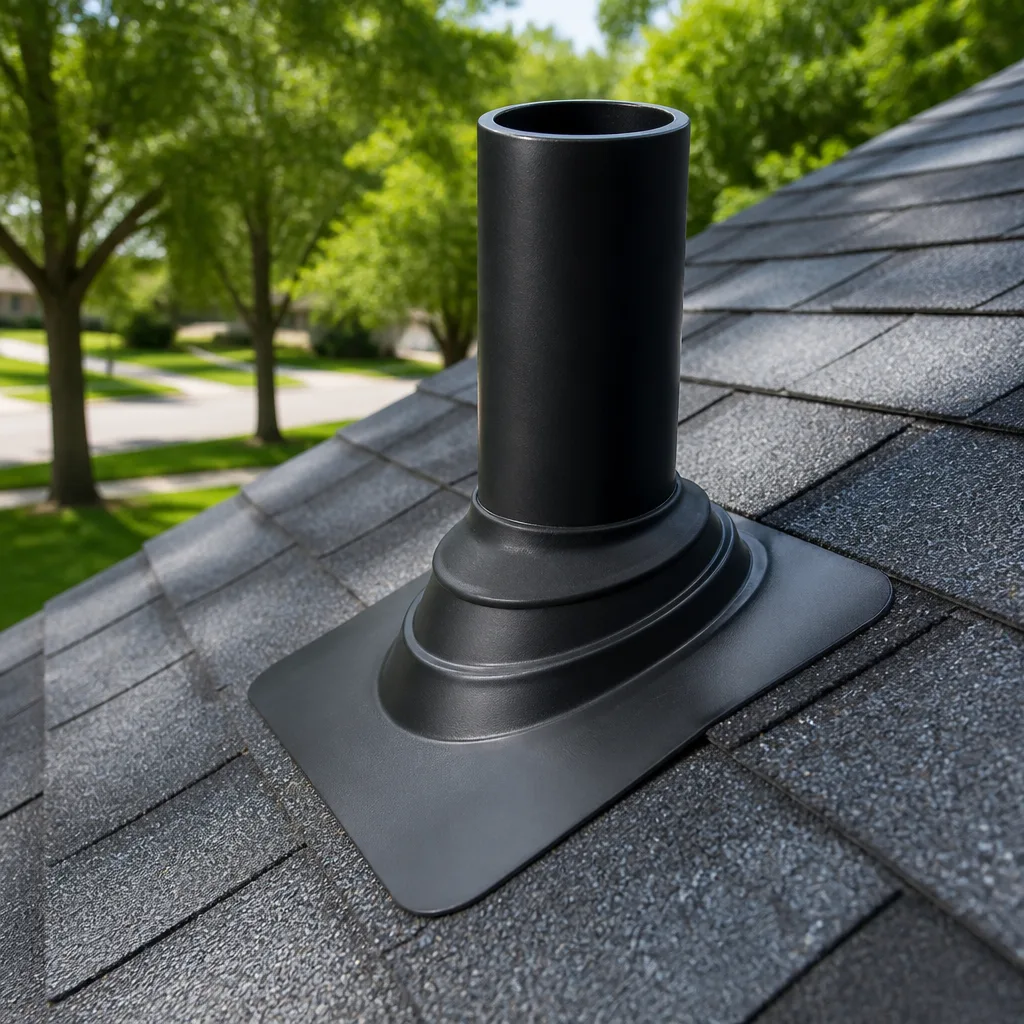
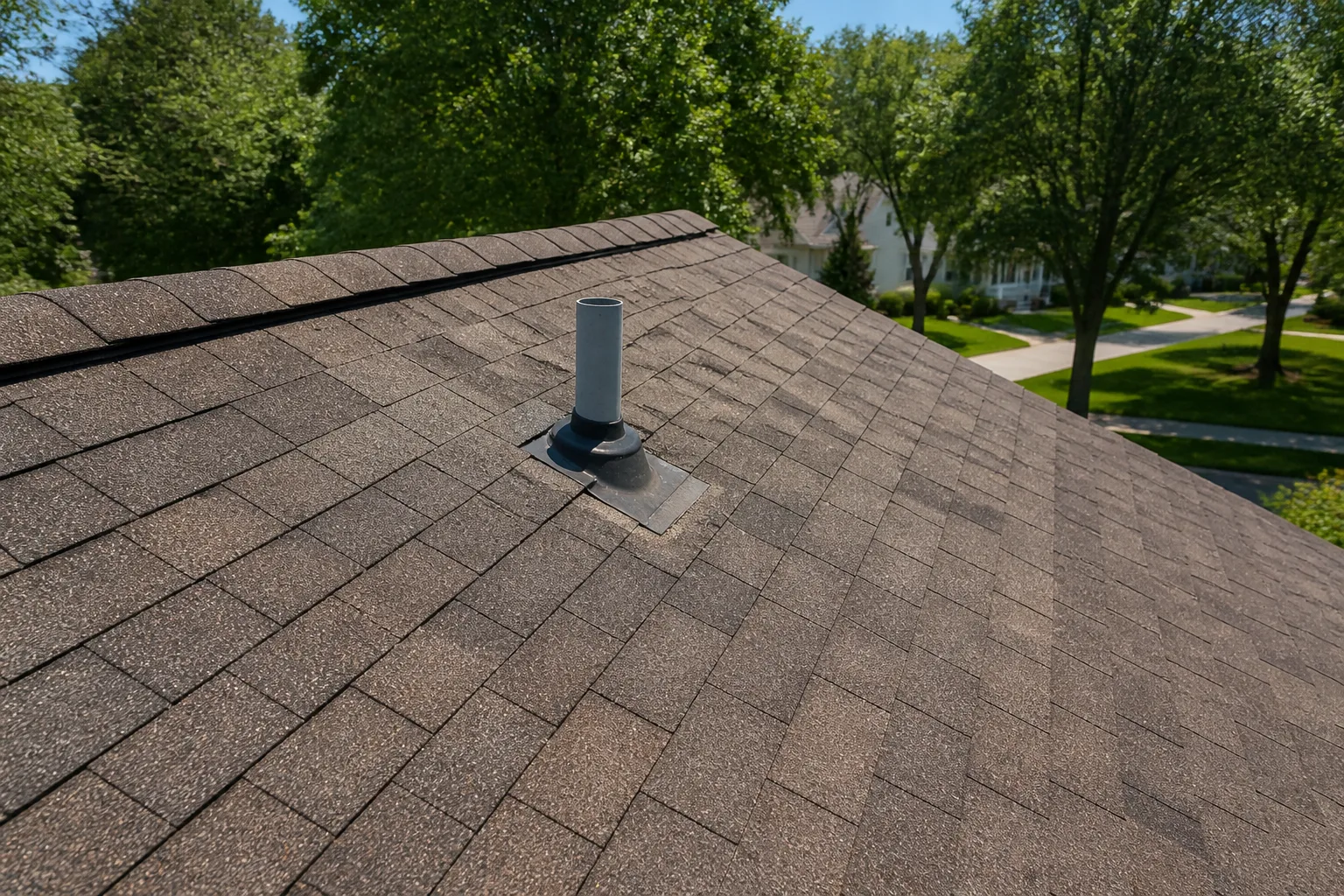
Minor caulking at pipe boots is the second. When a plumbing vent penetrates the roof, there’s a rubber or lead boot around it, and those boots are one of the first things to crack from the sun. A small caulk repair at the top of the boot, done from a ladder and a stable position near the eave, is homeowner-appropriate if you can reach it safely without stepping onto the roof proper.
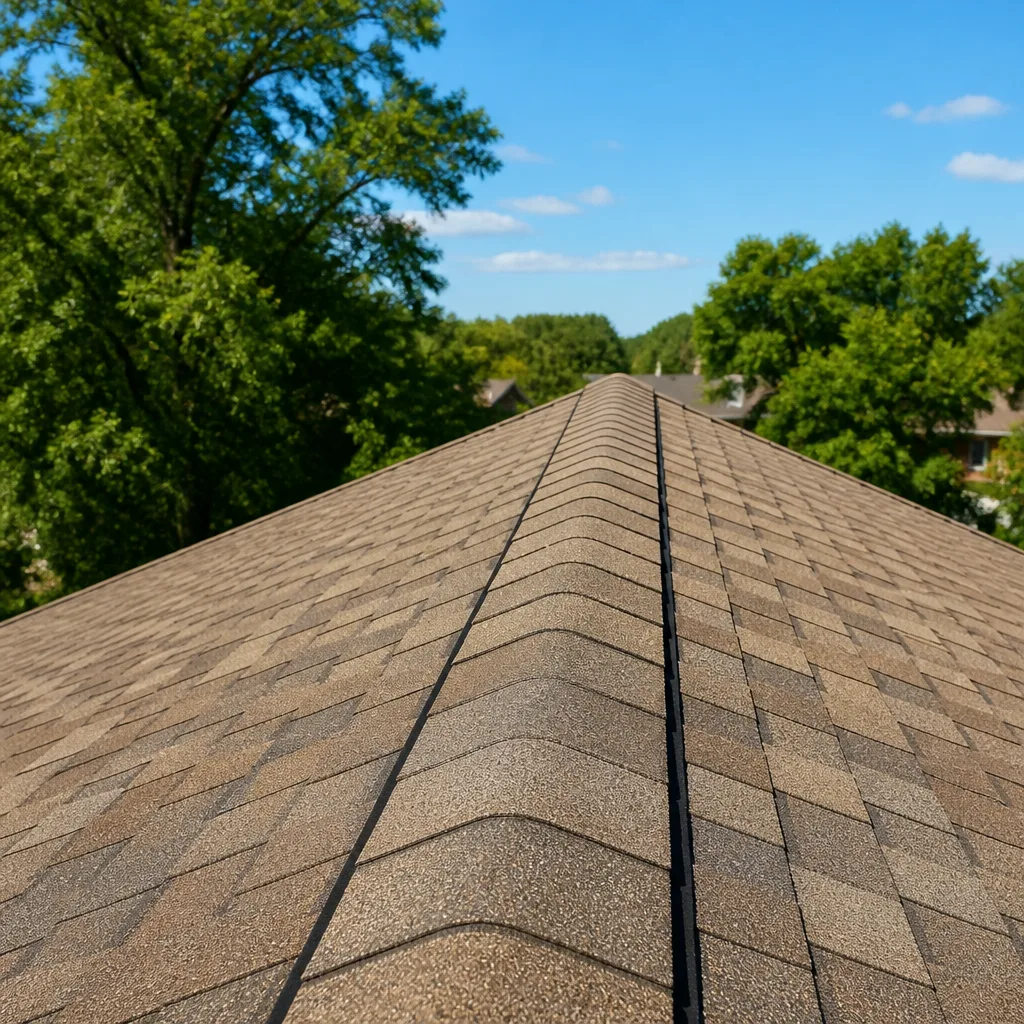
Zinc strip installation for moss prevention is the third. Western Washington’s moss pressure is real, and a zinc strip is a good low-cost defense. Mounting a strip near the ridge, however, requires getting to the ridge, and the ridge is where the fall risk begins. If the strip can be installed from a low slope or with the ridge reachable from a stable platform, it’s reasonable. If it means walking an 8:12 pitch to get there, it usually isn’t.
What falls outside homeowner-appropriate work:
- Any shingle tear-off, including a single slope
- Underlayment replacement
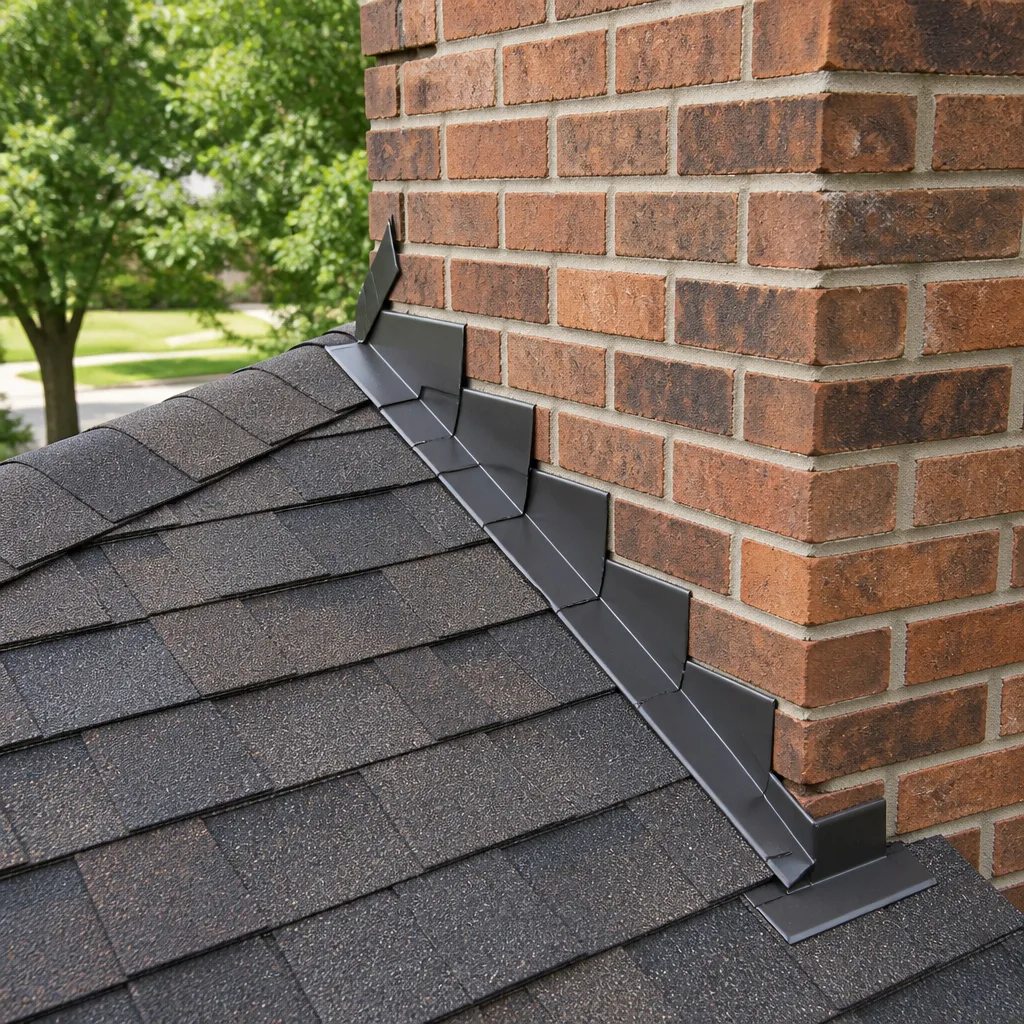
- Valley flashing repair
- Ridge cap work
- Vent pipe replacement beyond caulking
- Anything requiring roofing underlayment or ice-and-water shield
Those are the tasks where the underlayment layer, the flashing details, and the warranty registration all matter, and none of them are forgiving of a first attempt. If you’re weighing roof replacement against a repair, this is the boundary that usually sorts the decision.
Washington Permit Law and What a Homeowner Can Self-Permit
Washington State requires that work performed for compensation in the construction trades be done by a registered contractor. That’s the bright line. If you’re doing work on your own home, you’re generally not acting as a contractor, so the licensing requirement doesn’t apply. But the code and permit requirements still do, and that’s where a lot of DIY roofers in Redmond get surprised.
The relevant local rule is simple to state and easy to miss:
- Most full roof replacements require a building permit from the city of Redmond.
- Permits are typically issued to a property owner or a licensed contractor.
- Structural changes, including certain skylight installations and any work affecting roof framing, trigger additional review.
- Overlay installations (shingles over existing shingles) are restricted or prohibited in many jurisdictions, so verify before you plan one.
- Inspection sign-offs are part of the process; a permit isn’t satisfied by paying the fee.
If you intend to self-permit a smaller scope, call the city’s building department before you buy anything. They’ll tell you what documentation they need and whether your scope triggers review. What a homeowner can usually self-permit without issue: re-caulking, minor flashing repairs above the roofline, and gutter work. What almost always requires the full permit process: a complete tear-off and re-roof. When a project moves into full-scope new roof installation territory, that’s your signal to bring in someone who can pull the permit and hold the inspection sign-off.
Manufacturer Certification and What You Lose on DIY
Here’s the part of the DIY debate most homeowners miss entirely. A premium shingle’s “lifetime” warranty is not automatic. It’s conditional, and two of the biggest conditions are certified installation and registration with the manufacturer. That matters because the material warranty on a full replacement can easily exceed what a homeowner hoped to save on labor.
The brands differ in how strictly they enforce this:
- GAF, CertainTeed, and Owens Corning all offer enhanced or extended warranty tiers that require installation by a contractor credentialed in their program. DIY installation typically drops you to a lower-tier warranty, or to none at all on the enhanced tier.
- Atlas and Tamko have their own installer programs and warranty tiers. The registration requirement isn’t identical across brands, and the details matter.
- Boral makes tile and stone-coated steel systems that are a separate category entirely, with separate installer requirements.
When we work with seven leading manufacturers, the point is that we can match the material to your roof’s needs and walk you through which warranty tier that material qualifies for, not push whichever brand carries the best margin. Manufacturer warranty coverage depends on who installs it. That’s why installer credentials matter more than the shingle’s spec sheet.
Fall Risk on Redmond’s 6:12 Through 10:12 Pitch Roofs
Redmond’s residential stock skews toward 6:12 and 8:12 pitches, with some steeper 10:12 sections on newer construction and certain architectural styles. That range matters because the transition from “walkable with care” to “not safe without full fall protection” happens inside it. OSHA’s residential fall protection standard recognizes that working above a certain pitch requires fall-arrest equipment, not just shoes with grip.
What that means for the DIY calculation:
- 6:12 is walkable with care, but moss, wet shingles, and morning dew make it slippery; most Redmond roofs spend significant parts of the year damp.
- 8:12 is where a homeowner starts needing bracing or a fall-arrest system, and those systems aren’t cheap to rent or rig correctly.
- 10:12 and steeper requires actual fall-arrest equipment, anchor points, and a trained person using them. This is professional territory.
Fall risk is also where a homeowner’s cost savings evaporate fastest. The medical cost of a fall from 8 feet is significant. The cost of the safety gear to do the job correctly on 8:12 and above is hundreds of dollars to rent, plus the time to learn to rig it. Set against the material-only savings on a DIY job, the math rarely holds. We’d rather see a homeowner call in a professional for the ridge and valley work and handle the low-slope reachable maintenance themselves.
A Four-Question Decision Framework
Before you decide whether any roof project is DIY-appropriate on your Redmond home, answer four questions honestly. If the answer to any one of them is “no” or “I’m not sure,” the project belongs with a licensed professional.
- Does the scope require a permit? If it’s a full replacement or covers a significant area of the roof, the answer is almost certainly yes. If so, can you self-permit it and manage the inspection? Most homeowners can’t complete a full replacement scope solo, so permit or not, the answer is professional.
- Does the material’s warranty require certified installation? Check the manufacturer’s warranty documentation before you buy. If the enhanced warranty tier requires a credentialed installer, DIY installation may drop you to a lower tier. For premium GAF, CertainTeed, or Owens Corning products, assume the enhanced tier is out of reach.
- Can you access the work safely? If the roof section is above 8:12, or if the access route is unstable, or if you don’t have and know how to rig fall-arrest equipment, the answer is no.
- Do you have a fallback if something goes wrong? A small flashing repair that goes wrong is a callable problem. A full replacement with an exposed deck before a Redmond rainstorm is not. If you can’t guarantee you’ll finish before weather, or you don’t have a roofer who can step in, don’t start.
If all four answers land the right way, you have a genuinely low-risk DIY project. If two or three don’t, be honest about it. We’ve seen more homeowners regret starting a project than regret calling for an estimate on one.
Material Systems and Why Each Demands Different Skills
One overlooked reason roofing resists DIY: shingle, tile, and metal are three distinct systems, each with its own tools, fasteners, and failure modes. A homeowner who’s replaced shingles before is not automatically equipped for tile or metal, and it’s worth understanding why.
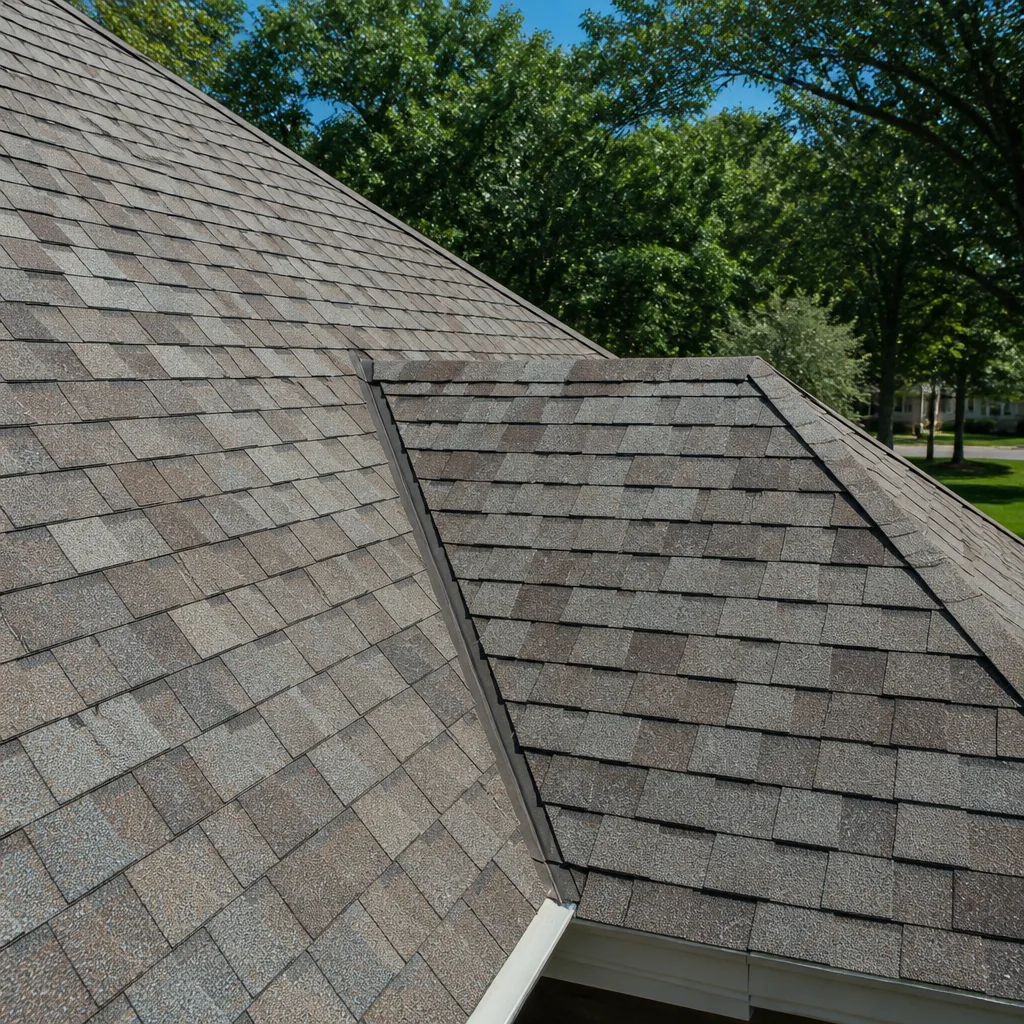
Asphalt shingle is the most common roof in Redmond and the most forgiving of homeowner work, at least in scope. Standard installation uses roofing nails, a self-adhering underlayment, and specific nailing patterns. The failure points are the valleys, the ridge vents, and the step flashing at walls. Those are precisely where an amateur installation tends to fail first.
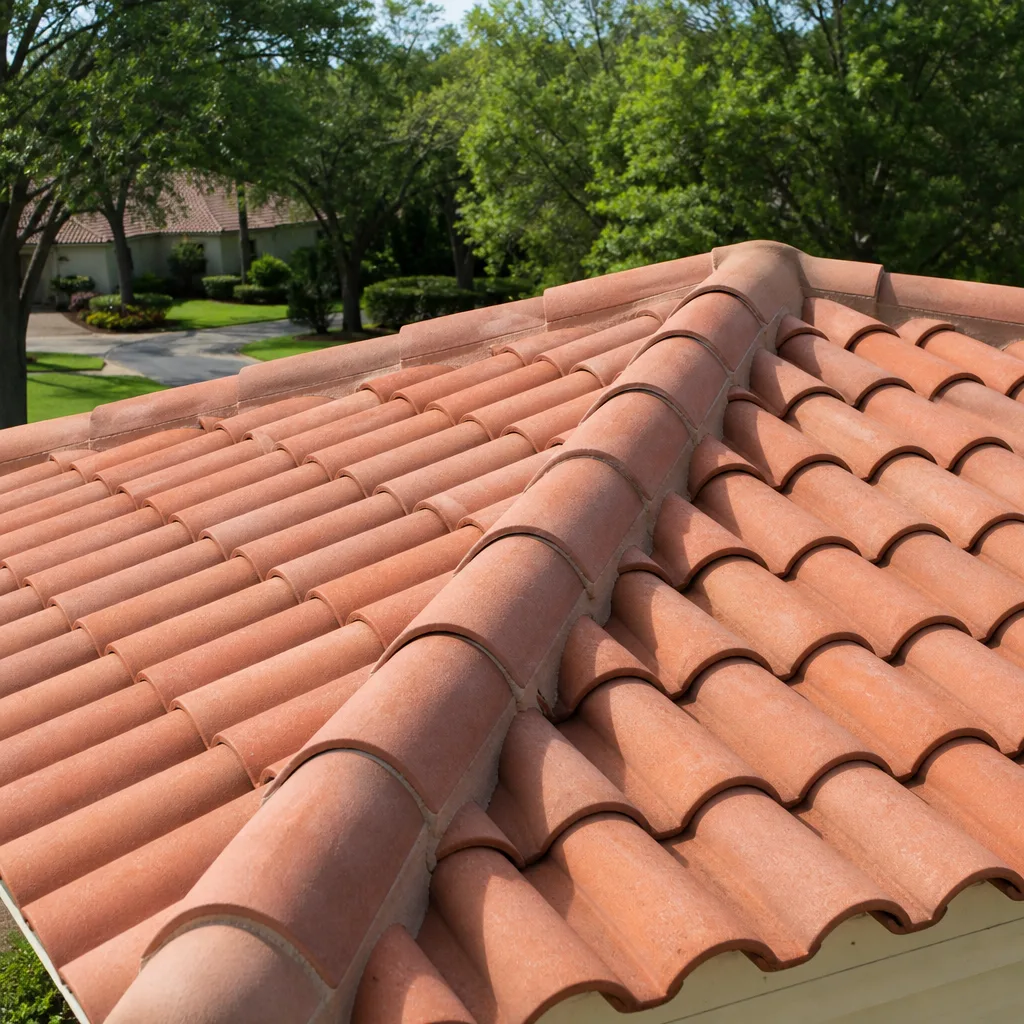
Tile (concrete or clay, including Boral tile systems) is heavier and requires structural capacity and specific fastening. Tile needs a proper batten system, and walking it during installation requires different technique than walking shingle. One broken tile from a careless step is a callable leak.
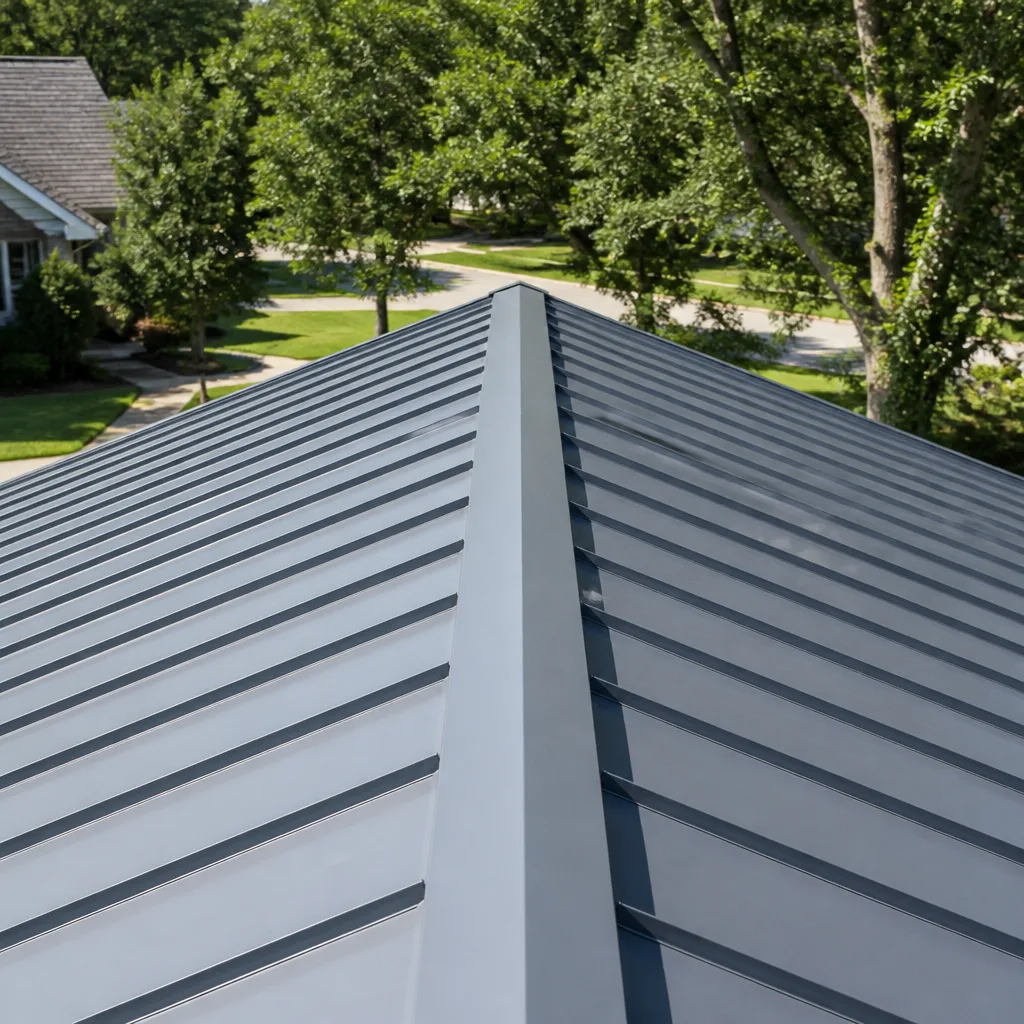
Metal panels and standing seam systems require specific panel profiles, concealed-fastener clips, and expansion allowances for temperature swing. A panel installed tight in the wrong place will buckle the first rain season. Metal is the least forgiving of the three for a first attempt.
Because we install all three systems and access products from GAF, CertainTeed, Owens Corning, IKO, Atlas, Tamko, and Boral, we can tell you which material actually fits your roof’s pitch, exposure, and budget. That’s a different conversation than a single-brand installer can have. If you’re curious about the shingle options specifically, shingle roofing covers the grades and the warranty tiers in more depth.
Common Mistakes to Avoid
- Skipping the permit to save a little money. A permit doesn’t exist for the fee. It exists so the deck structure, the underlayment, and the flashing are inspected. Skipping it can create a resale complication that costs more than the permit did.
- Assuming a “lifetime warranty” covers your DIY work. Manufacturer material warranties almost always require certified installation to trigger the enhanced tier. Check the warranty document before you buy materials.
- Overlaying shingles instead of tearing off. Overlay is restricted or prohibited in many jurisdictions, and Redmond is no exception. It also hides deck rot you’d want to see.
- Underestimating Redmond’s moss and moisture pressure. Skipping moss-prevention strips or ignoring eave rot is a common DIY shortcut. Western Washington’s rain and shade mean moss returns fast without a zinc strip or regular cleaning.
- Working a wet 8:12 pitch. Shingles are slick when wet, and Redmond roofs spend much of the year damp. Wait for dry conditions, and consider that if you’re waiting weeks for a dry day, the project is probably not a DIY project.
- Not leaving a fallback if weather turns. If a rainstorm arrives before you’ve completed the underlayment, you’ve got a leak you didn’t have before. A licensed roofer plans around weather; a DIYer often doesn’t.
- Mixing shingle brands on a single roof. Blending shingles from different manufacturers can affect warranty coverage. If you’re hiring for even part of the job, keep the whole job on one specified system.
See the difference
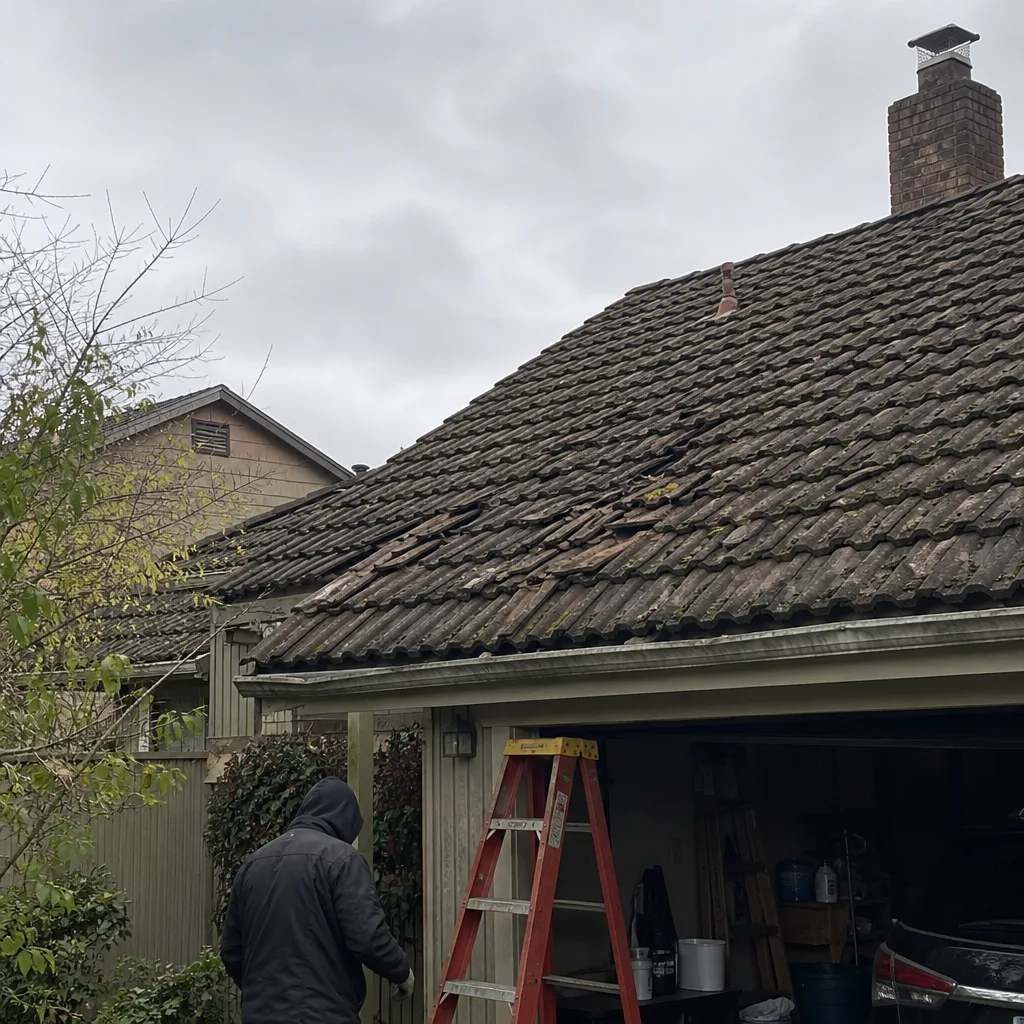 Before
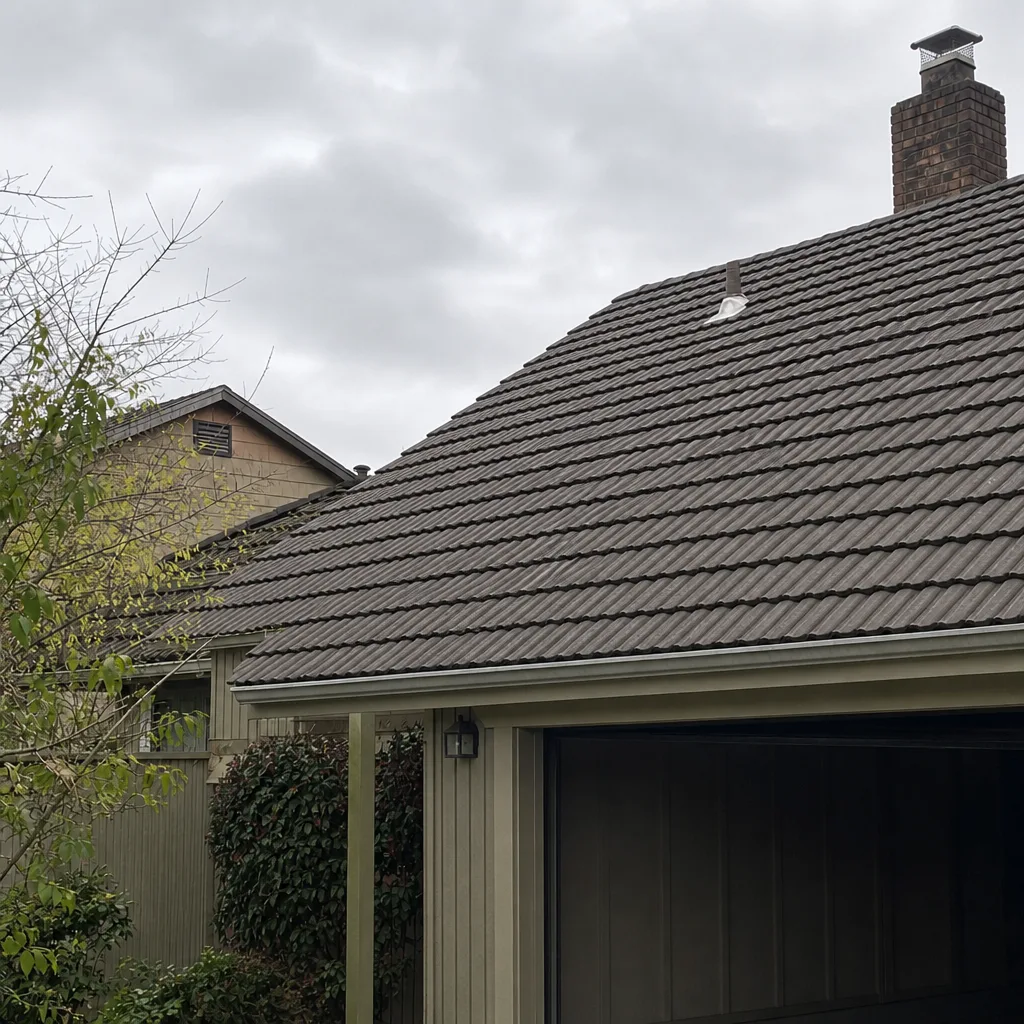 After
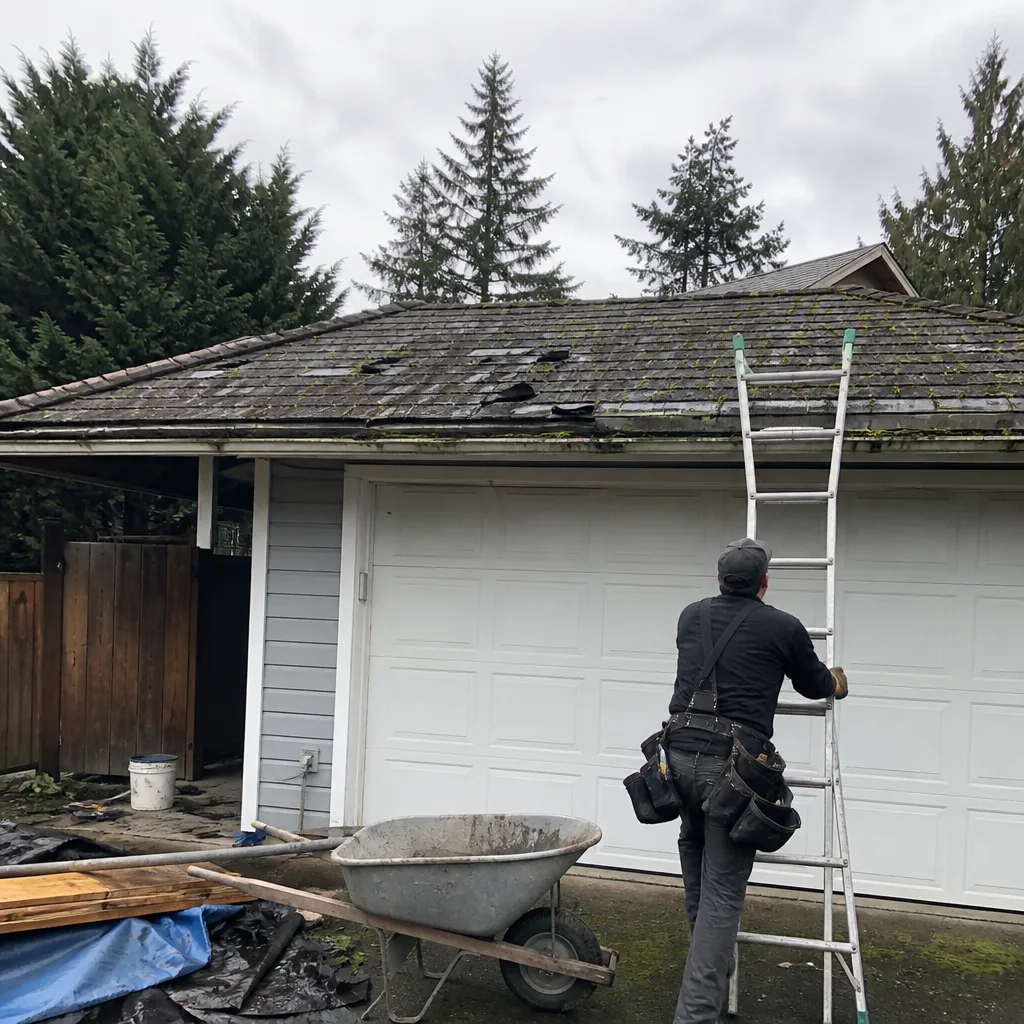 Before
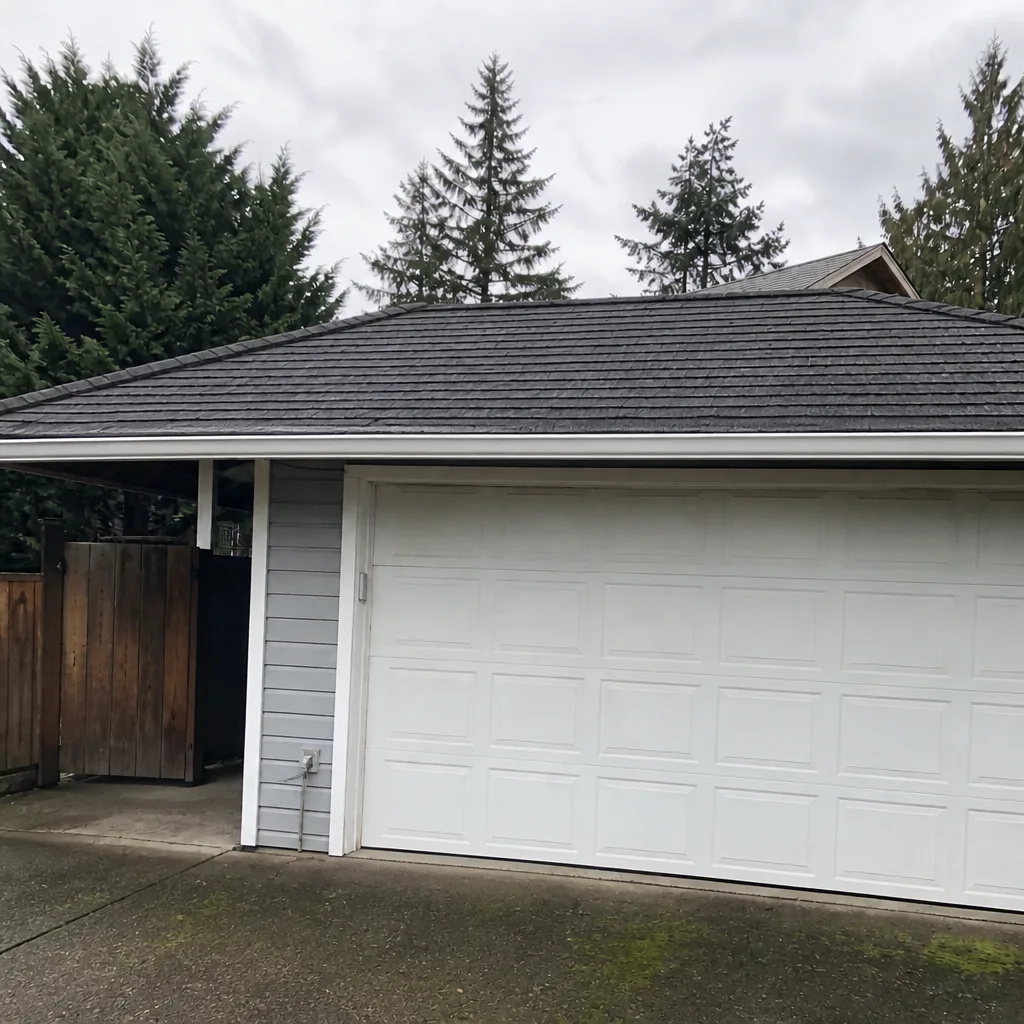 After
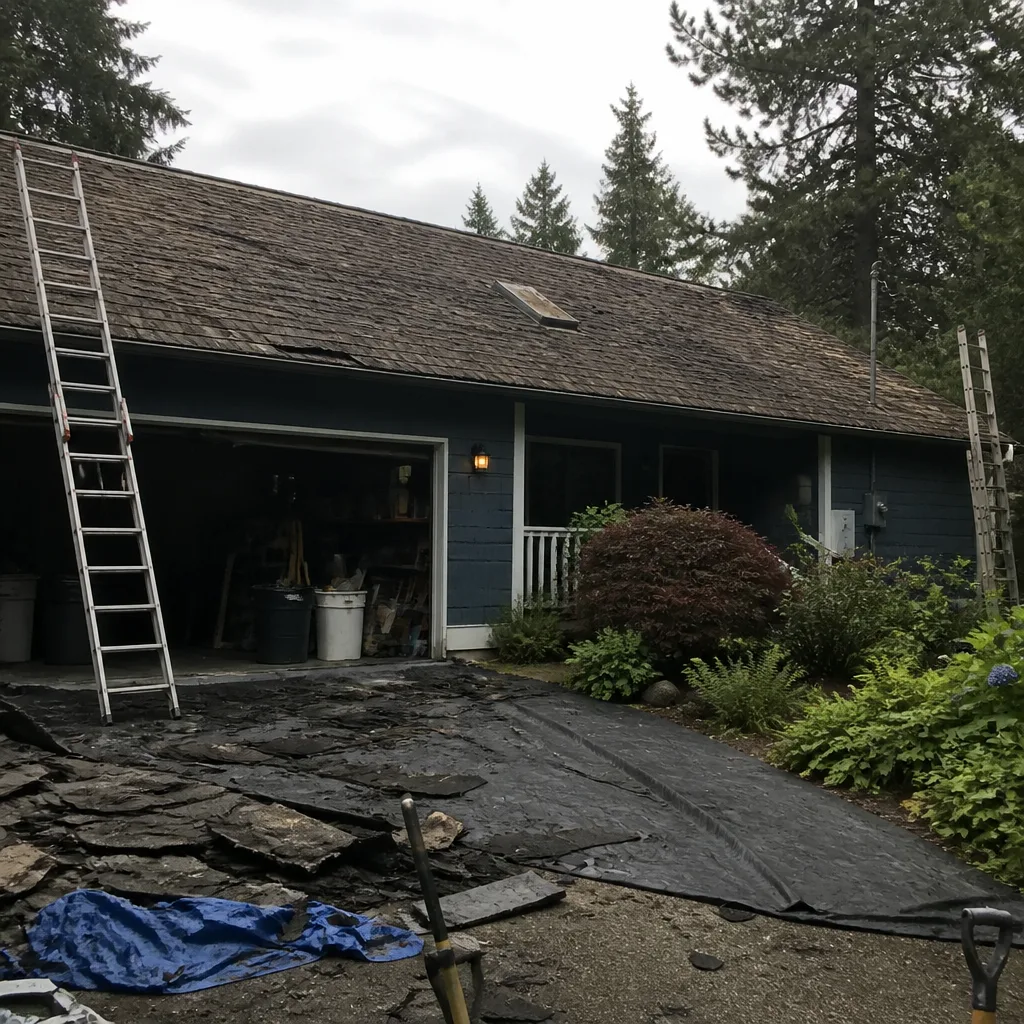 Before
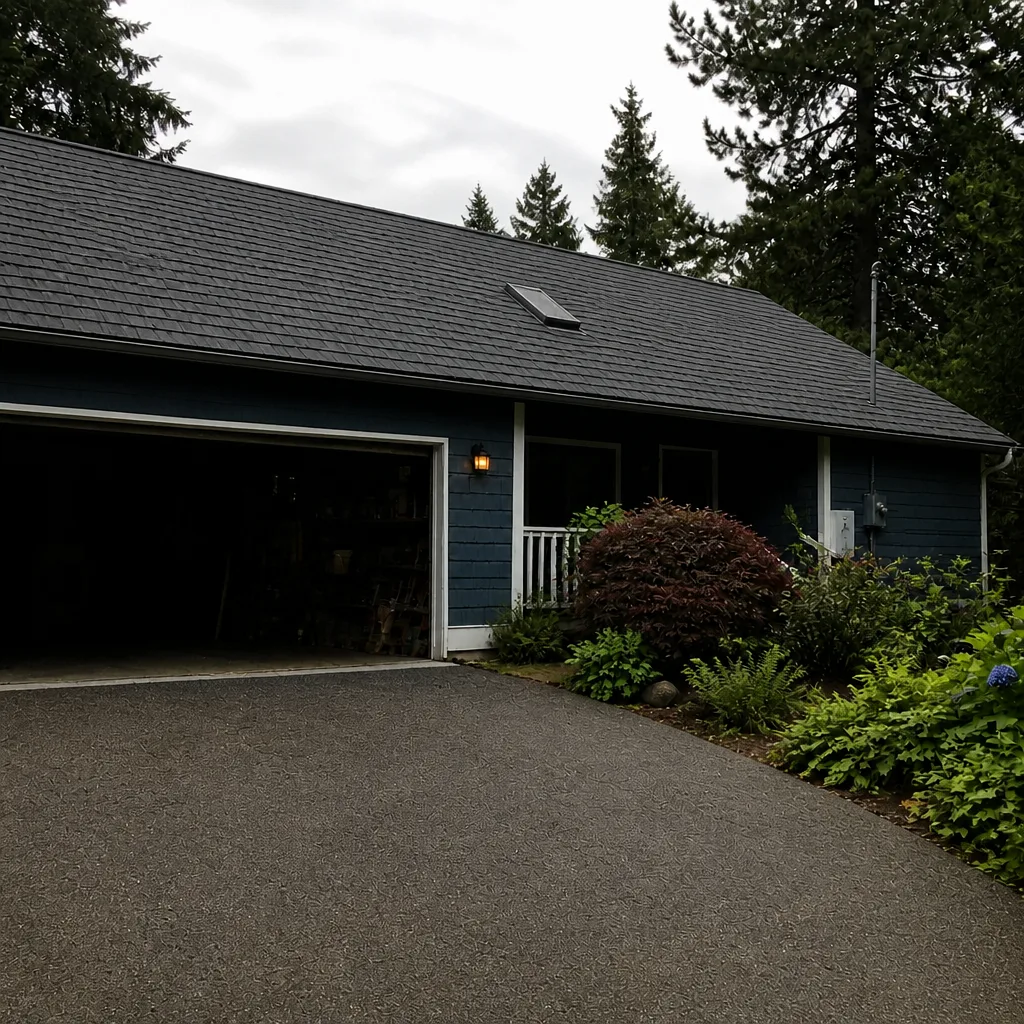 After
When to Call a Professional
Call a professional when the project involves any of the following: a full replacement, a large area of new roof, any roof section above 8:12 pitch, any material other than standard asphalt shingle, any warranty registration requirement, or anything you can’t safely finish before the weather turns. Also call if the roof has visible sagging, if the deck feels soft underfoot, or if a leak has appeared in the same spot more than once. Those are signs of a problem that goes below the shingles, and a shingle replacement on top of a structural problem is a wasted spend. We install shingle, tile, and metal systems and can walk you through the trade-offs of each without pushing one brand over another. Redmond Roofing Pros offers free estimates in Redmond. Call (425) 696-5053. We answer 24/7. Fast dispatch from 7am to 7pm, Sunday through Friday.
Frequently Asked Questions
No. Most full roof replacements in Redmond require a building permit from the city, and a permit isn’t optional. It exists so the work is inspected at key stages, including the deck and underlayment. Call the city’s building department before buying materials. If you’re hiring out any part of the job, the contractor pulls the permit. Call (425) 696-5053 for a free estimate if you want to compare the numbers before deciding.
Often, yes, at least for the enhanced warranty tiers. GAF, CertainTeed, and Owens Corning offer premium warranty coverage that requires certified-installer registration. DIY installation typically drops you to a lower tier or void of the enhanced coverage. Check the specific warranty document for the material you’re considering. The material cost of a full replacement is usually the smaller part of the bill anyway. Call (425) 696-5053 for an exact quote, estimates are free.
Gutter cleaning, minor caulking at pipe boots, and zinc strip installation are the three tasks that fit homeownership comfortably. All three are low-rise, don’t touch the roof surface significantly, and don’t trigger warranty or permit issues. Anything involving shingle tear-off, underlayment, valley or ridge work is beyond safe homeowner labor. If you’re unsure which side of that line your project falls on, call (425) 696-5053 for a free estimate.
A 6:12 pitch is walkable with care in dry conditions but is slippery when damp, and Redmond roofs spend much of the year damp. An 8:12 pitch needs bracing or fall-arrest equipment for safe access. A 10:12 or steeper roof requires full fall-arrest gear and trained use. If you can’t reach the area safely without stepping onto the roof proper, treat the task as a professional job. Call (425) 696-5053 to schedule a free assessment.
The biggest cost risk isn’t the labor; it’s the warranty. A premium shingle’s enhanced warranty can cover material replacement on a large portion of the roof. Losing that coverage because the installation wasn’t certified can exceed the labor savings on the whole job. The permit and the inspection sign-off compound the risk. Call (425) 696-5053 for an exact quote, estimates are free.
We install all three: shingle, tile, and metal systems. Each requires different tools, fasteners, and installation technique, which is why we don’t push every homeowner toward the same material. We work with GAF, CertainTeed, Owens Corning, IKO, Atlas, Tamko, and Boral, so the recommendation fits your roof, not whichever brand we happen to stock. Call (425) 696-5053 for a free estimate, or if you’re evaluating full Redmond Roofing Pros service as part of a larger comparison.
The Bottom Line
DIY-versus-professional roofing in Redmond is a permit-and-warranty decision more than a cost decision. The homeowner-side tasks that genuinely work are gutter cleaning, minor pipe boot caulking, and zinc strip installation. The tasks that don’t work are full replacement, new installs, anything above 8:12 pitch, and anything that requires the enhanced manufacturer warranty to stay valid. If you’re unsure which side of the line your project lands on, the four-question framework in this guide will sort it in about five minutes. Cost savings from DIY labor are almost always smaller than the warranty coverage at risk. That’s the trade to weigh honestly.
Our technicians have up to 8 years of experience installing shingle, tile, and metal systems and can tell you which material your roof can carry and which warranty tier it qualifies for. Call (425) 696-5053 for a free estimate. We answer 24/7. Fast dispatch from 7am to 7pm, Sunday through Friday.
Written by the team at Redmond Roofing Pros.