Last updated November 25, 2026
Free roof inspection with deck photos before we talk money - GAF and Owens Corning certified installation
How to Hire a Roofing Contractor in Redmond: A Step-by-Step Guide
When three Redmond homeowners get three roofing quotes and pick the lowest one, they often don’t realize they’ve approved 15-pound felt underlayment instead of synthetic, ring-shank nails on 6-inch centers instead of 4, and step flashing re-use instead of replacement. The contract said “full replacement.” It just didn’t say which grade. That gap between what a bid promises and what a bid actually specifies is where most roofing budgets quietly go sideways. The usual advice to “get three quotes and compare” fails because it compares prices, not scopes, and two roofers pricing different materials were never bidding the same job. This guide walks you through building a scope-locked bid process, verifying a Washington contractor’s record, spotting storm-chasing crews, and reading a roofing contract line by line. By the end you’ll know how to hire in Redmond with your eyes open.
Quick Answer
To hire a roofing contractor in Redmond, verify the contractor’s Washington State registration through the L&I database, write a scope-lock document that fixes every material and installation detail before you solicit bids, and require each bidder to price that exact scope. Then compare bids line by line, confirm permit responsibility and manufacturer warranty registration in writing, and only sign a contract that spells out disposal, ventilation, and workmanship terms. Price comparison without scope comparison is how homeowners end up paying for a roof they didn’t intend to buy.
Styles & brands we work with
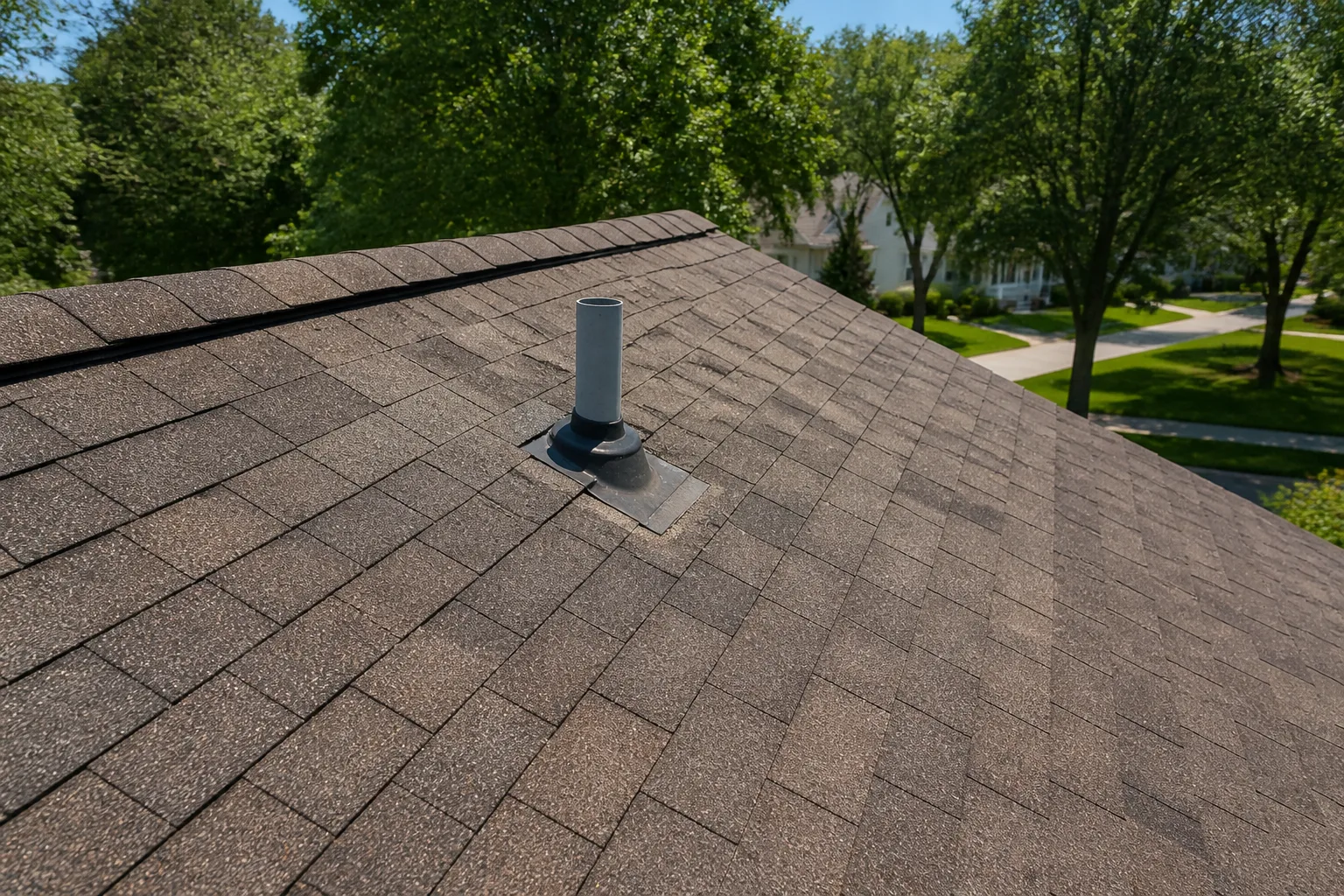
- Architectural shingles
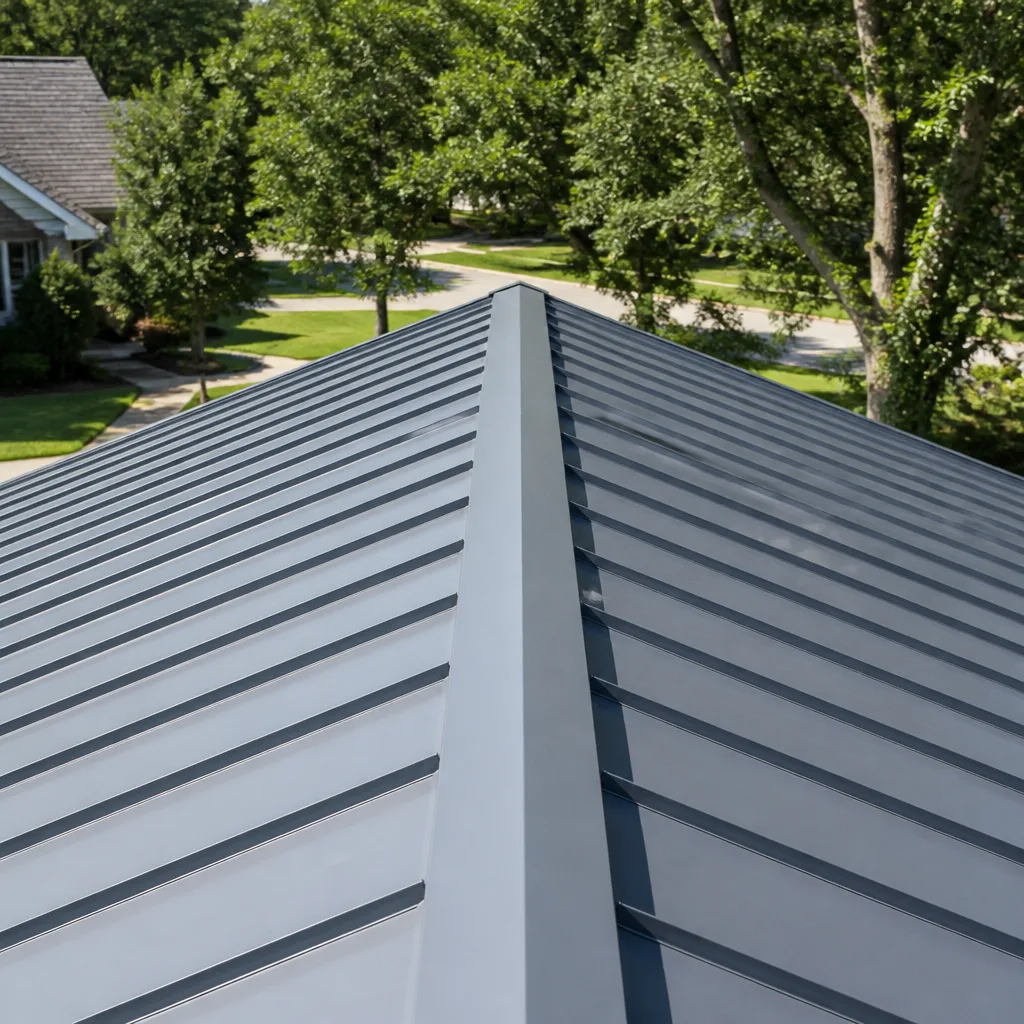
- Metal roofing
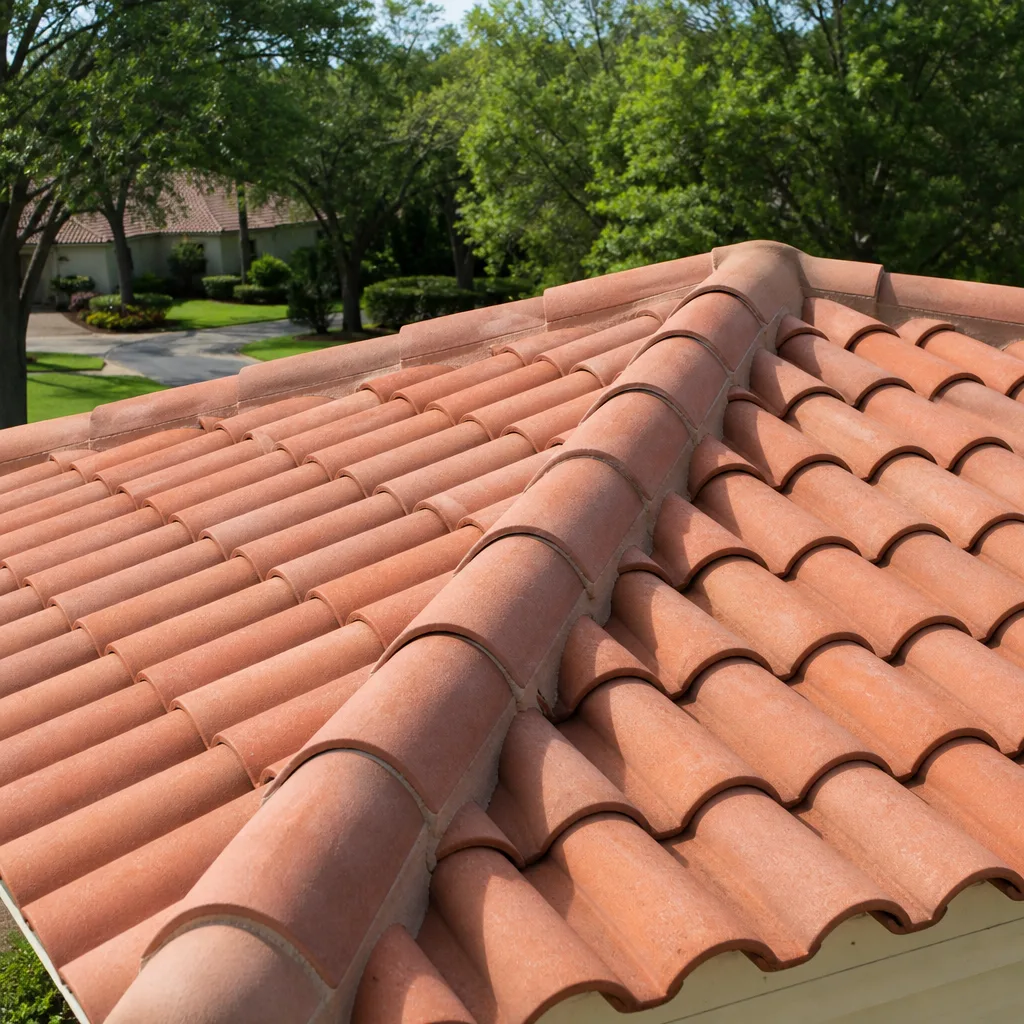
- Tile roofing
- GAF
- Owens Corning
- Flat & low-slope
Table of Contents
- Why the Standard “Three Quotes” Advice Fails in Redmond
- How to Write a Scope-Lock Document Before You Solicit Bids
- How to Verify a Roofing Contractor’s License in Washington
- How to Tell If a Contractor Is Material-Agnostic or Inventory-Driven
- How to Spot Storm-Chasing Crews in Redmond
- How to Read a Roofing Contract Line by Line
- Questions That Reveal a Contractor’s Real Depth
- What Redmond’s Climate and Code Require of Your Roof
Why the Standard “Three Quotes” Advice Fails in Redmond
Three quotes only help if all three contractors are pricing the same roof. In practice, they aren’t. One bidder budgets synthetic underlayment with a fully adhered ice-and-water membrane at the eaves; another quietly substitutes 15-pound felt and a single layer of step flashing at the wall transitions, and the summary line still reads “complete tear-off and replacement.” The homeowner sees three numbers and assumes they describe three versions of the same work. They don’t.
The problem isn’t dishonesty, at least not always. Roofing bids vary because contractors build proposals around different assumptions, different material lines they’re most familiar with, and different levels of detail. A roofer who installs one manufacturer’s system day in and day out will write that system into every bid. A roofer who works across several brands has more reason to itemize, because the choice was never predetermined.
Redmond’s housing stock makes this worse. The city has everything from mid-century homes near downtown to newer construction in the Education Hill and Overlake areas, and each roof profile has different flashing, ventilation, and underlayment needs. A generic bid that doesn’t account for the specific roof assembly on your house is a bid that leaves the details to whoever shows up on install day.
What actually protects you is scope comparison. The rest of this guide is about building that scope, then forcing every bidder to price against it.
How to Write a Scope-Lock Document Before You Solicit Bids
A scope-lock document is a written specification of every material and installation detail you want priced, circulated to every bidder before they quote. It turns “three quotes” into “three bids on the same job,” which is the only comparison that means anything. You don’t need to be a roofer to write one; you need a checklist and the willingness to hold every contractor to it.
Here’s the process, step by step:
- Define the tear-off. State that the existing roof covering will be fully removed to the deck, not layered over. Specify whether the deck will be inspected and what happens if rotten sheathing is found (per-sheet replacement price, agreed in advance).
- Fix the underlayment grade. Name the product class: synthetic underlayment rather than 15-pound felt, and an ice-and-water membrane at eaves and in valleys. 15-pound felt is a legitimate budget material, but it isn’t the same job as synthetic, and the bid should say which you’re getting.
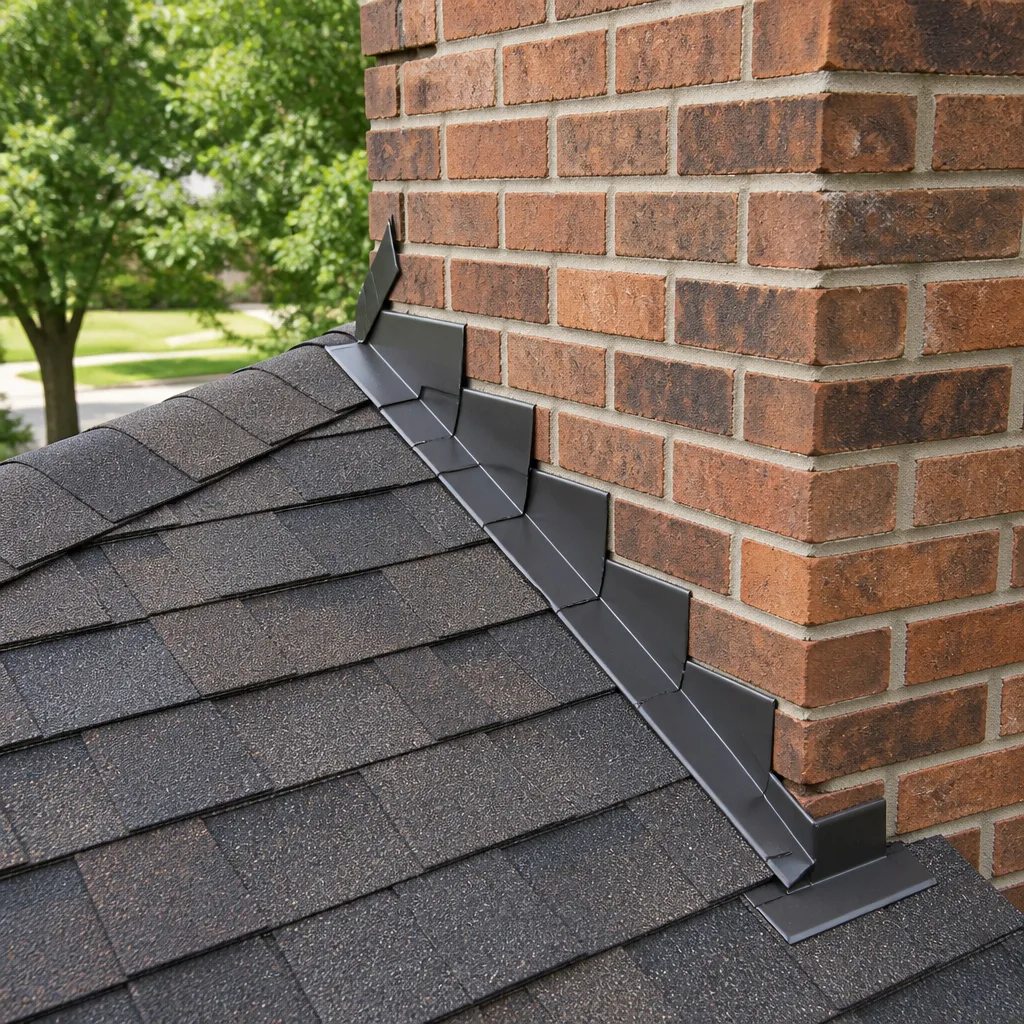
- Specify the flashing standard. State that step flashing at walls and chimneys is replaced, not re-used, and name the material (typically metal). Re-used step flashing is one of the most common corners cut on a Redmond re-roof.
- Set the fastening spec. Specify ring-shank nails and the nailing pattern for the shingle grade you’re pricing. Fastener type and spacing are installation choices the bidder controls, so the bid should name them.
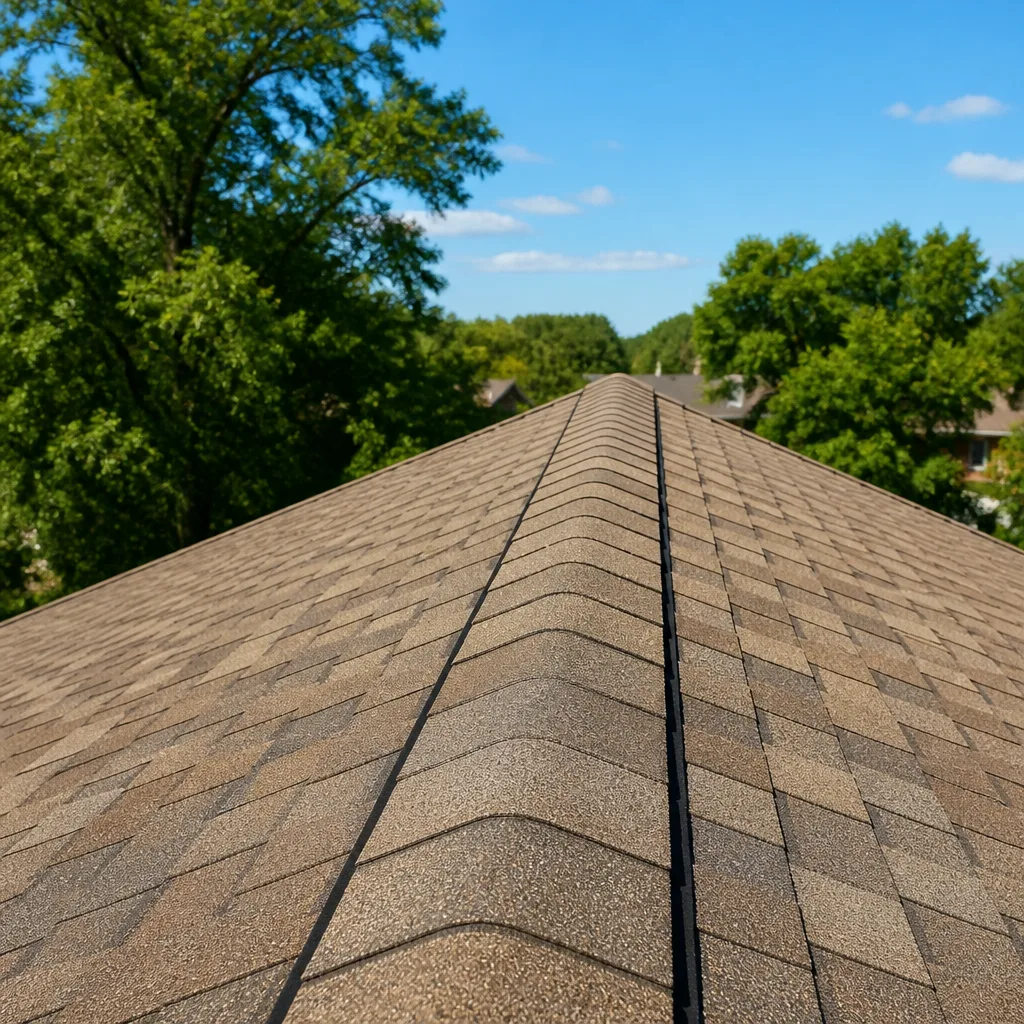
- Lock the ventilation. Specify ridge vent and intake vent quantities tied to the roof area. Ventilation is a system, and a bid that leaves it vague usually under-ventilates.
- Name the material category and grade. Asphalt shingle, tile, or metal, and within that, the specific product line and warranty tier. This is where brand-neutrality matters; see the section on inventory-driven contractors below.
- Assign permit responsibility. State that the contractor pulls the permit and that the bid includes the permit cost. Ask each bidder to confirm this in writing.
- Require the warranty terms in the bid. Manufacturer warranty tier and workmanship warranty length, both stated explicitly.
Circulate that document with your bid request. A contractor who pushes back on the detail is telling you something useful. The ones who itemize against it are the ones worth comparing.
How to Verify a Roofing Contractor’s License in Washington
Washington requires roofing contractors to register with the state Department of Labor & Industries, carry a bond and insurance, and list a qualifying person. The L&I database is public, free, and tells you more than the contractor’s marketing does. Before you take a single bid seriously, spend ten minutes there.
Here’s what to check, and what each check means:
- Registration status. Confirm the company is actively registered, not suspended or expired. A lapsed registration means the bond and insurance protections aren’t in force, which is exactly when you need them.
- Bond and insurance on file. The database lists the bond and liability coverage the contractor has posted. This is your recourse if the work goes wrong or the contractor walks.
- Claim and complaint history. L&I records show claims filed against a contractor’s bond and any enforcement actions. A clean record isn’t a guarantee, but a pattern of claims is a hard warning sign.
- The qualifying person. Washington requires a named individual responsible for the work. Confirm the person your contractor names as the qualifying individual is actually the one whose name is on the registration.
- Verify the numbers match. Compare the registration number on the contractor’s bid, vehicle signage, and website. A mismatch is a red flag worth a phone call to L&I.
This is also the moment to ask any contractor directly: “Are you registered with L&I, and what’s your registration number?” A contractor with nothing to hide hands it over without hesitation. For more on the systems a qualified contractor installs, see our guide to roof replacement in Redmond.
How to Tell If a Contractor Is Material-Agnostic or Inventory-Driven
A material-agnostic contractor recommends the roof your home needs, regardless of which manufacturer’s product it is. An inventory-driven contractor recommends what they stock, what they’ve installed a hundred times, or what carries the best dealer incentive. Both will tell you they’re giving you the best option. The questions you ask reveal which is which.
Try these:
- “If budget weren’t a constraint, what would you put on this roof, and why?” A material-agnostic contractor will talk about roof slope, exposure, and the assembly. An inventory-driven one will name a product immediately and work backward.
- “Which manufacturers do you install, and what’s the difference between their systems?” A contractor aligned with multiple brands can compare them. One aligned with a single brand will steer every conversation back to it. We work with seven leading manufacturers, including GAF, CertainTeed, and Owens Corning, precisely so the recommendation follows the home, not the inventory.
- “Can you show me a tile or metal roof you’ve installed, not just shingle?” Shingle, tile, and metal are three different trades with different tools, skills, and failure modes. A contractor who installs all three can explain the trade-offs honestly. One who only installs shingle will talk you out of tile for reasons that have more to do with their tools than your roof.
- “Which warranty tiers do you qualify for, and what do they require?” Top-tier manufacturer warranties from brands like GAF, CertainTeed, and Owens Corning are only available through credentialed installers. Ask which tier your bid is eligible for and what the installer had to do to earn that eligibility.
- “Have you ever talked a homeowner out of a material you install?” The answer tells you whether the contractor ever puts the roof ahead of the sale.
Material-agnosticism isn’t a philosophical nicety. It’s the thing that lets a contractor match underlayment, flashing, and ventilation spec to the actual roof rather than to a fixed product line. That matters for how long the roof lasts.
How to Spot Storm-Chasing Crews in Redmond
After a wind event knocks branches onto roofs around Redmond, out-of-area crews arrive with door hangers and aggressive pitches, offer to handle your insurance claim, and are gone before the first warranty issue surfaces. Washington’s L&I registration requirement is one of your best defenses, because a legitimate contractor is registered and traceable. Storm chasers rarely are, or they’re registered under a name that doesn’t match their signage.
Watch for these signals:
- They arrived unsolicited and are pushing a deadline. A contractor who needs a signature today to “lock in the price” is selling urgency, not roofing.
- They offer to handle or “maximize” your insurance claim. Insurance decisions are yours to make with your adjuster. A contractor who wants to negotiate your claim for you is a liability.
- No verifiable local registration. Check the L&I number against the name on the contract. If they can’t produce it, walk away.
- No physical address you can visit, and no way to reach them once the crew leaves. Warranty work requires someone to call. Storm chasers often can’t be found.
- They quote a full replacement without ever getting on the roof or into the attic. A real assessment includes the deck, the attic ventilation, and the flashing details. A drive-by quote is a guess.
Hail is uncommon in Redmond, so be skeptical of any pitch that leans hard on hail damage. Wind, falling limbs, and moss are the real local drivers, and a contractor who knows Redmond knows the difference. Our Redmond Roofing Pros team focuses on permanent replacement rather than quick-patch work, which is the standard to hold any bidder to.
How to Read a Roofing Contract Line by Line
A roofing contract is where a bid either survives or quietly changes. Read it against your scope-lock document, line by line, before you sign. These are the clauses that matter most:
- Disposal. Confirm the contractor hauls away the old roofing and the fee is included. Dumpster and disposal costs vary, and an “excluded” line here becomes a change order later.
- Permit responsibility. The contract should state that the contractor pulls the permit and inspects the work. If it says the homeowner is responsible for permitting, that’s a red flag.
- Manufacturer registration. Top-tier manufacturer warranties typically require the installer to register the roof with the manufacturer at completion. The contract should obligate the contractor to do that and give you the registration paperwork.
- Workmanship warranty language. Confirm the length and what it covers: labor, materials, or both. A workmanship warranty that only covers the shingles you can already see is a short warranty.
- Change-order terms. Confirm the per-sheet price for decking replacement, so a mid-job find doesn’t become an open negotiation. Redmond’s wet winters mean some roofs have soft sheathing under the old covering; knowing the price in advance protects you.
- Payment schedule. Be wary of large deposits up front. A reasonable schedule ties payments to progress and completion.
- Scope of the assembly. The contract should name the underlayment, flashing, and ventilation specs from your scope-lock document. If the contract just says “full replacement,” you’re back where you started.
When the contract reads cleanly against your scope, you’ve done the hard part. For a closer look at how installation decisions translate to the finished roof, our guide to shingle roofing covers the assembly in more detail.
Questions That Reveal a Contractor’s Real Depth
You’ve verified the registration and locked the scope. Now use the conversation itself to separate the contractors who know roofing from the ones who sell it. The best questions are specific enough that a shallow answer is obvious.
Ask these:
- “Walk me through the ventilation on this roof. How many intake and exhaust vents does it need, and why?” Ventilation is where a lot of roofs fail early. A contractor who can’t explain the balance is a contractor who installs to habit.
- “Which warranty tier does my bid qualify for, and what does the manufacturer require from you to offer it?” Answer should include the installer credential requirement, not just a warranty length.
- “What’s your process if you find rotten decking after tear-off?” You want a defined per-sheet price and a documented communication step, not a shrug.
- “Have you installed a tile or metal roof in the last year? Can you describe the difference in the assembly?” This is how you find out whether the contractor actually installs all three material families or briefly handled one on a job.
- “Who pulls the permit, and who gets the final inspection?” The answer should be the contractor, in writing, in the contract.
- “What’s the workmanship warranty, and who honors it if something goes wrong?” You want a name and a phone number behind that warranty.
A contractor worth hiring answers these directly, without steering the conversation back to price. If a contractor gets defensive or vague on ventilation and flashing, that’s the answer.
What Redmond’s Climate and Code Require of Your Roof
Redmond’s climate shapes the roof in ways a generic bid won’t account for. The area sees significant winter rain, cool damp stretches, and enough overhead tree canopy that moss and organic debris are a real maintenance factor. Those conditions raise the importance of two specs in particular: underlayment quality and drainage details.
Here’s what to lock in for a Redmond roof:
- Ice-and-water membrane at eaves and in valleys. Western Washington’s wet winters make an added membrane layer worth specifying. It’s a small percentage of the total and a significant part of the roof’s water protection.
- Synthetic underlayment. Wet roofs sit under water for weeks at a time through fall and winter. Synthetic underlayment handles that better than 15-pound felt.
- Ventilation that matches the attic. Cool, damp air plus poor ventilation is a recipe for condensation and eventual deck rot. Specify intake and exhaust quantities tied to the roof area.
- Permit and inspection. Most cities in the area require a permit for a full re-roof, so ask the contractor how they handle permitting for your address and confirm it’s in the bid. Washington code and local amendments change, so rely on your bidder’s current knowledge of the local building department and ask for it in writing.
- Material choice tied to the roof. Shingle, tile, and metal all perform in this climate if the assembly is right. The choice should follow the roof slope, exposure, and your budget, not a contractor’s product line. Our guide to new roof installation goes deeper on the assembly.
Redmond’s tree canopy and wet winters mean the roof you choose should be designed for both. That’s where a scope-lock document does its best work.
Common Mistakes to Avoid
- Comparing quotes without comparing scopes. Three numbers for three different underlayment and flashing specs are not a price comparison. They’re a false one, and the lowest usually wins for the wrong reason.
- Skipping the L&I check. A contractor’s registration status, bond, and claim history are public and take minutes to verify. Skipping that step means signing up for protection you haven’t confirmed exists.
- Letting a bidder choose the material without asking why. If the contractor installs one brand, the brand leads the conversation. Ask which manufacturers they work with and what the differences are before you agree on a material.
- Signing a “full replacement” contract with no assembly details. Full replacement means little if the contract doesn’t specify underlayment grade, flashing replacement, and ventilation. The details are the roof.
- Ignoring the permit line. A bid that doesn’t include the permit and inspection has handed responsibility back to you, along with a job the local building department hasn’t verified.
- Treating a big deposit as normal. A large up-front payment with no progress milestones exposes you to a contractor who can’t finish. A reasonable payment schedule is a sign of a contractor with working capital and a track record.
- Assuming storm damage is hail damage. Hail is uncommon in Redmond. Wind, falling limbs, and moss are the real drivers. A contractor who leans on hail is selling a script, not an assessment.
See the difference
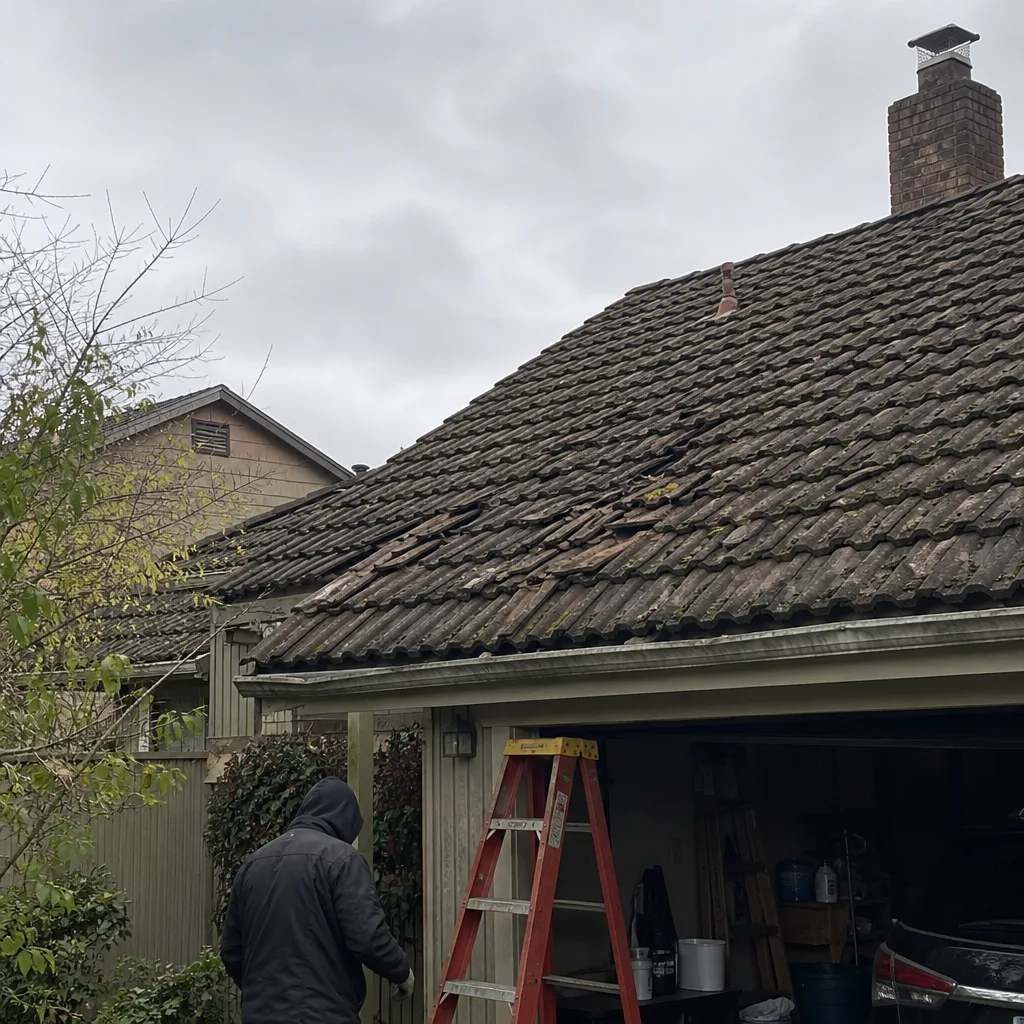 Before
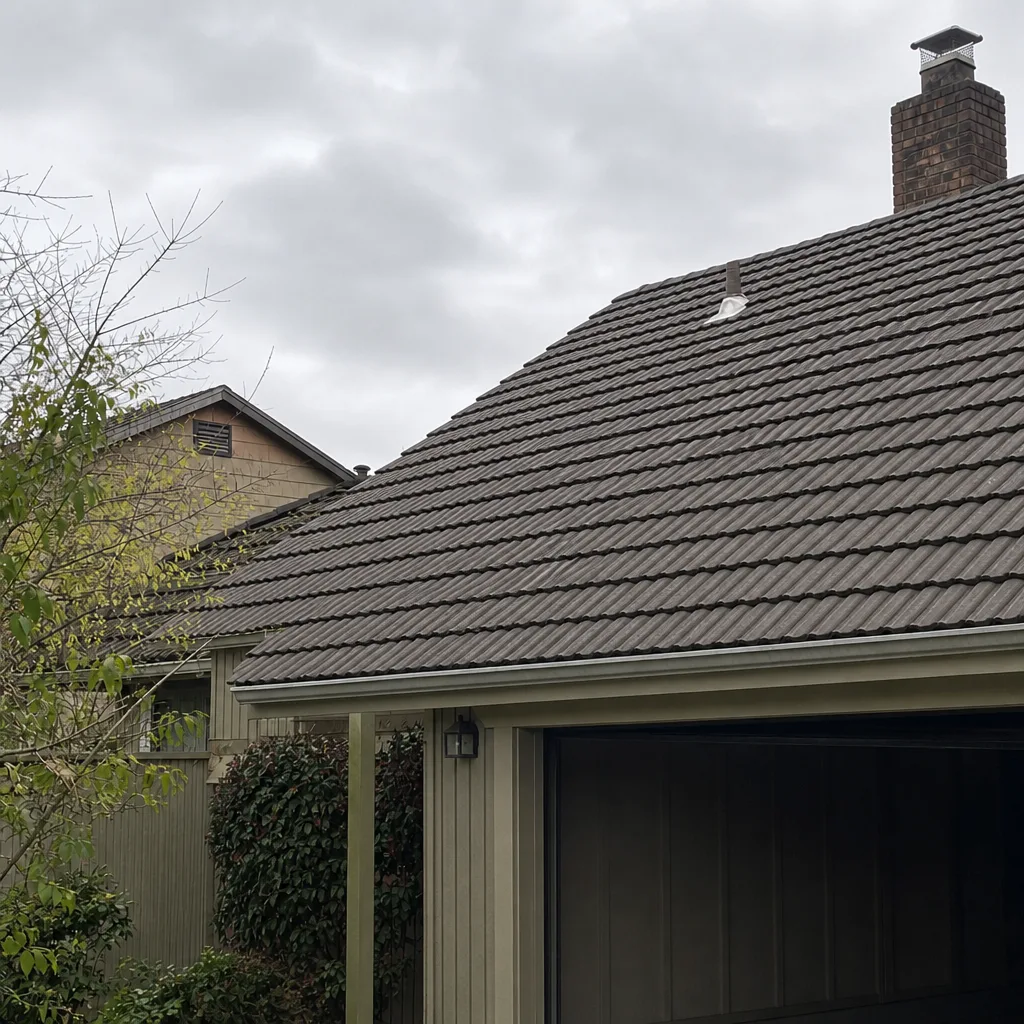 After
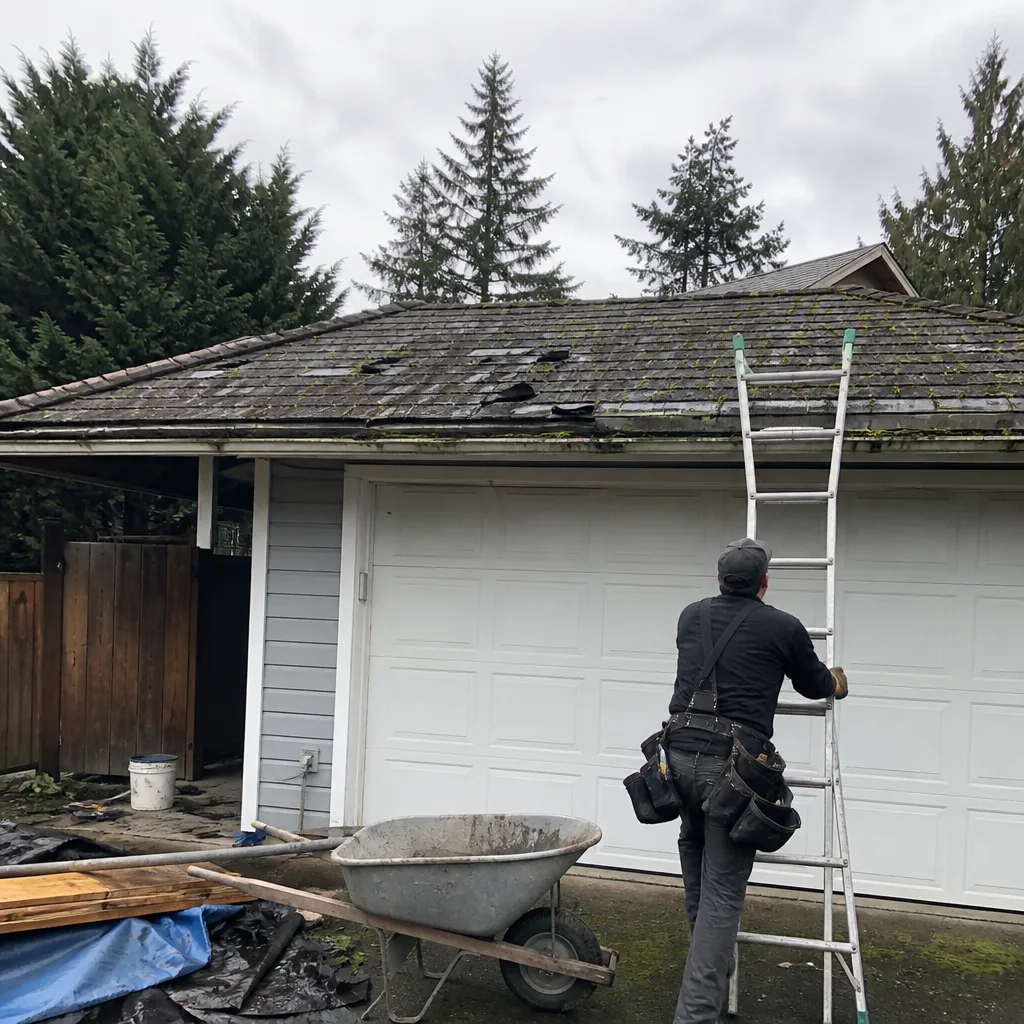 Before
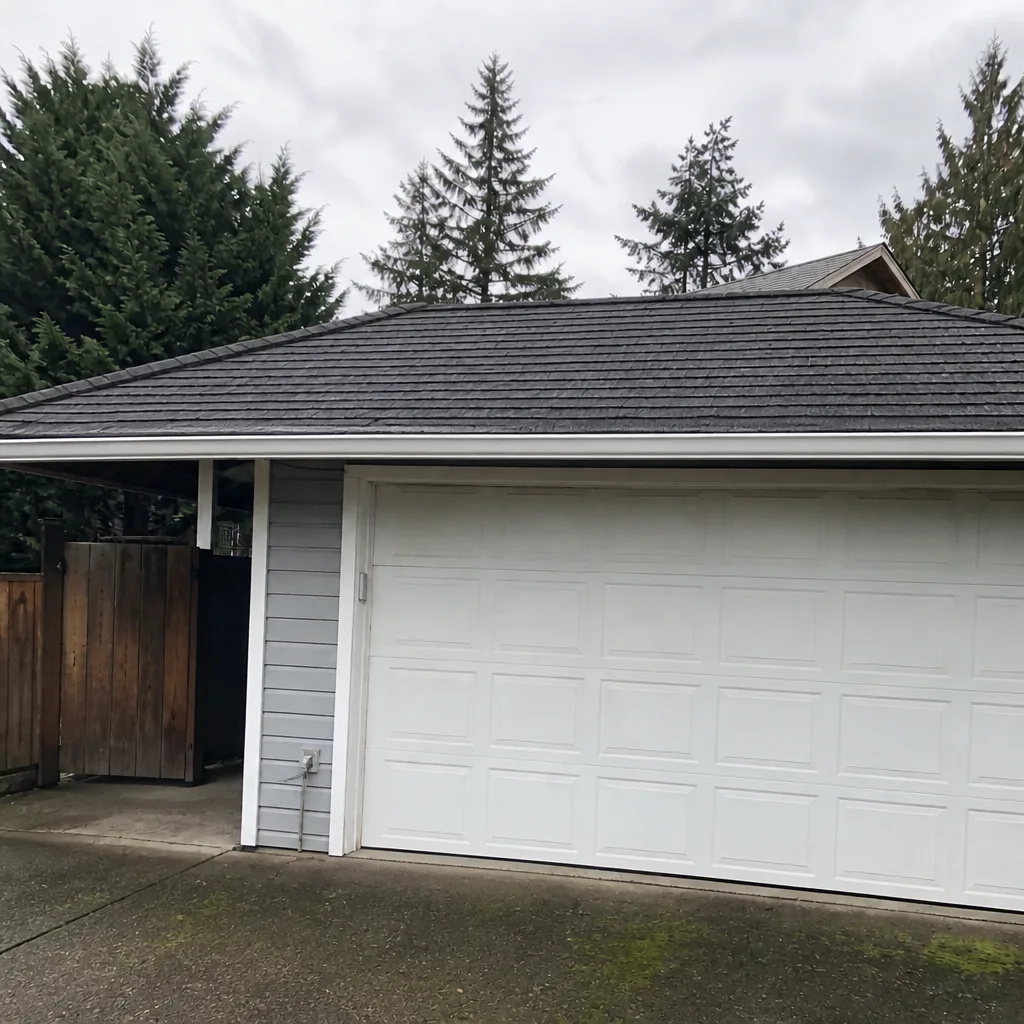 After
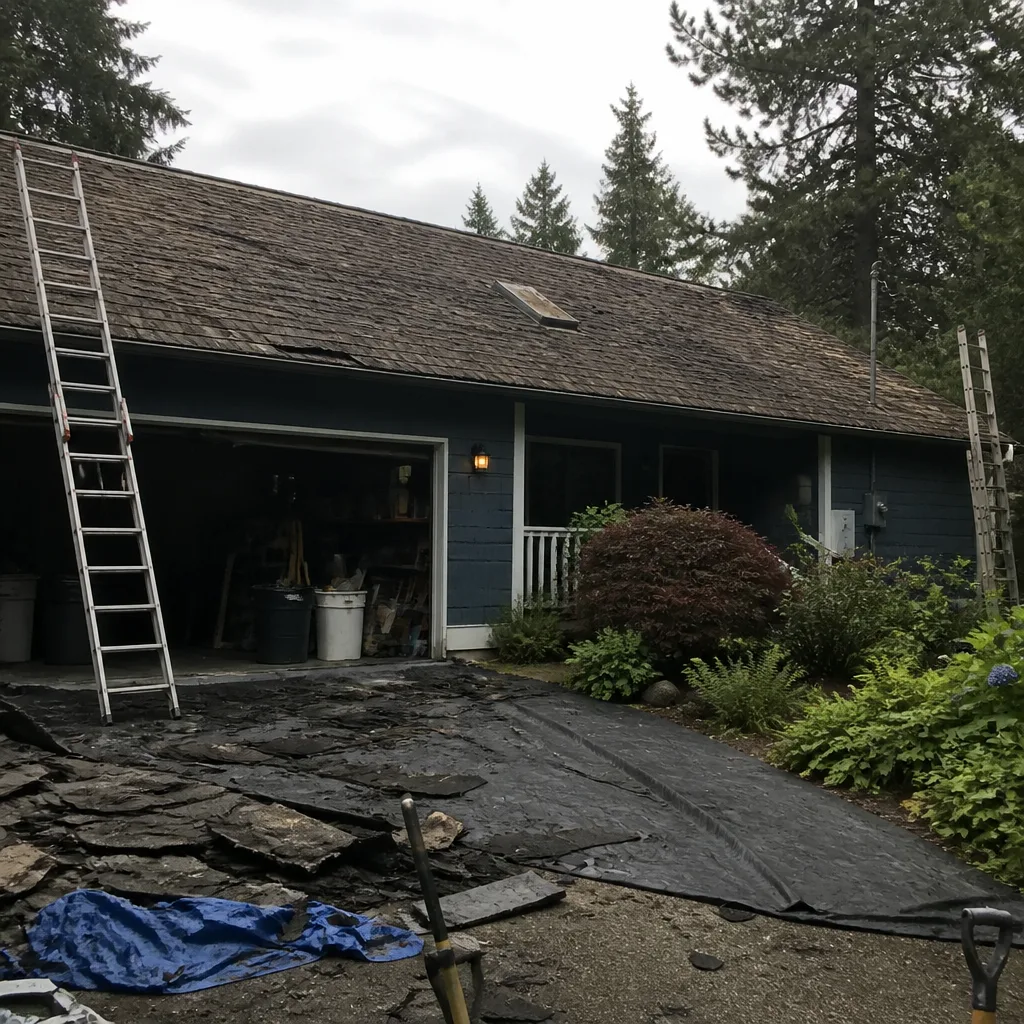 Before
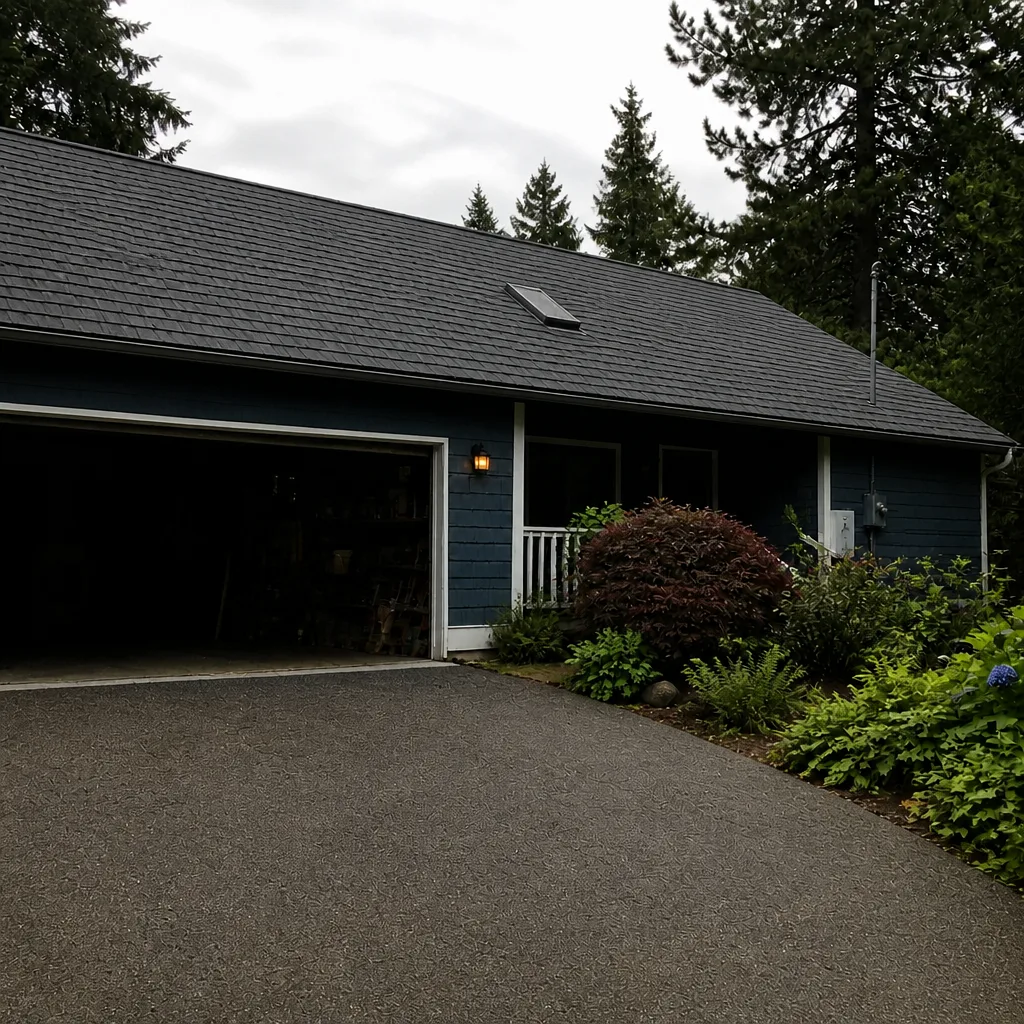 After
When to Call a Professional
Some roofing questions can wait; others can’t. Call a professional when you see missing, cracked, or curling shingles across a wide area, when water stains appear on a ceiling or attic sheathing, or when a wind event has left you uncertain how much of the roof held up. Call when the roof is at the end of its life and you’re deciding between repair and full replacement, because that decision is a scope conversation, not a sales call. Call when you’re planning new construction and need the assembly designed before the framing is finished. And call when you’ve gotten bids that don’t agree on scope, because that’s the exact moment a clear-eyed second opinion earns its keep. Redmond Roofing Pros offers free estimates in Redmond: call (425) 696-5053. We answer 24/7, with fast dispatch from 7am to 7pm, Sunday through Friday.
Frequently Asked Questions
Roof replacement costs in Redmond vary widely with the material category (asphalt shingle, tile, or metal), the roof’s pitch and complexity, the underlayment and flashing spec, and how much decking needs replacement after tear-off. We don’t publish a single number because a bid you can compare only makes sense against a scope-lock document. The written estimate sets the final price, and estimates are free. Call (425) 696-5053 to schedule yours.
Most cities in the area, including Redmond, require a permit for a full roof replacement. Permit rules and inspection requirements can change, so confirm the current requirement with the city’s building department and make sure your contractor’s bid includes pulling the permit and passing the final inspection. A bid that leaves permitting to the homeowner is a bid to be cautious about. Ask any contractor to put permit responsibility in writing.
Look up the contractor in the Washington State Department of Labor & Industries database. It shows registration status, bond and insurance on file, and claim and enforcement history. Confirm the registration number on the bid matches the database, and ask the contractor for that number directly. A registered contractor will provide it without hesitation. Call (425) 696-5053 if you’d like help understanding what the database shows for a bidder you’re considering.
The timeline depends on the roof’s size and complexity, the material category, and how much decking needs replacement once the old covering is off. Asphalt shingle jobs are usually faster than tile or metal. A written bid should state the expected duration before you sign. Rather than promise a number sight-unseen, we set the timeline as part of the written estimate after an on-site assessment. Call (425) 696-5053 for a free estimate.
A manufacturer warranty covers defects in the roofing product itself, and its tier often depends on installer credentials. A workmanship warranty covers the installation: flashing, fastening, and labor. You want both, in writing, and you want to know which manufacturer warranty tier your bid qualifies for. Top-tier warranties from brands like GAF and CertainTeed typically require credentialed installation, so ask the contractor what their installer status qualifies them for. The written estimate should name both warranties explicitly.
A single-brand contractor has one product to recommend, so the material decision is made before they ever see your roof. A material-agnostic contractor can match the roof’s slope, exposure, and ventilation needs to the right system across shingle, tile, and metal. We install products from seven leading manufacturers, including Owens Corning, GAF, CertainTeed, Boral, IKO, Atlas, and Tamko, so the recommendation follows your home rather than the inventory. Call (425) 696-5053 to talk through the options for your roof.
The Bottom Line
Hiring a roofing contractor in Redmond comes down to scope, not price. Write a scope-lock document that fixes the underlayment grade, flashing standard, fastening spec, ventilation, permit responsibility, and warranty terms before you solicit a single bid. Verify the contractor’s Washington registration through L&I and check the claim history. Favor material-agnostic contractors who can install shingle, tile, and metal and who work across multiple manufacturers, because that’s what keeps the recommendation honest. Read the contract line by line against your scope, and walk away from anyone who can’t explain ventilation and flashing without steering back to price. Call (425) 696-5053 for a free estimate from Redmond Roofing Pros, and let’s build the scope together.
Written by the team at Redmond Roofing Pros.