Last updated November 25, 2026
Free roof inspection with deck photos before we talk money - GAF and Owens Corning certified installation
Choosing the Right Roofing Brand: A Buyer’s Guide for Redmond
Most roofing brand guides are written backward. A contractor carries two or three product lines, then writes a comparison that happens to conclude those are the best products on the market. It reads like a spec sheet because it is one. The brand a roofer recommends most often tends to be the one sitting on the pallet at the supplier they already use, not the one best matched to your roof’s pitch, your tree cover, and how Redmond’s winter rain actually hits your shingles. This guide takes the opposite approach. We install products from seven major manufacturers and none of them pay our bills exclusively, so we can evaluate each brand honestly against the criteria that matter for a Redmond roof: algae resistance in shade, impact rating, granule adhesion under heavy rain, and how well the warranty actually gets enforced. By the end you’ll know how to compare brands by performance instead of by brochure.
Quick Answer
There’s no single best roofing brand for every Redmond home. The right brand depends on your roof’s shade exposure, pitch, and how much you weigh warranty coverage against upfront cost. GAF, CertainTeed, and Owens Corning each make strong architectural asphalt lines, while metal and tile options from Boral and others suit different roofs entirely. Compare brands against your specific performance requirements first, then let price and warranty decide between the finalists.
Styles & brands we work with
- Architectural shingles
- Metal roofing
- Tile roofing
- GAF
- Owens Corning
- Flat & low-slope
Table of Contents
- The Redmond Performance Matrix: Four Criteria That Actually Matter
- Algae Resistance: Why Your Shaded Roof Needs a Different Shingle
- Impact Ratings and Class 3 vs. Class 4: Reading the Fine Print
- Comparing Architectural Shingle Lines Across GAF, CertainTeed, and Owens Corning
- Metal Roofing Profiles for Redmond: Standing Seam vs. Corrugated vs. Stone-Coated Steel
- Low-Slope and Flat Sections: What Works on Redmond’s Porch Roofs and Dormers
- How to Read a Roofing Warranty Without Getting Fooled
- Researching Brand Reputation and Warranty Enforcement Before You Sign
The Redmond Performance Matrix: Four Criteria That Actually Matter
Before you compare brands, compare requirements. A roofing product is only “best” in relation to what a specific roof asks of it, and Redmond roofs ask for some very specific things. Most of the town sits under heavy conifer canopy, in a climate with long wet winters and a genuine moss problem. Once you understand what your roof faces, brand selection gets much simpler because most of the market drops away on performance grounds alone.
We evaluate every brand against four criteria, in this order:
- Algae resistance. Copper-infused granules resist the dark streaking caused by algae growth. Under Redmond’s tree cover and consistent moisture, this is not a cosmetic upgrade; it’s the difference between a shingle that stays uniform and one that streaks within a few years.
- Impact rating. Measured under UL 2218, which grades shingles from Class 1 to Class 4 for resistance to a dropped steel ball. In a region that sees occasional hail, a higher class means less granule loss and fewer bruised mats.
- Granule adhesion and mat quality. Heavy, persistent rain finds every weak spot in a shingle. Brands that use a denser granule embed and a heavier mat shed water and resist granule loss better over fifteen or twenty years.
- Ventilation and accessory compatibility. Some brands sell a complete system (underlayment, ridge vent, starter strip, hip and ridge cap) engineered to work together. Mixing brands piecemeal can void the enhanced portion of a warranty.
Redmond homes often face all four of these simultaneously. A shaded Craftsman with a low-pitch porch roof and a gable facing a hail-prone weather pattern needs a product that scores well on every criterion at once, not just one. That’s the filter that should decide your shortlist. For full-scope replacement and installation work on Redmond roofs, our roof replacement page walks through how we match systems to the house.
Algae Resistance: Why Your Shaded Roof Needs a Different Shingle
Algae streaking, those dark vertical stains that run down a roof from the ridge, is a real and specific problem for shaded Redmond roofs. The organism that causes it thrives on moisture and shade, and much of Redmond’s housing stock sits under mature firs and cedars that keep roofs damp and dim through the winter. A standard architectural shingle without copper granules is a straight invitation to streaking.
Also called blue-green algae, the streaking organism is present almost everywhere in the Pacific Northwest, but it only becomes visible when it colonizes a roof. Copper granules inhibit the growth because the metal ions are toxic to the algae. Shingles with a copper-enhanced granule blend resist streaking for years longer than basic shingles. On a purely shaded, dark roof, that difference is not cosmetic; it’s the difference between a clean-looking roof at year twelve and one that looks neglected.
What to look for:
- Copper-infused granules, often branded with a proprietary algae-resistance name. GAF uses “StainGuard,” CertainTeed uses “StreakFREE,” and Owens Corning uses “SureNail” technology alongside copper granules in its higher lines.
- A stated warranty against algae discoloration, typically ten or fifteen years, which is a separate coverage from the shingle warranty.
- Enough copper coverage. Some budget lines include copper but at a lower density. Ask your installer to confirm the algae-resistance rating is documented, not just named.
For a Redmond home under heavy tree cover, we default to an algae-resistant shingle unless the homeowner specifically wants otherwise. The cost difference between a copper-granule architectural line and a plain one is modest relative to the aesthetic and resale impact of a streaked roof. On a full shingle roofing project, that upgrade rarely moves the total meaningfully.
Impact Ratings and Class 3 vs. Class 4: Reading the Fine Print
Impact resistance is one of the most misunderstood specs in roofing, partly because manufacturers use evocative language like “impact-resistant” and “hail-rated” that doesn’t cleanly map to a certified class. The real test is UL 2218, a standardized steel-ball drop test with four classes. Class 4 is the highest and the one that means something concrete.
Redmond isn’t a hail corridor in the sense that the central plains or parts of Texas are, but the region does get intermittent hail, and roofs in the area do sustain impact damage over their service life. More importantly, many insurance carriers offer credits for Class 4 shingles because they demonstrably reduce storm claims. So even without severe hail, a Class 4 product can pay part of its premium back through reduced premiums.
Here’s the fine print that trips people up:
- Class 4 is a test on the product, not the system. A shingle rated Class 4 on its own may lose that rating when installed over inadequate underlayment or on a non-approved deck. The assembly has to meet the class, and only certain installation combinations are certified.
- Language vs. certification. Some shingle lines use impact language in the marketing but only carry Class 3 UL 2218 certification. Class 3 is a real rating but a lower one. Ask for the certification document, not the brochure.
- Full system matters. CertainTeed, Owens Corning, and IKO all publish approved assemblies for impact-rated installation. An installer who mixes a Class 4 shingle with a cheap underlayment can silently defeat the rating.
When we specify a Class 4 shingle on a Redmond roof, we also specify the matching underlayment and installation method that carries the class through the whole assembly. Ask any contractor you interview for that documentation. If they can’t produce it, they haven’t done the homework. Our new roof installation page explains how we specify assemblies from the deck up.
Comparing Architectural Shingle Lines Across GAF, CertainTeed, and Owens Corning
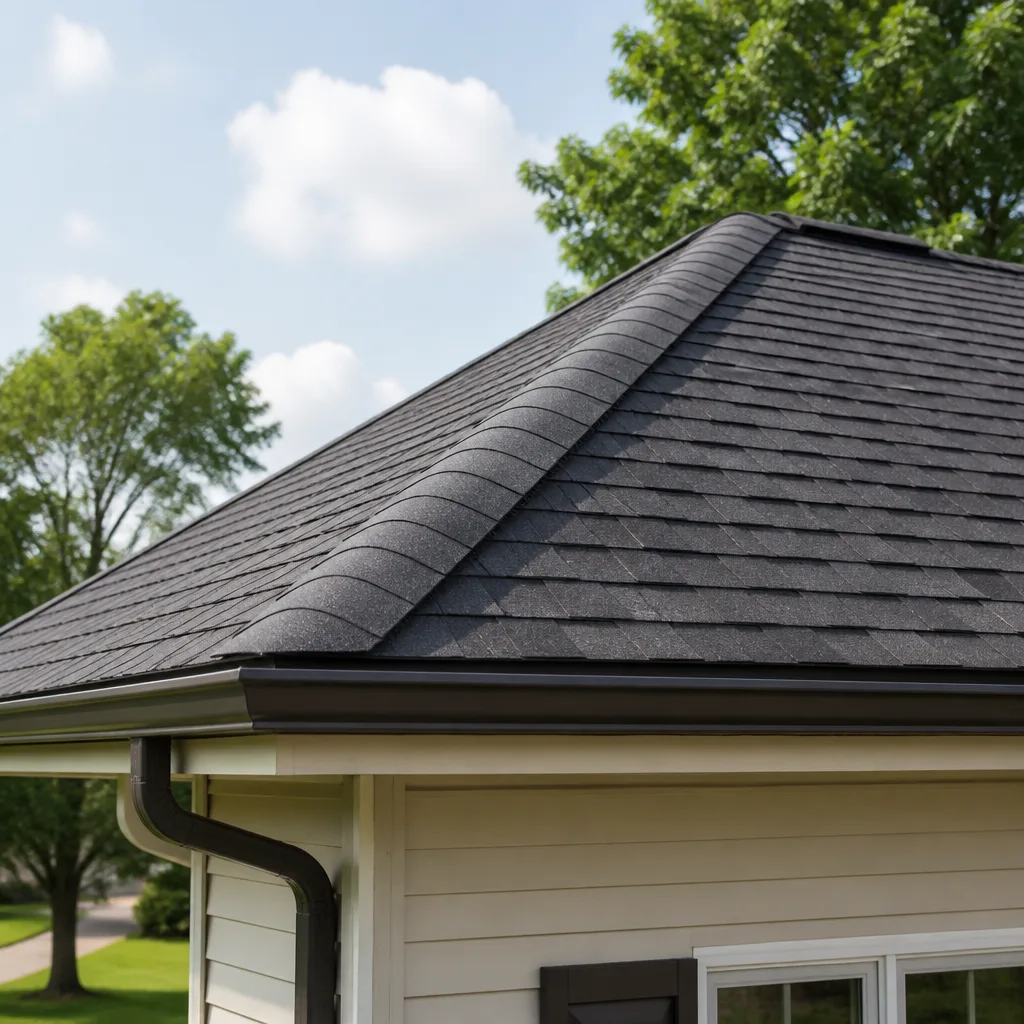
The architectural asphalt shingle is the workhorse of Redmond roofing, and the big three brands (GAF, CertainTeed, and Owens Corning) all make strong products. The real differences show up in details: mat weight, granule adhesion, algae resistance, and how warranty coverage is tiered. Below is a comparison framework you can use for any brand, with notes on where each tends to stand.
- GAF Timberline HDZ and UHDZ. Among the most widely installed architectural lines, with a strong algae-resistance program (StainGuard) and a layered warranty system. GAF’s enhanced warranty tiers require installation by a credentialed contractor, so installer credentials matter directly to what coverage you get.
- CertainTeed Landmark. A respected architectural line with StreakFREE algae resistance and a warranty structure built around certified installers. CertainTeed’s warranty sits in the upper tier of the market when the installer is properly credentialed, and the Landmark line has long been a benchmark for mat weight in the region.
- Owens Corning Duration. Notable for its SureNail nailing strip, which is a genuine installation-quality feature because it makes correct nailing easier to hit consistently. Durability is strong, and the line is widely installed across Redmond.
- IKO Cambridge and Dynasty. A solid mid-tier architectural line with improving algae resistance and Class 4 impact options on higher tiers. Often a strong value choice where budget is a real constraint.
- Atlas Pinnacle Pristine. Known for its granule adhesion, which matters in a high-rainfall climate, and for a wide color range. Atlas is a credible choice where aesthetics and granule retention both get weight.
- Tamko Heritage. A widely available architectural line with strong color options and competitive algae resistance in the higher tiers.
Notice that no line wins on every criterion. GAF tends to edge ahead on algae-resistance program depth. CertainTeed lands in the upper tier on mat weight and warranty credentialing. Owens Corning’s nailing strip gives it an edge on installation consistency. Budget-conscious projects often end up with IKO or Tamko. The right line is the one that hits your weighted criteria. In our experience, the honest answer to “which brand is best” is usually a tie between two finalists, and price and installer credentials break the tie.
A note on how we choose
We work with seven manufacturers, including GAF, CertainTeed, Owens Corning, IKO, Atlas, Tamko, and Boral. Multi-brand access means we’re not steering you toward one pallet. When we specify a system for your Redmond roof, the choice is driven by your roof’s criteria, your budget, and the warranty structure that fits the project. That’s the whole point of carrying more than one brand.
Metal Roofing Profiles for Redmond: Standing Seam vs. Corrugated vs. Stone-Coated Steel
Metal roofing is a genuinely strong choice for Redmond, but “metal” is not a single product. The three profiles common on Pacific Northwest homes perform very differently in this climate, and the differences show up in noise, thermal movement, and moss.
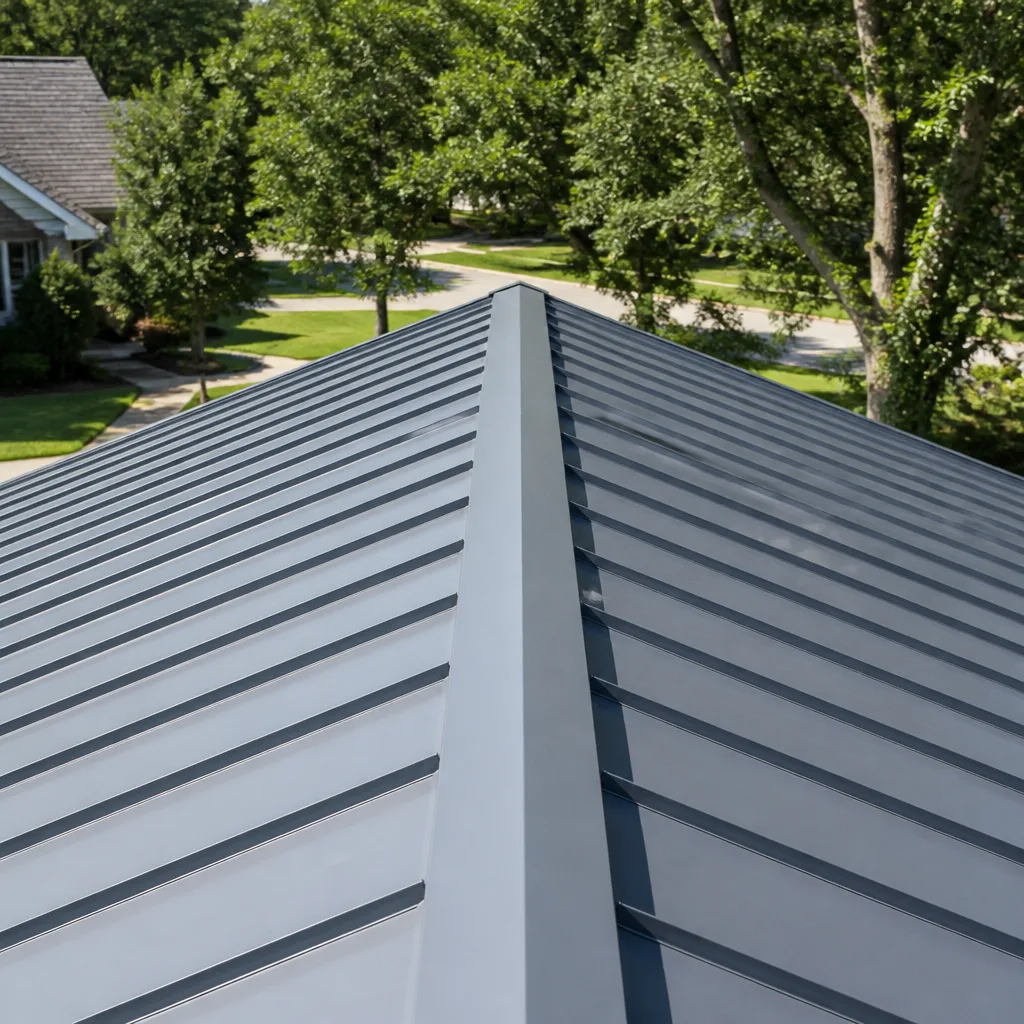
Standing seam
Standing seam panels use concealed fasteners and raised vertical seams that shed water without penetration. This is the top tier for Redmond applications because it eliminates the exposed fasteners that otherwise work loose over years of freeze-thaw and rain. Thermal movement is significant: metal expands and contracts with temperature, so installation has to account for it with proper clip spacing. Noise is only an issue on poorly insulated roofs; with a solid deck and underlayment, a standing seam roof is quiet.
Exposed-fastener corrugated metal
Corrugated metal uses lapped panels screwed through the face, with neoprene washers at each fastener. It’s the most affordable metal option, but the exposed fasteners are the weak point. Over many years of rain and thermal cycling, washers degrade, and fasteners back out. This profile is common on agricultural buildings and some residential roofs but requires more maintenance attention. Moss resistance is good because the metal itself doesn’t invite growth, though organic debris can still collect in valleys.
Stone-coated steel
Stone-coated steel combines a steel panel with a granule coating that looks like shake or tile. It’s a heavier system and offers good impact resistance. On Redmond roofs with generous tree cover, the coarse granule surface can collect organic material more than bare metal, so gutter and roof cleaning habits matter. It’s also a strong aesthetic match for some Redmond housing styles where a metal panel would look out of place.
Across all three, metal roofs are excellent for moss resistance because the surface itself doesn’t hold moisture the way asphalt does, but valleys and ridges still accumulate debris and need occasional clearing. For homes that see a lot of canopy shade, metal often wins on maintenance and lifespan. Our team installs tile and metal systems alongside shingle, so the recommendation follows the roof, not the inventory.
Low-Slope and Flat Sections: What Works on Redmond’s Porch Roofs and Dormers
Redmond homes often have low-slope sections that people forget about until they leak: porch roofs, shed dormers, garage extensions, and small flat bumps over bay windows. These are the weak points on an otherwise well-built roof system, and the brand conversation changes entirely for them. A standard architectural shingle rated for a steeper pitch is the wrong product on a low-slope section.
The right material for a low-slope section depends on the slope:
- Moderate low slope. Some shingle systems are approved down to a lower pitch with a specific underlayment assembly. But the assembly has to be certified by the manufacturer, not just “close enough” in the installer’s judgment.
- Truly flat sections. Modified bitumen or a single-ply membrane is generally the correct answer, not shingle. A flat section with a shingle on it is a future leak.
- Metal alternatives. Standing seam performs well on lower slopes because it’s a water-shedding panel with concealed fasteners, but the seam profile and slope minimums have to be checked against the manufacturer’s spec sheet.
The key mistake on low-slope sections is assuming one brand solves it. Instead, you need a system with documented low-slope approval for that specific assembly. That’s why we specify the assembly from the deck up, not just the top layer. If a Redmond home has a flat or low-pitch porch, the correct answer is often a separate material category entirely from the main roof, and it should be priced and specified separately.
How to Read a Roofing Warranty Without Getting Fooled
Roofing warranties are one of the most misrepresented parts of the buying process. The word “lifetime” appears on many consumer-facing materials, but the details of what’s actually covered, for how long, and by whom tell a very different story. Understanding the structure of these warranties lets you compare brands fairly.
What “limited lifetime” actually means
Most architectural shingle warranties are “limited lifetime,” which means the manufacturer covers defects in materials for the life of the shingle, but with multiple conditions. The biggest condition is usually proration. Many warranties cover full replacement value for the first ten years, then prorate the coverage after that. So “limited lifetime” can mean a partial payout or a reduced-value claim after year ten. That proration is where the real cost shows up, and it’s rarely explained clearly at the point of sale.
Enhanced warranty coverage and installer credentials
Many GAF, CertainTeed, and Owens Corning shingle systems carry enhanced warranties, sometimes called “system” or “golden pledge” tiers, that are only available when the installer is credentialed through the manufacturer’s program. These enhanced warranties can add labor coverage, longer coverage on the whole system, or transferability benefits. The catch is that the enhanced coverage depends on the installer’s credentials at the time of installation, not on the shingle line alone.
That means installer credentials are a material fact, not marketing language. A GAF System Plus warranty, for example, isn’t something you can buy on top of a standard installation by a non-credentialed contractor. If enhanced warranty coverage matters to you (and after a five-figure replacement, it should), the installer’s manufacturer credentials have to be part of your decision.
What to check before you sign
- Read the actual warranty document, not the marketing page, before you sign the contract.
- Ask whether the proposed system includes enhanced coverage, and what tier.
- Confirm the installer’s manufacturer credential status in writing.
- Understand proration: when does full coverage end and partial coverage begin?
- Check transferability, since resale value matters.
Any contractor who can’t walk you through these five steps with the actual documents in hand is not someone you should trust with a roof. If you want to see how this plays out on a full project, our roof replacement page lays out the process end to end.
Researching Brand Reputation and Warranty Enforcement Before You Sign
Brand reputation in roofing is not the same as product quality. What matters just as much is how the manufacturer handles warranty claims when something goes wrong, and how the contractor handles disputes. Two manufacturers can make comparable shingles and have very different records on enforcement. You want to research both, and it’s not hard to do.
Start with Washington State’s Labor & Industries contractor database. Any licensed contractor has an entry there, and you can research prior complaints and disciplinary actions. While the database focuses on the contractor rather than the manufacturer, a contractor’s complaint history is a strong signal of how warranty enforcement tends to go in practice. Look for pattern complaints, not one-offs, since every contractor has some disputes.
Then research the manufacturer directly. Roofing trade publications and forums will surface patterns in complaint resolution. Look for whether the manufacturer honors claims when they’re legitimately presented, or whether they deny claims on technicalities repeatedly. A couple of stories in forums aren’t meaningful; a pattern over years is.
We’ve found that the brands with the strongest enforcement records in the Pacific Northwest tend to be the same brands that invest in credentialed installer networks: GAF, CertainTeed, and Owens Corning. That’s not a coincidence. Credentialed networks create more accountability on the installation side, which means fewer warranty disputes in the first place. Local brand reputation is partly an installer-network story.
Finally, ask the contractor directly: how often do you make warranty claims with this manufacturer, and how do they resolve? An honest contractor can speak to this. A contractor who deflects the question is one to be skeptical of. Our Redmond Roofing Pros team can talk through specific brand enforcement records we’ve seen in the region.
See the difference
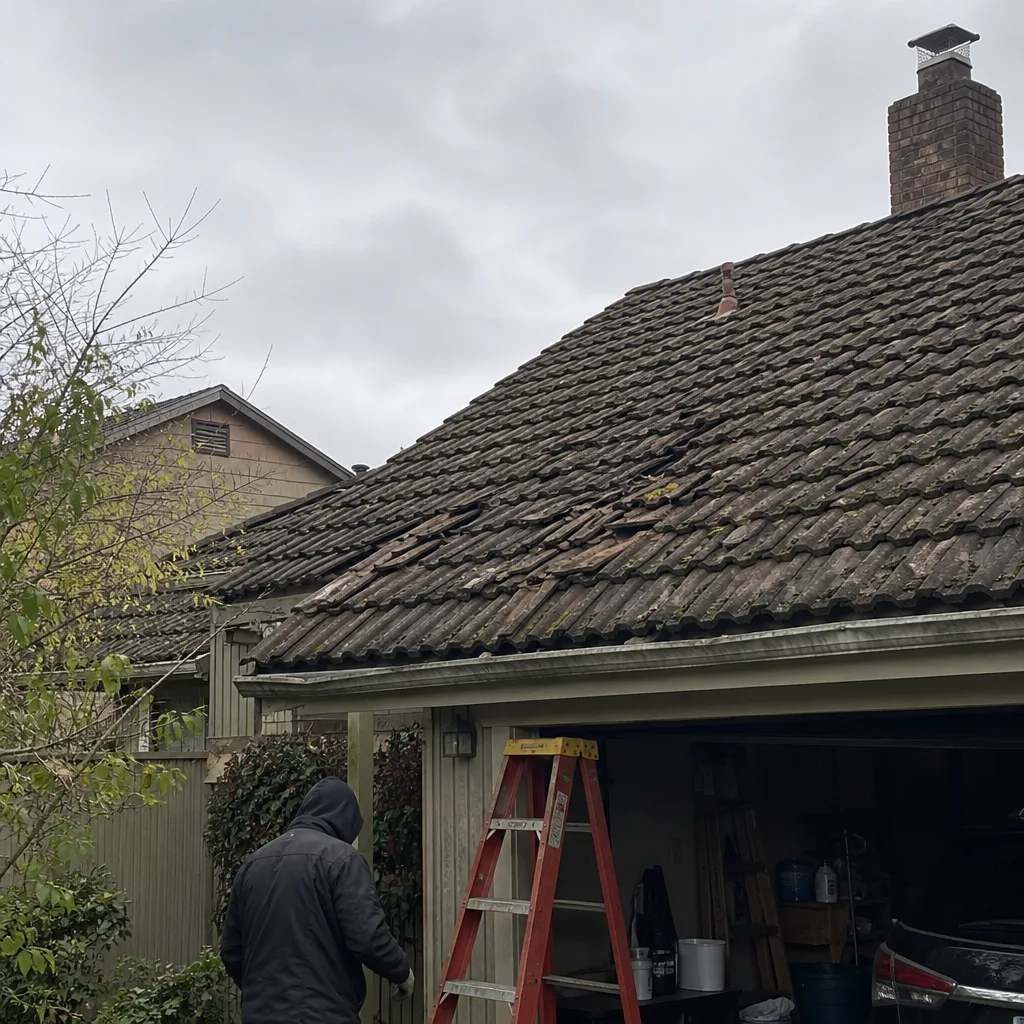 Before
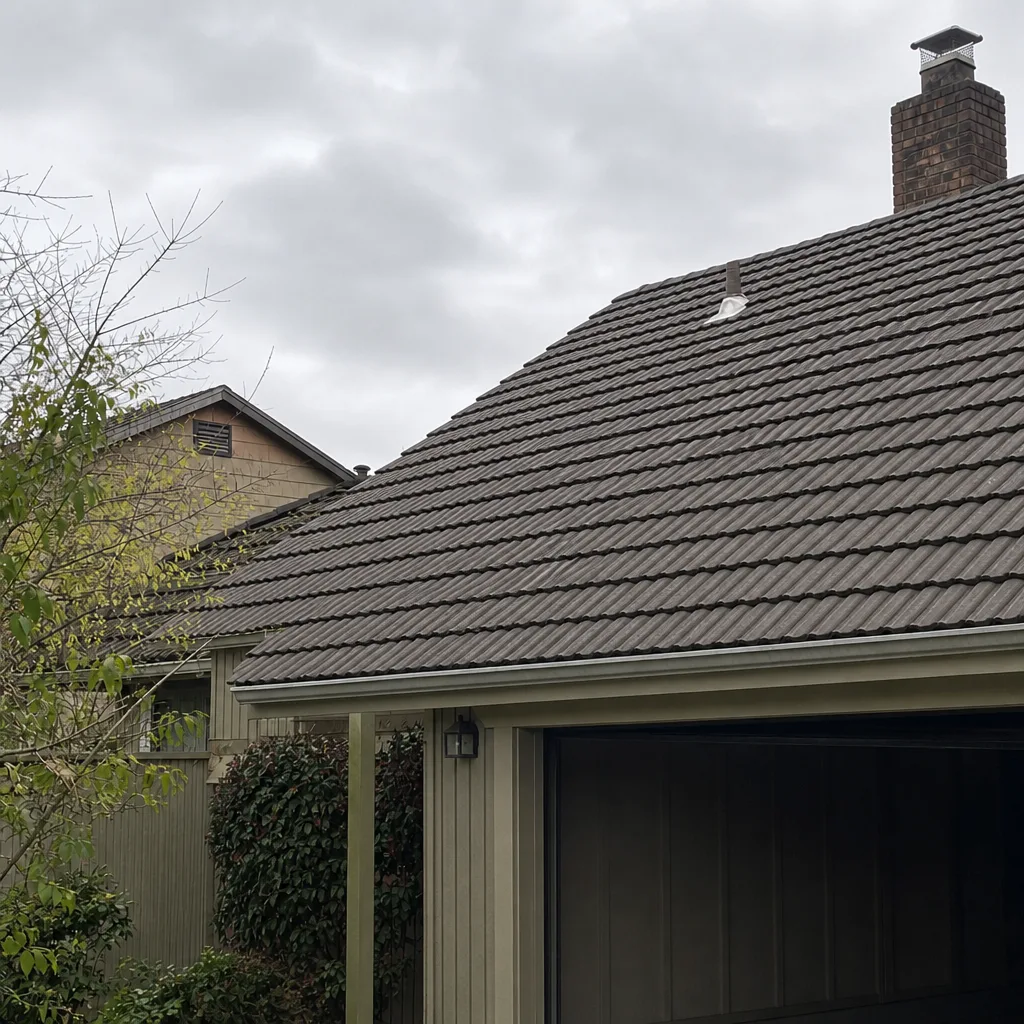 After
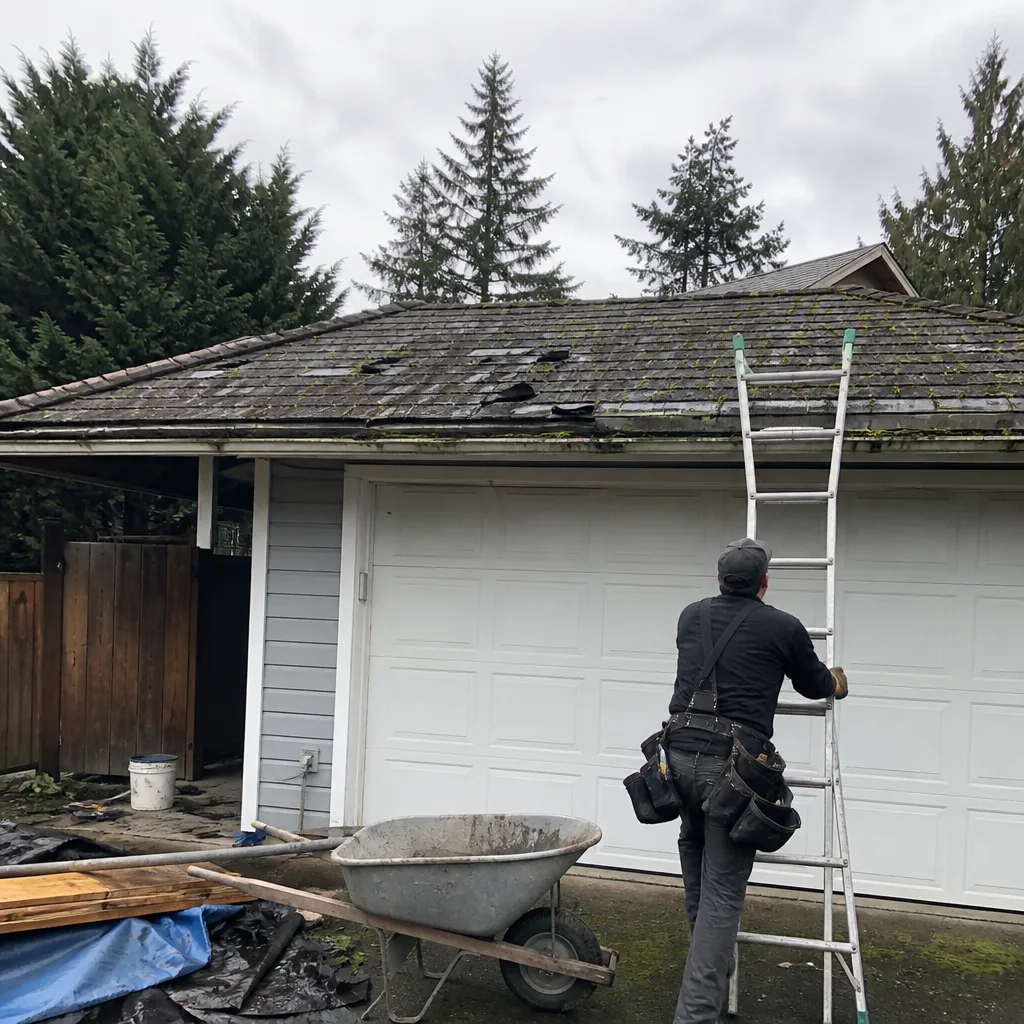 Before
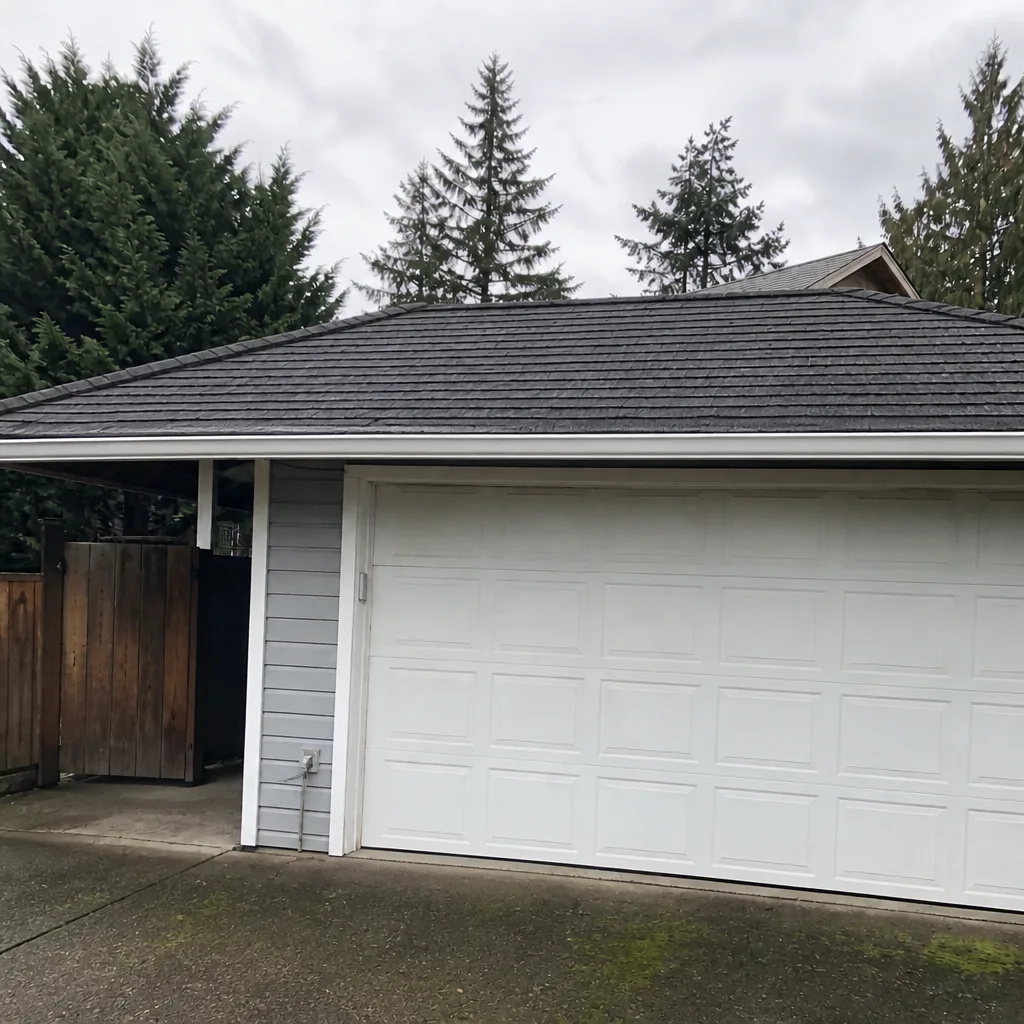 After
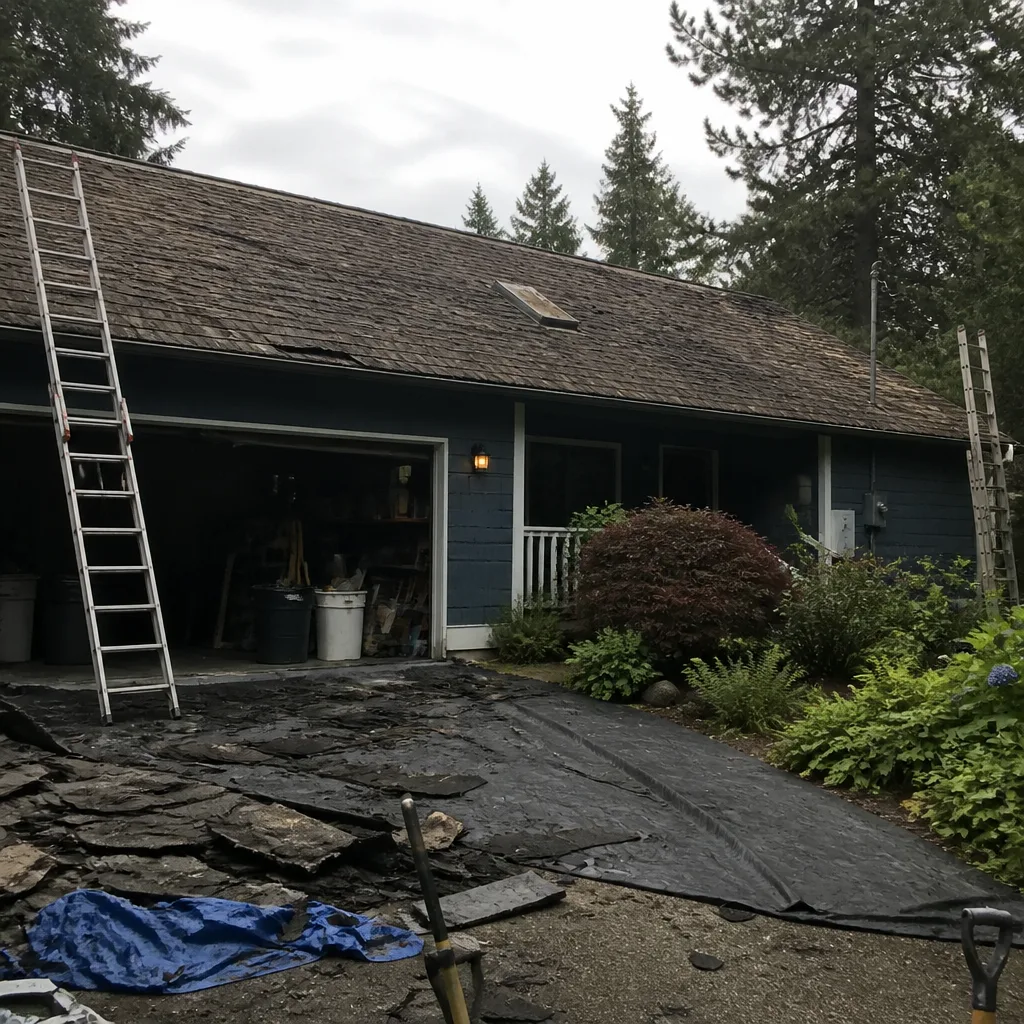 Before
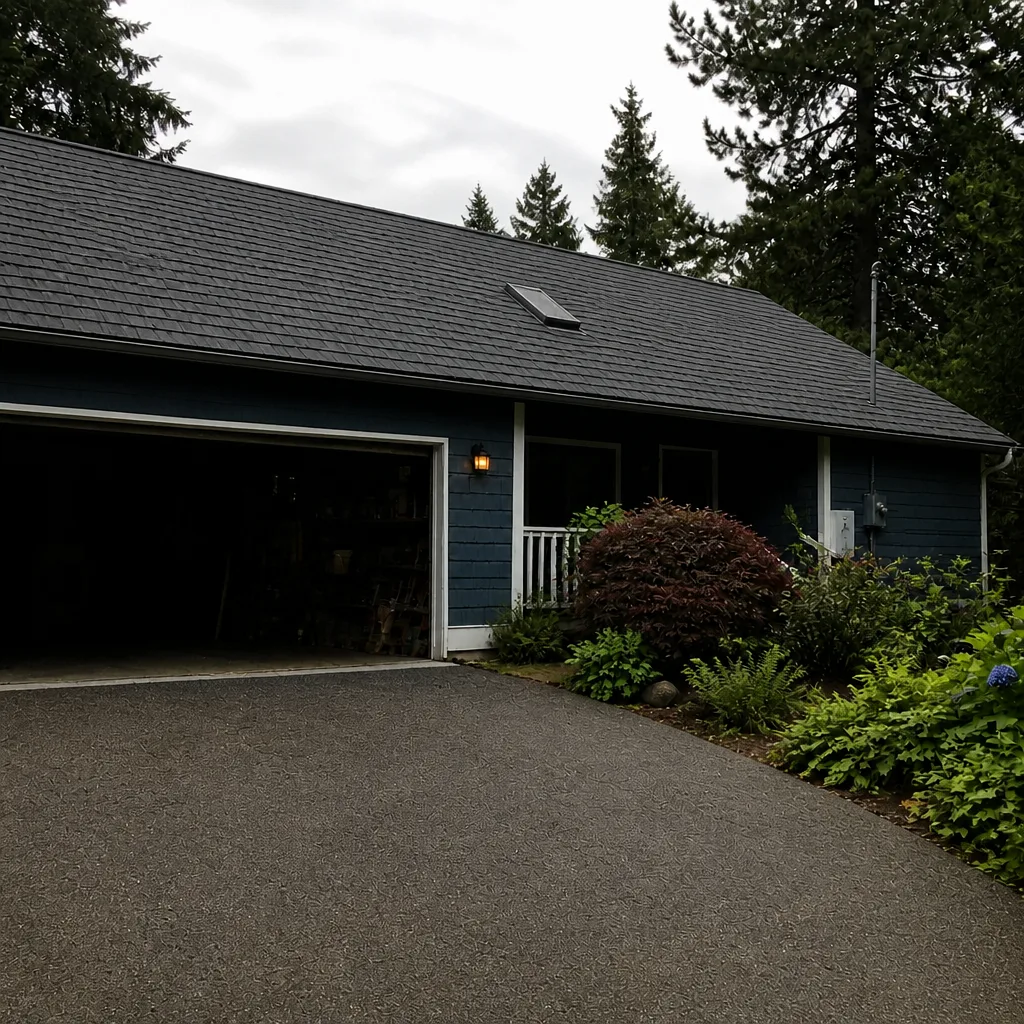 After
Common Mistakes to Avoid
- Choosing by brand alone. “I want a GAF roof” is not a specification. You also need the correct line, the correct assembly, and an installer whose credentials unlock the warranty you expect. Compare the full system, not the logo.
- Assuming “impact-resistant” means Class 4. Marketing language and UL 2218 certification are not the same thing. Ask for the certification document on any shingle sold as impact-rated, and confirm the assembly meets the class.
- Skipping algae resistance in shade. On a Redmond roof under firs, a shingle with no copper granules streaks badly within a decade. The modest upgrade cost is worth it for resale and appearance.
- Letting a low-slope section get shingle treatment. A porch roof or dormer with a genuine low pitch needs a different material, not a best-effort shingle job. Specify a system with documented low-slope approval or a membrane.
- Ignoring the installer credential question. A top-tier product installed by a non-credentialed contractor can lose the enhanced warranty tier. The installer and the product matter equally.
- Not reading the actual warranty. Marketing pages summarize. The warranty document controls. Read it before you sign, and ask about proration and transferability explicitly.
- Choosing a brand because it’s what the contractor stocks. If a contractor only carries one or two brands, you’re not really comparing. Ask whether the recommendation would change if the pallet did.
When to Call a Professional
Any full roof replacement or new installation in Redmond is a professional job from start to finish. If your roof is showing widespread granule loss in the gutters, curled or missing shingles across a significant area, or recurring leaks on multiple slopes, it’s time to assess replacement rather than patch. If you’re building a new home in Redmond or planning an addition, the roof system should be specified before framing is complete, not after. And if you’re in the middle of a warranty process with a manufacturer and need a second opinion on what would be covered, a conversation with a contractor who works with multiple brands can clarify things quickly. Redmond Roofing Pros offers free estimates in Redmond. Call (425) 696-5053. We answer 24/7. Fast dispatch from 7am to 7pm, Sunday through Friday.
Frequently Asked Questions
There’s no single best brand because the right choice depends on your roof’s shade, pitch, and warranty expectations. GAF, CertainTeed, and Owens Corning each make strong architectural lines that perform well in this climate, and the deciding factor is usually the specific line and installer credentials rather than the brand name alone. Call (425) 696-5053 for a free estimate and we can compare options for your roof.
Not legally, but it’s worth it because UL 2218 Class 4 shingles resist hail and impact damage better and often qualify for insurance credits. If your roof sees any meaningful hail exposure, specify the assembly and confirm the class with the certification document, not the brochure. Call (425) 696-5053 to talk through whether Class 4 makes sense for your home.
Dark vertical streaking on a Redmond roof is almost always algae, which thrives under the area’s tree canopy and moist shade. Copper-granule algae-resistant shingles (GAF StainGuard, CertainTeed StreakFREE) resist it. If you’re replacing, make sure the shingle line includes copper granules and a documented algae warranty. Call (425) 696-5053 for a free assessment.
Read the actual warranty document, and look at three things: how long full coverage lasts before proration, whether the installer must be manufacturer-credentialed for enhanced coverage, and whether the warranty is transferable on resale. A big brand name with a thin warranty is worse than a solid mid-tier brand with a strong one. Call (425) 696-5053 for help comparing a specific warranty you’ve been offered.
Yes, especially for homes with heavy tree cover or where moss is a persistent problem. Standing seam is the strongest option, but corrugated and stone-coated steel have trade-offs on fastener life, noise, and debris collection. Metal is also a long-life, low-maintenance alternative to shingle. Call (425) 696-5053 so we can match a metal system to your roof’s pitch and design.
We install products from seven major manufacturers, including GAF, CertainTeed, Owens Corning, IKO, Atlas, Tamko, and Boral, so the material choice follows your roof’s requirements rather than a single supplier. If your choice is a specific line, we can confirm availability and installation specs. Call (425) 696-5053 for a free estimate and we’ll walk through the options.
The Bottom Line
The best roofing brand for a Redmond home is the one that scores highest on your specific performance criteria: algae resistance under shade, impact rating in hail country, granule adhesion in heavy rain, and a complete assembly that comes with the enhanced warranty you expect. Compare the criteria, shortlist by line rather than logo, then let the installer’s credentials and the warranty fine print make the final call. If you carry seven brands rather than two, the recommendation follows your roof. And if you haven’t researched a brand before, start with the certification documents, not the marketing page. It’s a bigger investment than most remodeling projects, and it deserves the homework. For a free estimate and a straight comparison, call (425) 696-5053 for Redmond Roofing Pros. We answer 24/7. Fast dispatch from 7am to 7pm, Sunday through Friday.
Written by the team at Redmond Roofing Pros.