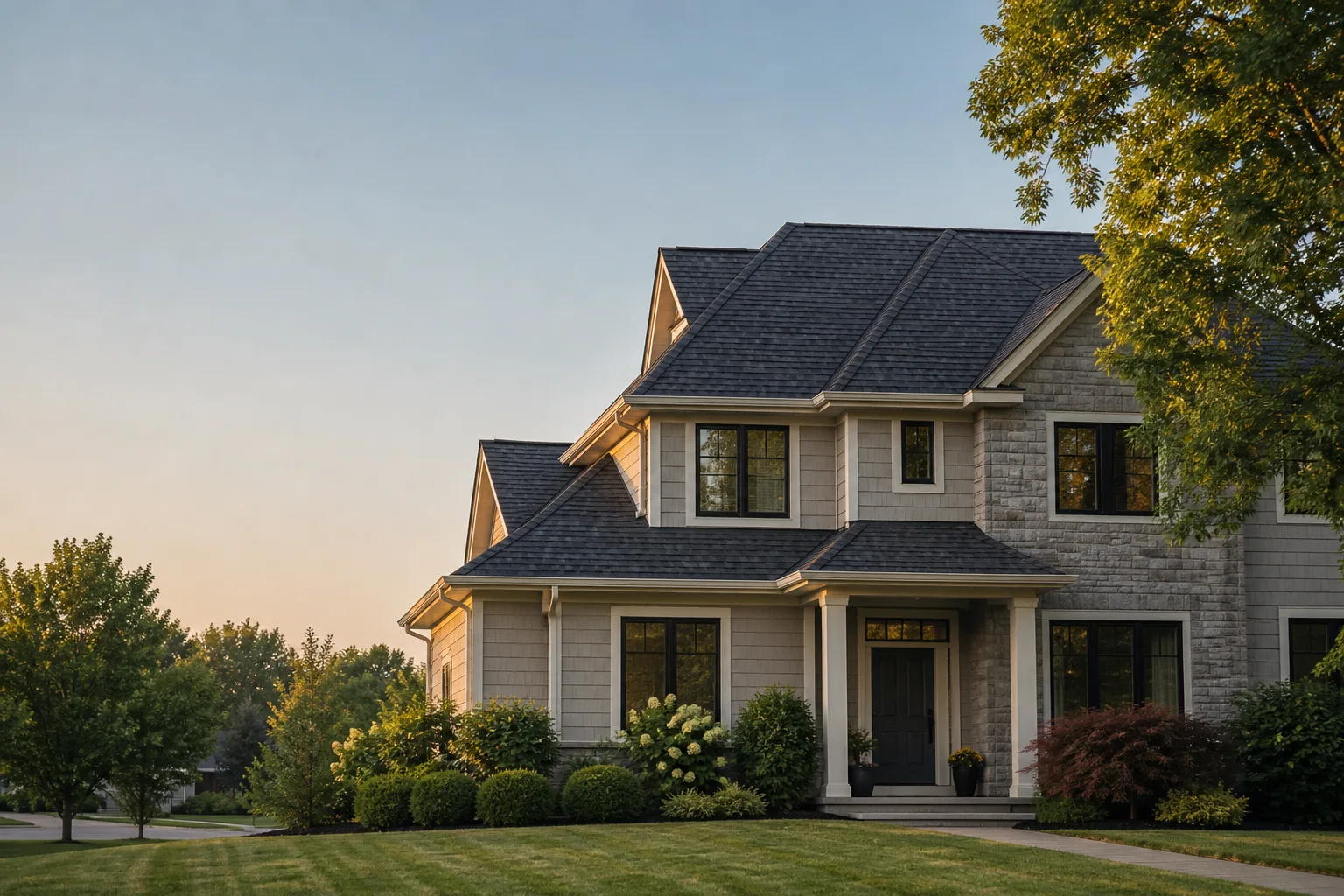
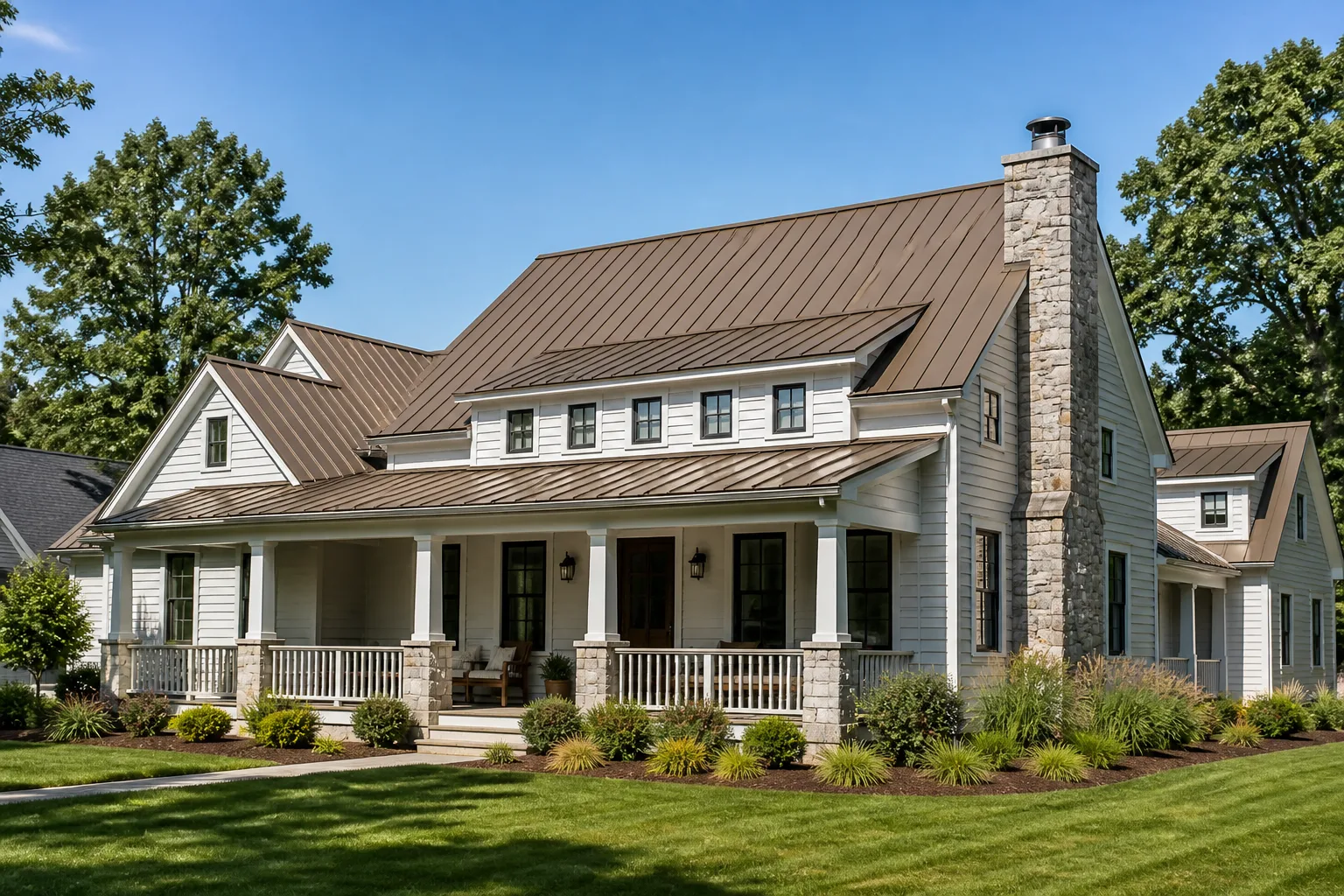
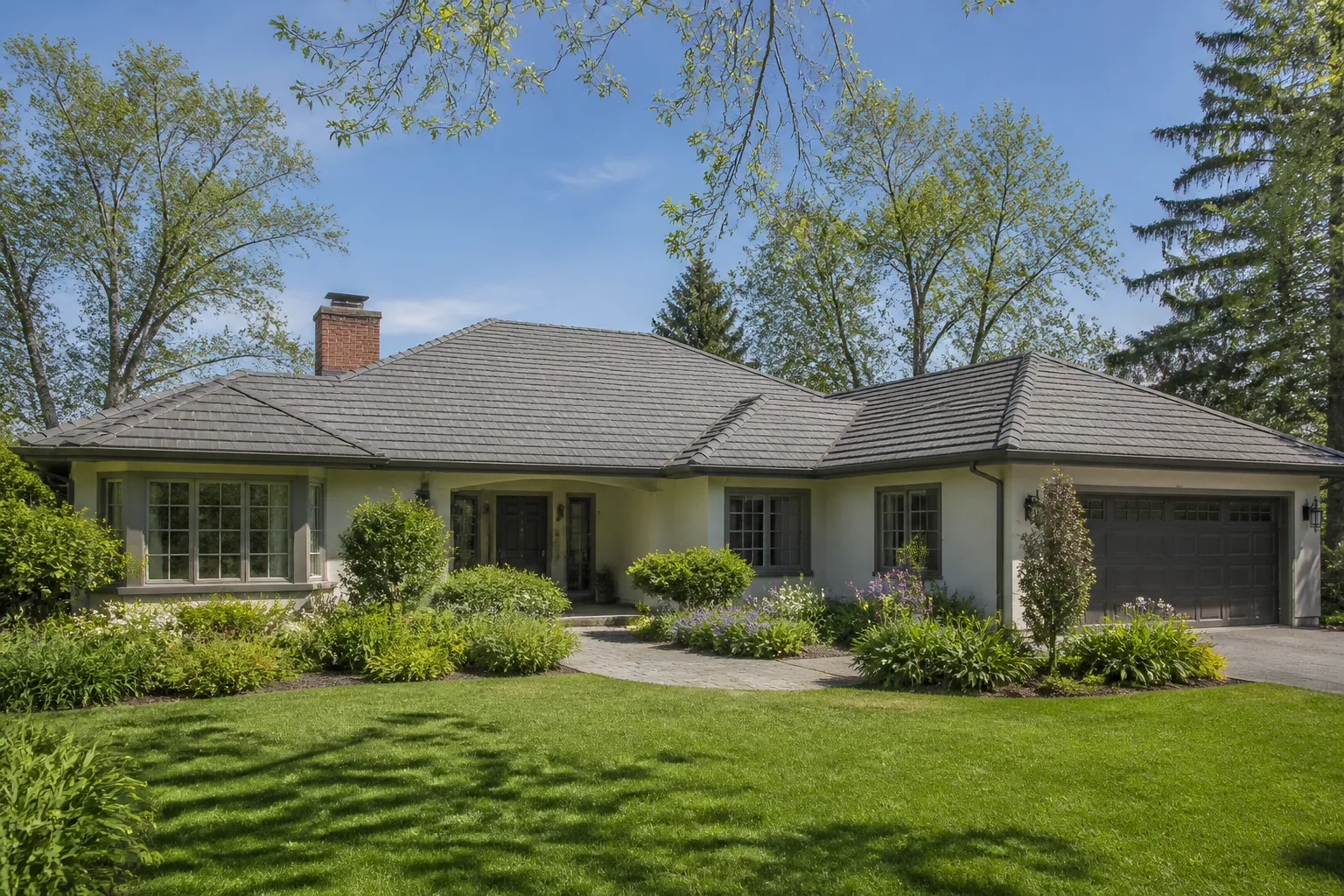
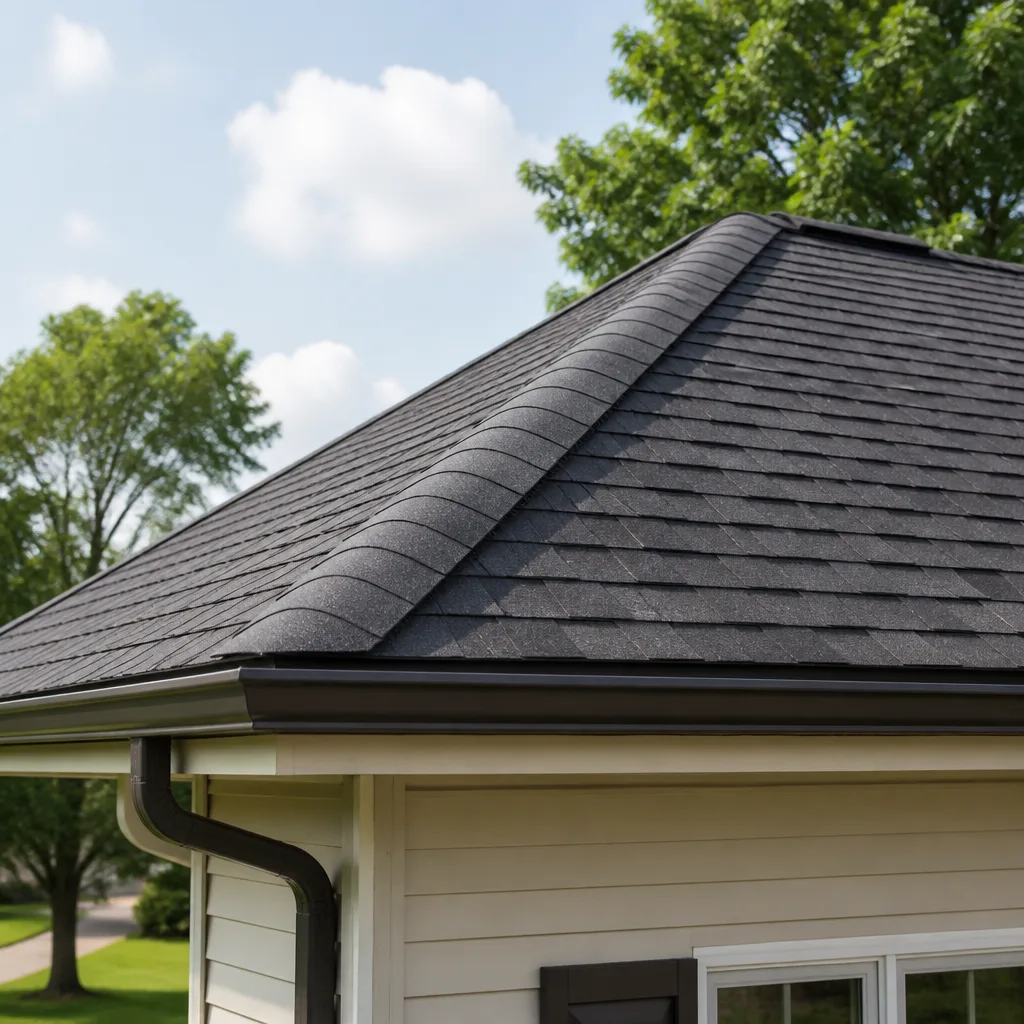
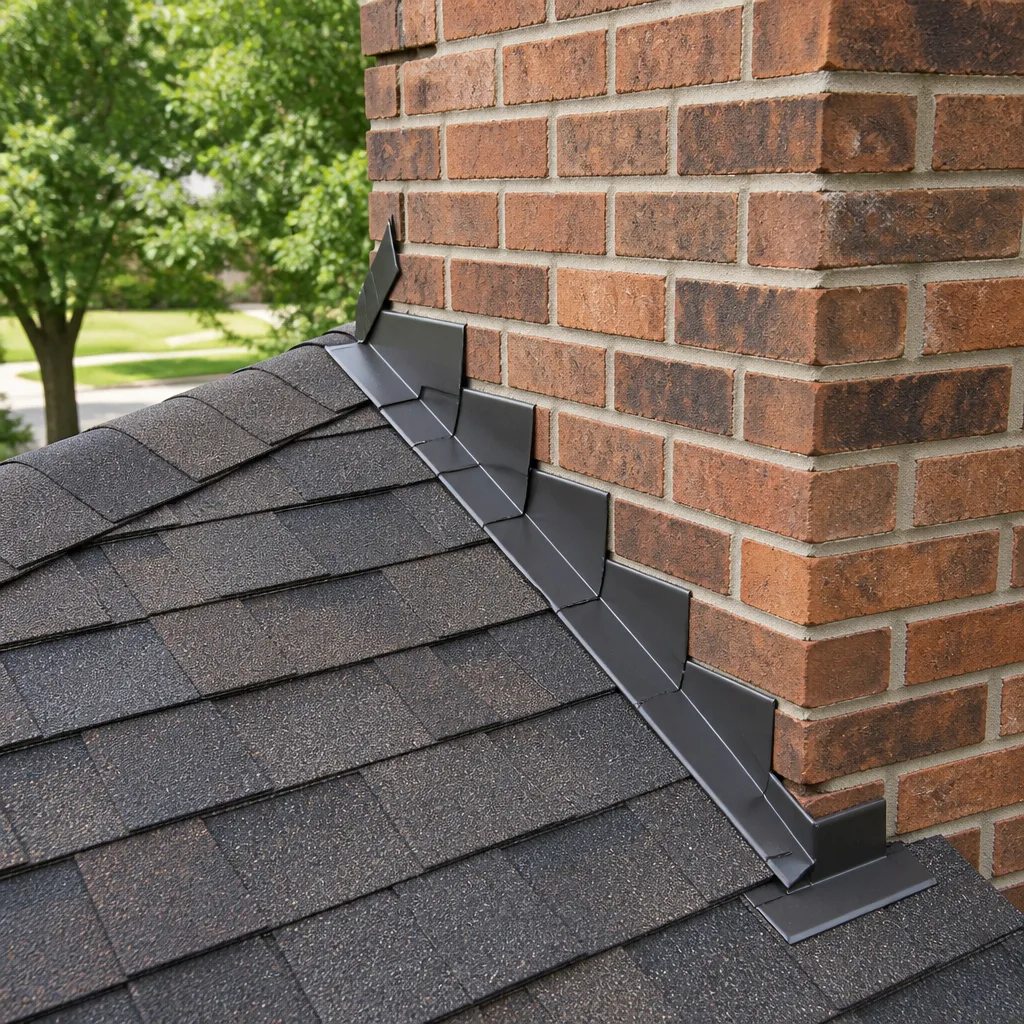
Free roof inspection with deck photos before we talk money - GAF and Owens Corning certified installation
Styles & brands we work with
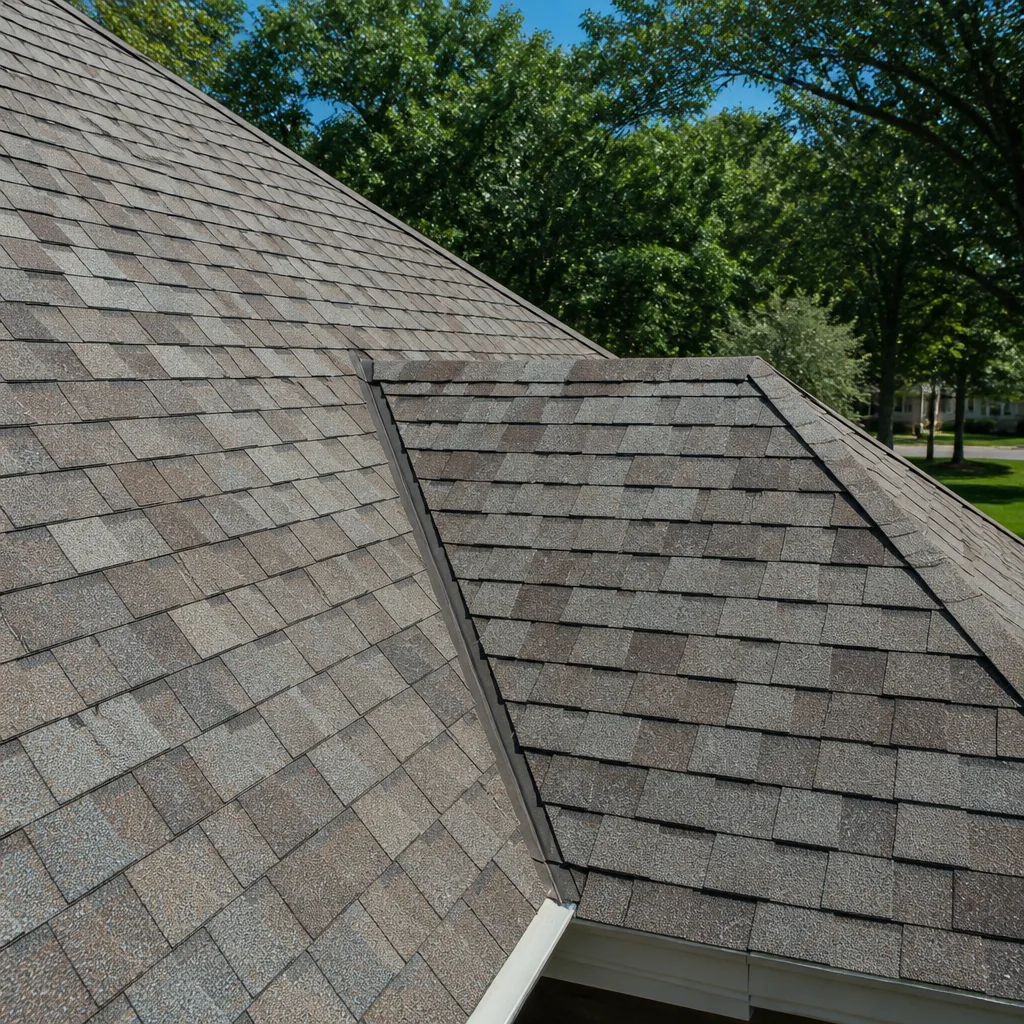
- Architectural shingles
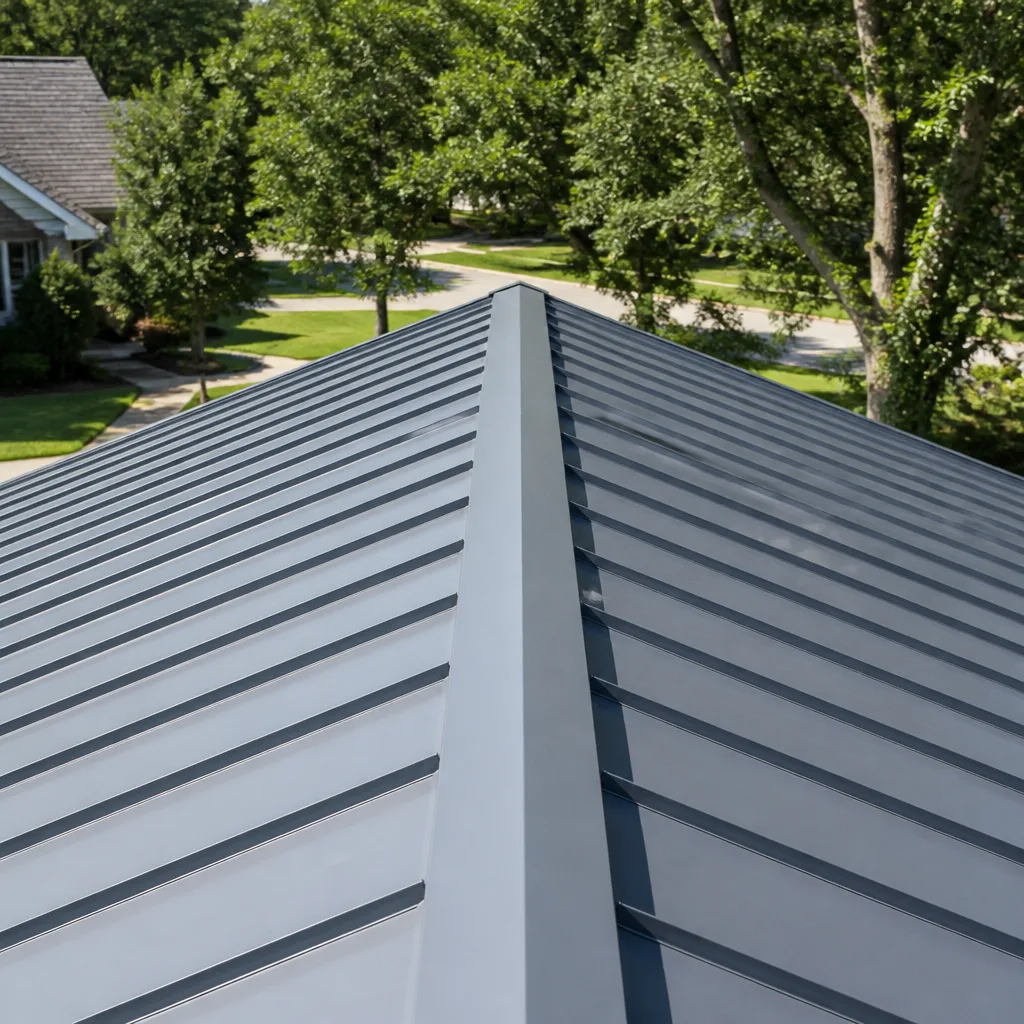
- Metal roofing
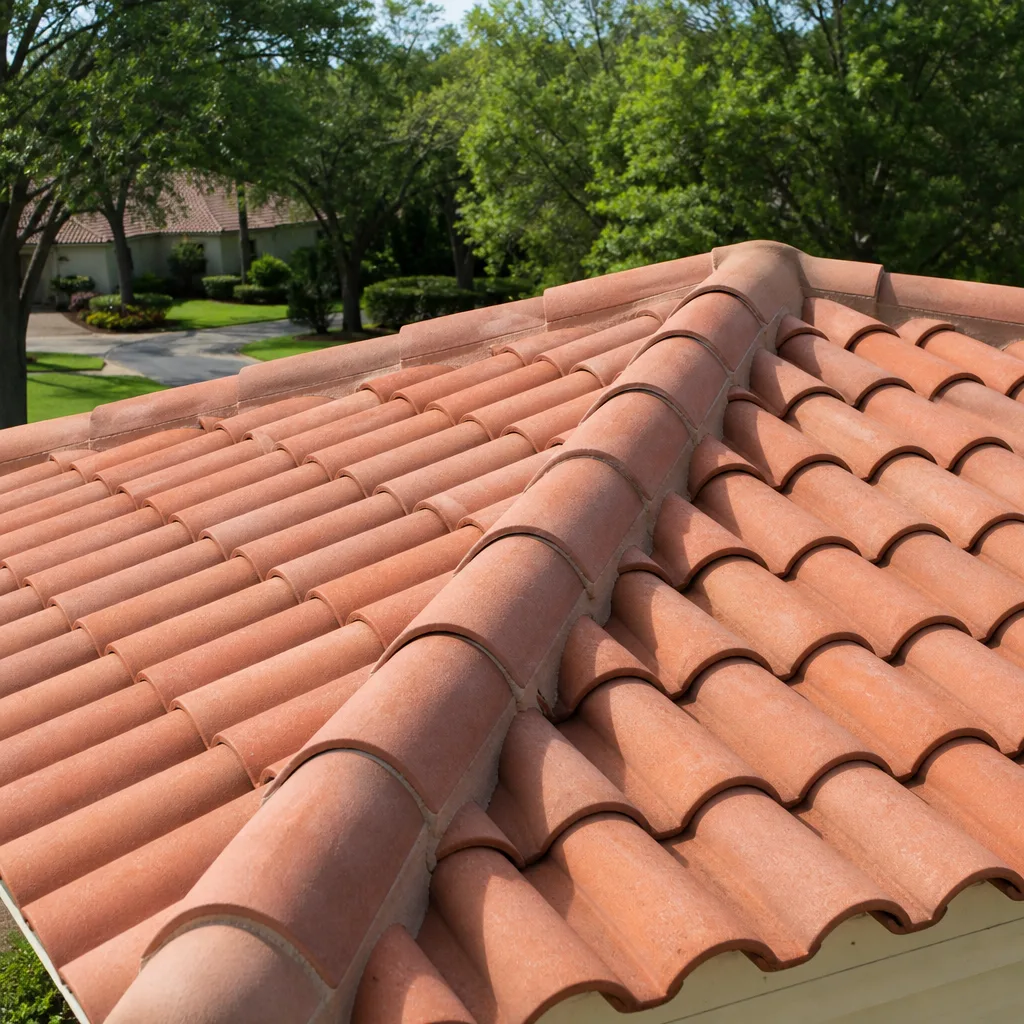
- Tile roofing
- GAF
- Owens Corning
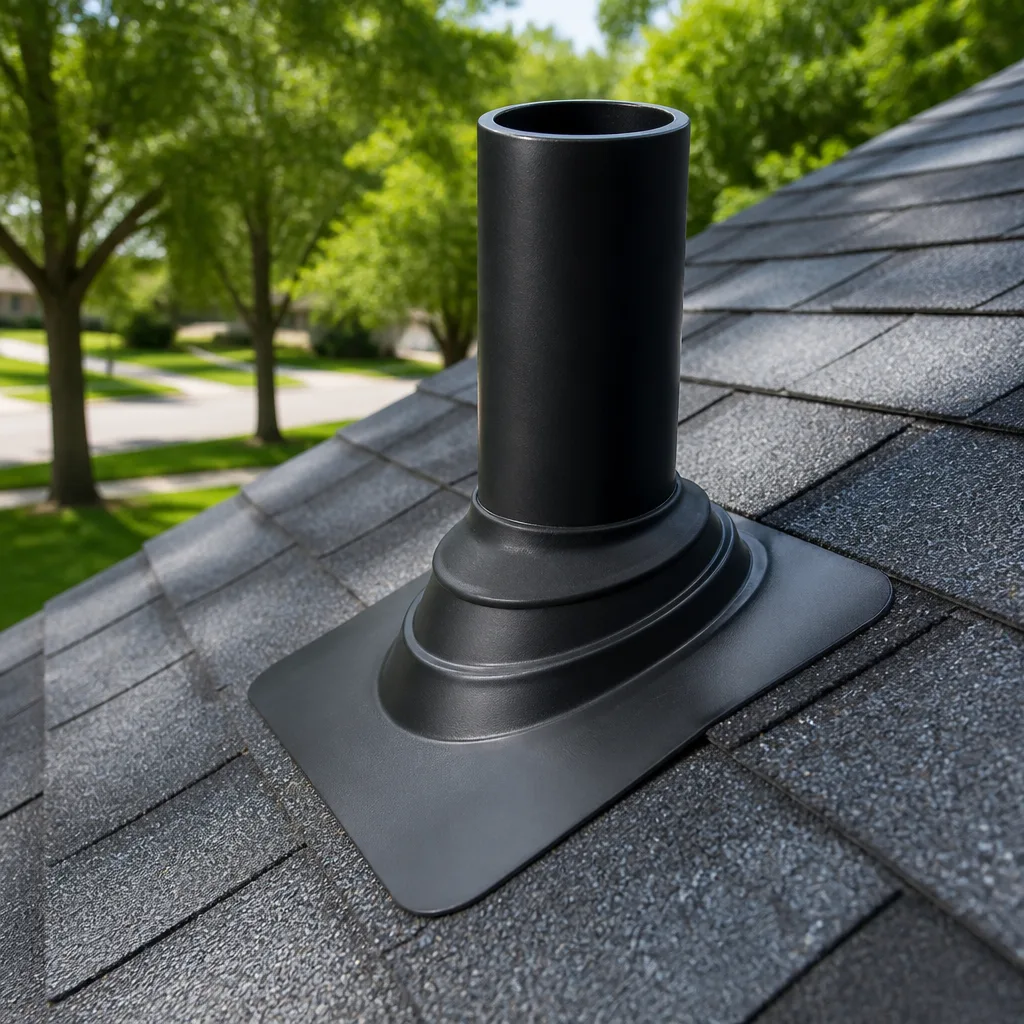
- Flat & low-slope
See the difference
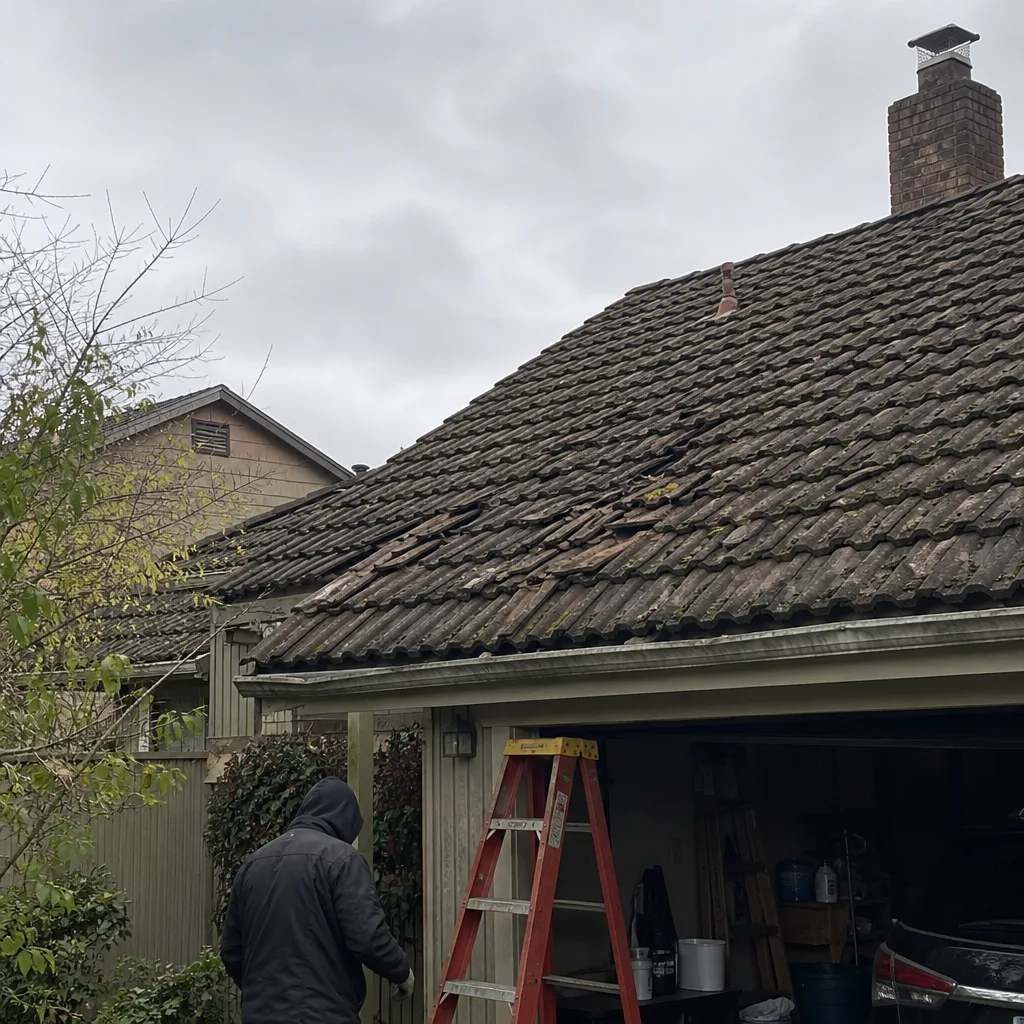 Before
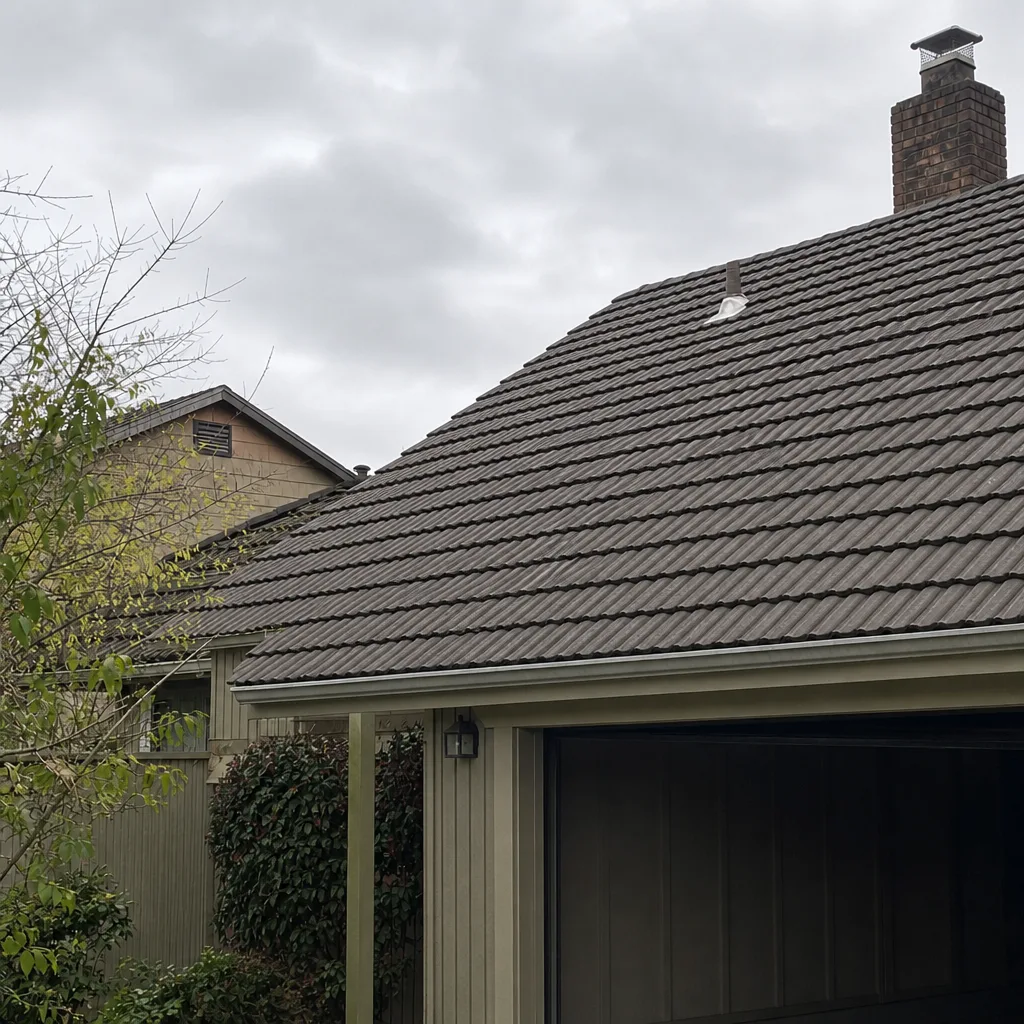 After
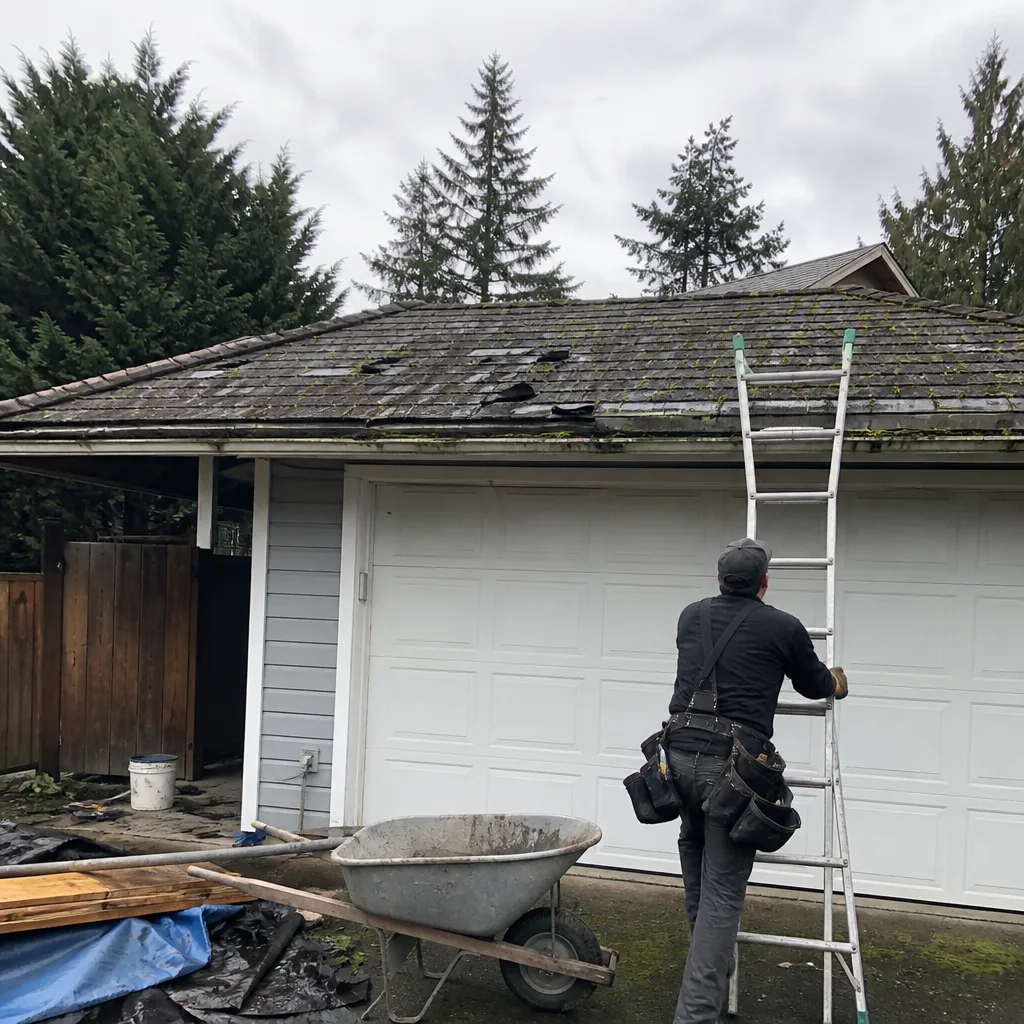 Before
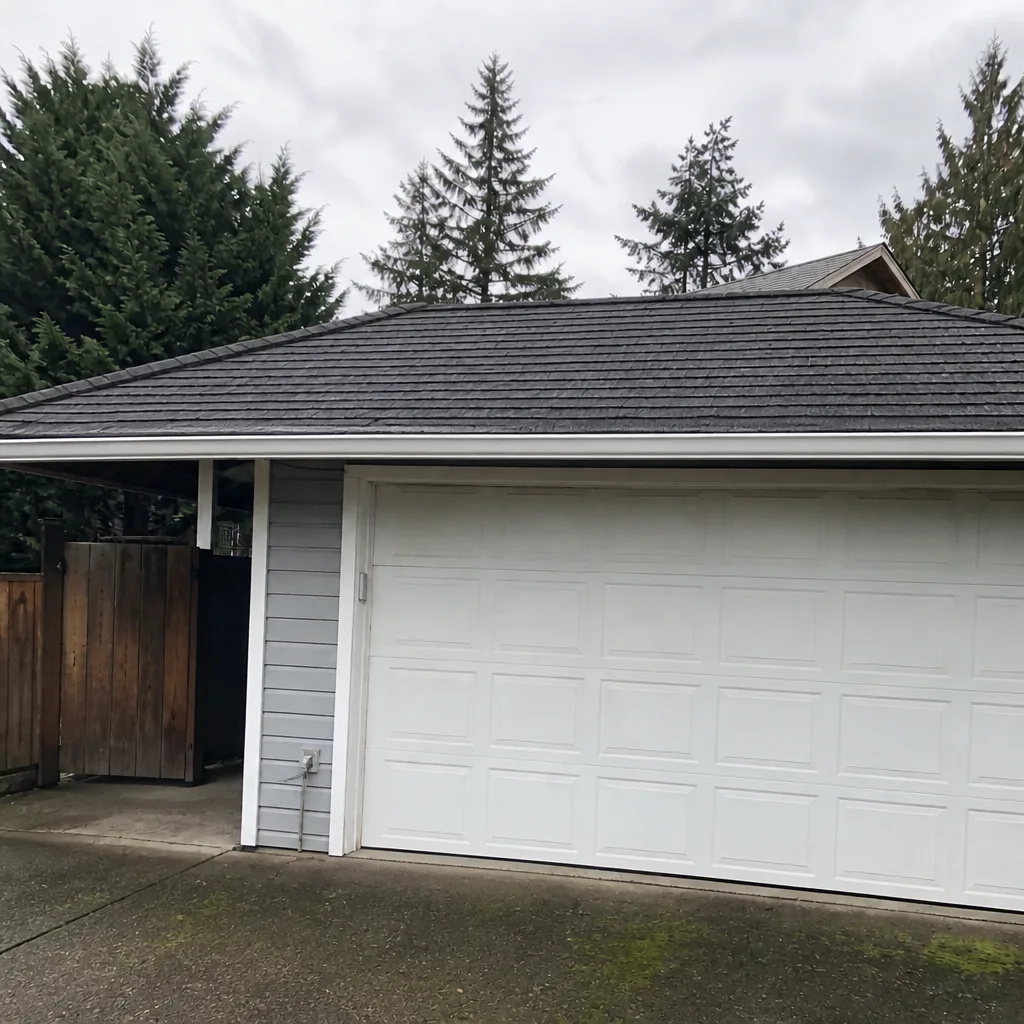 After
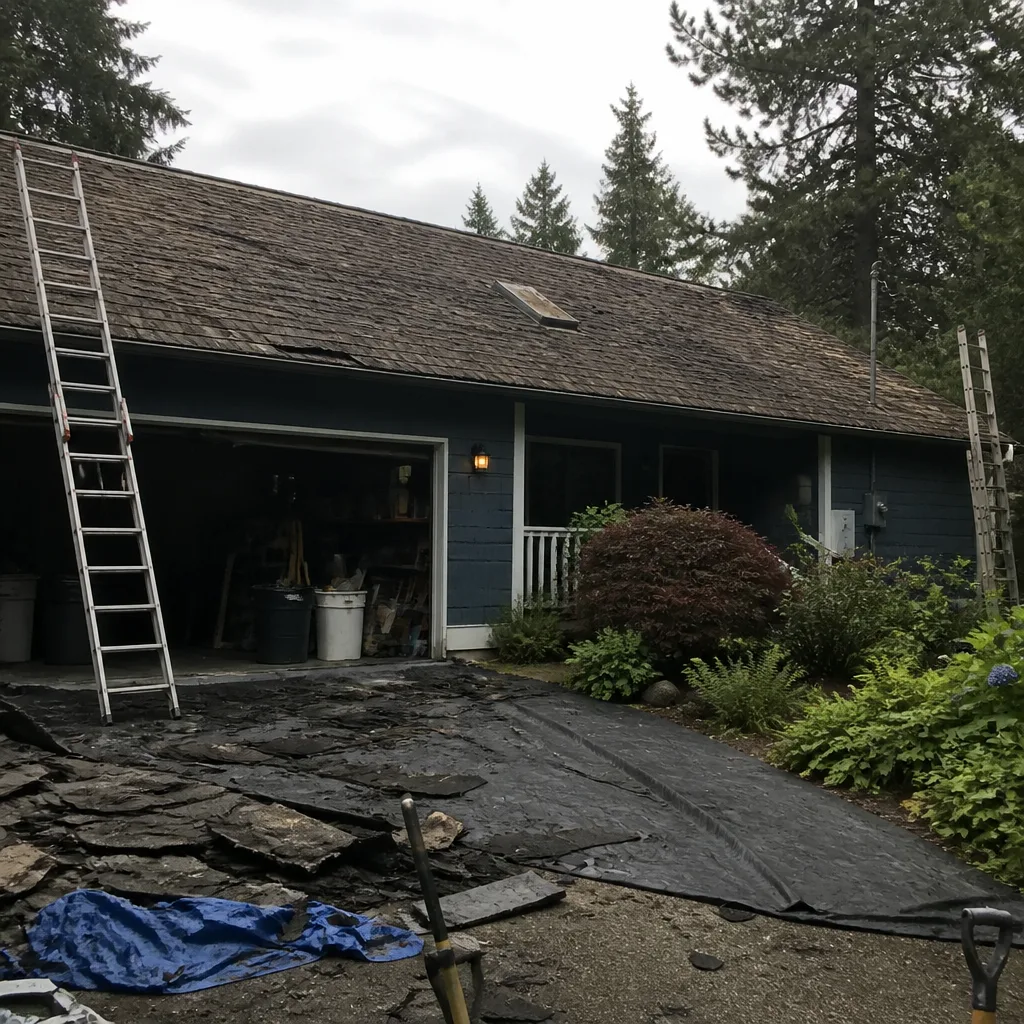 Before
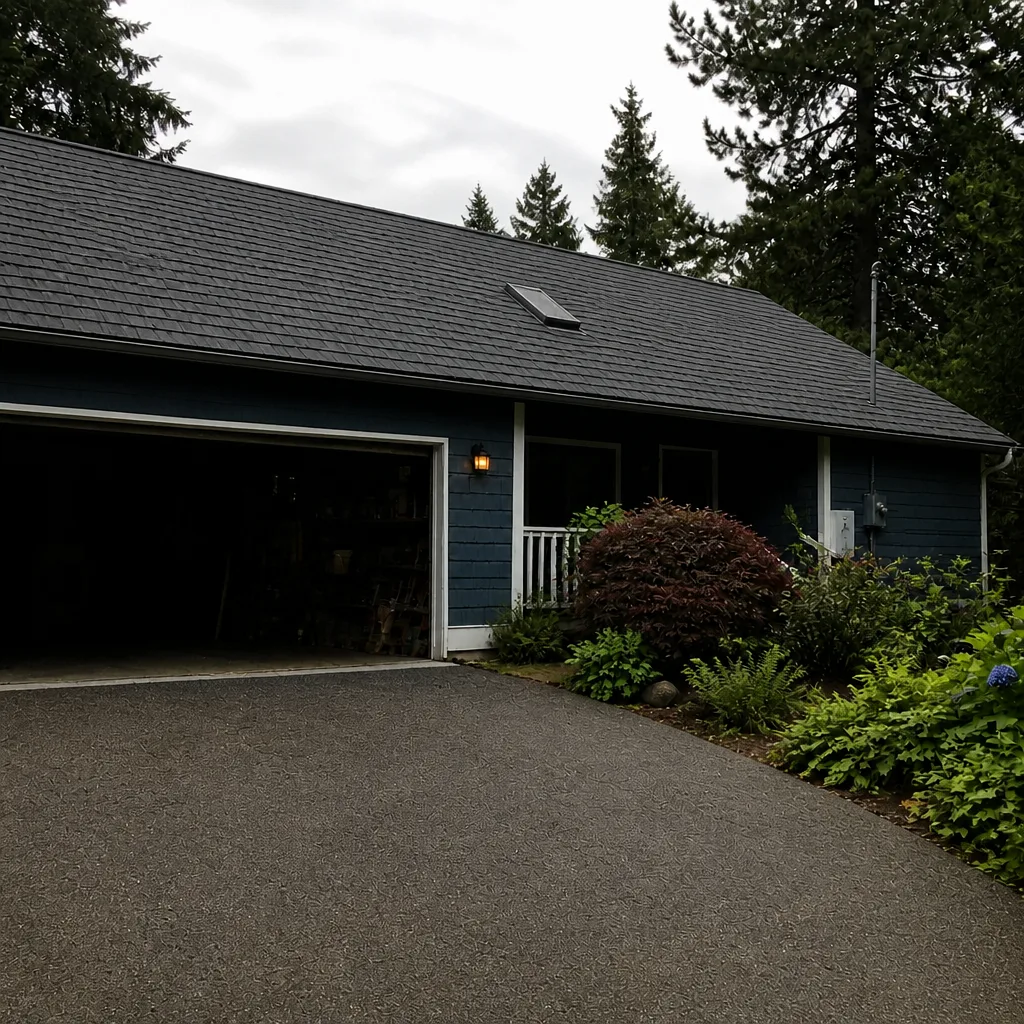 After
How Much Does Roofing Cost in Issaquah?
A full roof replacement in Issaquah typically runs $14,000 to $32,000 for an average home, with asphalt shingle at the low end around $11,000 to $19,000, tile and concrete systems at $22,000 to $38,000, and standing-seam metal at $26,000 to $46,000. Most Issaquah homes land somewhere near the middle, and the exact figure comes down to roof size, pitch, material, and how much of the existing system has to come off before the new one goes on. We give free estimates, so you can get a real number on your roof rather than a ballpark from a page.
Issaquah sits where the Issaquah Alps meet the Sammamish Valley, and that geography shapes roofing costs in ways you won’t read in a generic national guide. Tree cover shades a lot of the city, which means moss and algae grow on north-facing slopes faster here than they do a few miles east. Winter wind drives rain sideways under the right conditions, so underlayment and flashing details get more attention. None of this is exotic, but it does mean the cheapest bid you get is rarely building the same roof as the more careful one, and the difference shows up in the price.
Roofing Cost Breakdown (2026)
Here’s how the line items break down for the Issaquah market in 2026. Treat these as typical ranges for a full replacement, not a quote on your specific house.
| Line item | Typical range (Issaquah, 2026) |
|---|---|
| Asphalt shingle replacement, standard 3-tab or architectural | $11,000 – $19,000 |
| Asphalt shingle, premium architectural with enhanced manufacturer warranty eligibility | $16,000 – $24,000 |
| Concrete or clay tile replacement | $22,000 – $38,000 |
| Standing-seam or stone-coated metal replacement | $26,000 – $46,000 |
| Tear-off of existing roofing (one layer) | $2,000 – $5,500 |
| Decking repair or partial sheathing replacement | $1,000 – $4,500 |
| Underlayment and ice/water shield upgrade | $800 – $2,800 |
| Flashing at valleys, chimneys, and skylights | $500 – $2,500 |
| Ventilation correction (ridge vent, intake balance) | $600 – $2,200 |
| New gutters, if included in scope (we don’t install gutters – a note, not a line item) | Priced separately by a gutter contractor |
Broadly, three things push the number up: the material you choose, the size and complexity of the roof, and the condition of what’s underneath. A simple gable ranch in Issaquah Highlands with two roof planes and a clean single layer of shingles is a very different job from a multi-gable Kilimanjaro-era home with three valleys, two chimneys, and a cedar shake layer that has to be stripped. Both are real Issaquah homes. Both need a written estimate because the page can’t tell them apart.
Material is where most homeowners spend the most time comparing. Shingle is the most common choice here, and it’s the one that gives the widest range of grades within a single material category. Tile is heavier and needs a structure that can carry it; many Issaquah homes can, but not all. Metal lasts the longest of the three and costs the most up front, and its weight is actually a point in its favor on older homes. We work with all three, and with seven manufacturers – GAF, CertainTeed, Owens Corning, IKO, Atlas, Tamko, and Boral – so the recommendation follows the roof rather than whatever a single dealer happens to want to move. If you want the plain-language version of what each material actually does, Redmond Roofing Pros lays out the trade-offs without the sales pitch.
What Affects Roofing Pricing in Issaquah
Two bids for “the same roof” can differ by thousands, and it’s usually one of these factors doing the explaining.
- Roof size and pitch. Steep pitch is slower and more careful work, so labor climbs. Most Issaquah homes have some pitch you can’t safely walk, which means every bundle and underlayment roll gets moved by hand and staging.
- Tree cover and moss pressure. The tree canopy that makes Issaquah neighborhoods feel like a forest also shades roofs and holds moisture. That means moss growth, occasional moss removal before installation, and the case for algae-resistant shingle lines and heavier underlayment than a sunnier city would need. It also raises the odds of finding soft decking when the old roof comes off.
- Wind-driven rain and flashing detail. Western Washington rain doesn’t fall straight down. Valleys, plumbing vents, skylights, and chimney flashing take the most abuse, and the labor to detail them correctly is a real line item, not padding.
- Decking and structural condition. Older Issaquah homes in the downtown core and along the valley floor sometimes hide rot under the shingles, especially near penetrations and low-slope sections. A written estimate usually includes a contingency for unforeseen decking, because a contractor who promises “no surprises ever” hasn’t opened enough roofs.
- Architectural complexity. Dormers, multiple gables, additions built at different times, and steep multi-plane roofs all add cuts and flashing. A simple roof costs less per square than a complicated one, all else equal.
- Permits and disposal. Most cities, Issaquah included, require a permit for a roof replacement, and the fee and inspection schedule are part of the job cost. Dumpster and disposal for tear-off add another component. Ask your city’s building department what applies to your address.
How to Save on Roofing
There’s no magic coupon, but a few real moves lower the number without lowering the roof.
- Get three written estimates, itemized. A lump-sum number tells you nothing. An estimate that separates tear-off, decking, underlayment, flashing, and vents lets you compare apples to apples and see where a low bid is cutting corners.
- Fix ventilation now, not later. Balanced intake and ridge ventilation protects the roof from the inside out. It costs less to do during a replacement than to come back for.
- Choose the grade for your roof, not the showroom. Premium architectural shingles with improved manufacturer warranty eligibility are worth it for a long-term home. Standard architectural shingles are a reasonable call for a shorter ownership horizon. Neither is a mistake; overspending on a roof you’ll never benefit from is.
- Bundle small items into the replacement scope. New flashing, upgraded underlayment, and ventilation corrections are cheaper done at the same time as the roof than as a return trip.
- Ask who installs it. Top-tier manufacturer warranties from brands like GAF, CertainTeed, and Owens Corning require installation by a credentialed contractor. A cheaper installer who isn’t credentialed can cost you the warranty coverage, which is not a savings at all.
Our estimates are free, and we write them itemized. Call (425) 696-5053 to set one up. We answer 24/7 and dispatch from 7am to 7pm, Sunday through Friday.
Shingle, Tile, or Metal – Which Costs What and Why
Issaquah homeowners usually compare these three, and it helps to know where the money goes.
Asphalt shingle is the widest-used roof in the city for good reason: it’s the least expensive of the three installed, the fastest to install, and it handles Issaquah’s wet winters well when the underlayment and flashing are done right. The range within shingle itself is large – a builder-grade 3-tab and a premium architectural are both “shingle,” but they’re different products with different lifespans and different warranty tiers.
Tile – concrete and clay – is the heaviest of the three and the longest-lived in most installations. It handles moss better than shingle because the surface drains and doesn’t hold debris the same way. The catch is weight and structure: the roof frame has to carry it, and not every Issaquah home is framed for tile. If yours is, tile is worth a serious look for a long-term home.
Metal – standing-seam and stone-coated – is the most expensive up front and the most durable over time. Standing seam sheds moss, handles wind-driven rain with few penetrations, and its reflective surface helps in summer. Stone-coated metal offers a more traditional look with metal’s longevity. Both require the right fasteners and the right panel or panel profile for the pitch, which is where installer skill matters most.
We install all three, and we don’t route every recommendation back to one manufacturer. If you’d like to see how a full roof replacement is scoped and what’s included in each material category, that guide is a good next read.
Frequently Asked Questions – Roofing Cost in Issaquah
How much does a roof replacement cost in Issaquah?
A full replacement in Issaquah typically costs $14,000 to $32,000 for an average home, ranging from about $11,000 to $19,000 for standard architectural shingle to $26,000 to $46,000 for standing-seam metal. Call (425) 696-5053 for an exact estimate – estimates are free.
Is it cheaper to repair or replace my roof?
Repair is cheaper in the short run – usually $400 to $2,500 for a localized fix – but it only makes sense when the roof is otherwise sound and the problem is isolated. Once a roof is near the end of its service life or has multiple failing areas, replacement at the ranges above is the better value per year of roof. We focus on replacement and new installation, so we’ll tell you honestly if repair is the right call and point you toward a repair contractor rather than sell you a new roof you don’t need.
How much does roof replacement cost in Issaquah with tear-off and decking repairs?
Add roughly $2,000 to $5,500 for tear-off of a single existing layer and $1,000 to $4,500 for decking repairs, so a complete job with both lands around $17,000 to $40,000 depending on material and size. Your written estimate will spell out the contingency before work starts.
Do I need a permit to replace my roof in Issaquah?
Yes – most cities, Issaquah included, require a permit for a roof replacement, and the permit fee and inspection schedule are part of the job. Confirm the specifics with the City of Issaquah building department for your address. We’ll walk you through what the permit covers and what inspections apply.
Can you come today?
Same-day service is available for roofing evaluations, and we can often get an estimate scheduled quickly. Call (425) 696-5053. We answer 24/7. A call outside dispatch hours is booked into the next opening, Sunday through Friday, 7am to 7pm.
Why Issaquah Pricing Looks the Way It Does
A few local realities explain why a bid here can sit a bit higher than a flat number you’d find on a national roofing calculator.
The tree canopy is the big one. Neighborhoods like Issaquah Highlands, Klahanie, and the older streets near downtown all sit under significant shade, and shade means moss, algae, and slower roof drying. Contractors here budget for moss removal, specify algae-resistant shingles more often, and use heavier underlayment than a drier climate requires. That’s real cost, and it’s cost that buys a longer-lived roof.
Second, the terrain. Issaquah is built into the foothills of the Issaquah Alps, which means sloping lots, multi-level roofs, and access challenges that add labor. A crew moving materials across a steep lot works slower than one on a flat lot, and the bid reflects it.
Third, the housing stock is mixed. There are 1960s and 1970s homes with original decking, newer builds in the Highlands with engineered systems, and everything between. Older homes often turn up rot under the shingles when the old roof comes off, so a careful estimate carries a decking contingency. That’s honesty, not padding.
What you won’t see in our pricing is a premium for choosing a brand we don’t usually stock or a rush for a roof that genuinely needs one. We install GAF, CertainTeed, Owens Corning, IKO, Atlas, Tamko, and Boral because we want the material to fit your roof, not because we’re locked into one. That brand range also means you can ask us directly which products carry enhanced manufacturer warranty eligibility – a question a single-brand shop can’t answer as usefully.
What the Written Estimate Includes
Every estimate we write should let you see the whole job, not a single number. That means tear-off, decking contingency, underlayment specification, flashing detail, ventilation, disposal, and permit line items, plus the material grade and manufacturer so you can compare bids directly. It also means the warranty terms, and specifically which manufacturer program applies and what installer credential it depends on. Our technicians have up to 8 years of experience, and we’d rather use that experience to explain a scope in plain terms than to rush a bid past you.
If you’re comparing three bids and one is dramatically cheaper, read the scope. Somewhere in the difference is usually a thinner underlayment, a missing flashing line, or a shingle grade that won’t qualify for the manufacturer warranty you thought you were getting. We’ve written before on what a full replacement actually covers, and it’s worth a read before any contractor hands you a number.
Ready to Get a Real Number on Your Roof?
A cost guide gets you in the ballpark. A written estimate gets you the actual figure, itemized, with no upsell and no single-brand push. Call (425) 696-5053. We answer 24/7. Fast dispatch from 7am to 7pm, Sunday through Friday. Estimates are free, and we install shingle, tile, and metal so the recommendation fits the roof you have.
Pricing reflects the Issaquah market as of 2026. Redmond Roofing Pros offers free estimates – call (425) 696-5053.
Written by the team at Redmond Roofing Pros.
What Our Customers Say
"Roof is solid and the price was competitive. The job ran a day over because of weather, which is nobody's fault, but I would have liked a call about it rather than noticing nobody had shown up."
- Raj Patel"Added a ridge vent and cleared the blocked soffit vents. Attic temperature in the summer dropped noticeably and the upstairs is livable now."
- Neil Shah"Full replacement after the hail. They handled the insurance adjuster meeting, documented everything, and I did not have to argue with anybody. They were here three days and the yard was cleaner when they left than when they started."
- Yolanda Mendoza