Last updated November 25, 2026
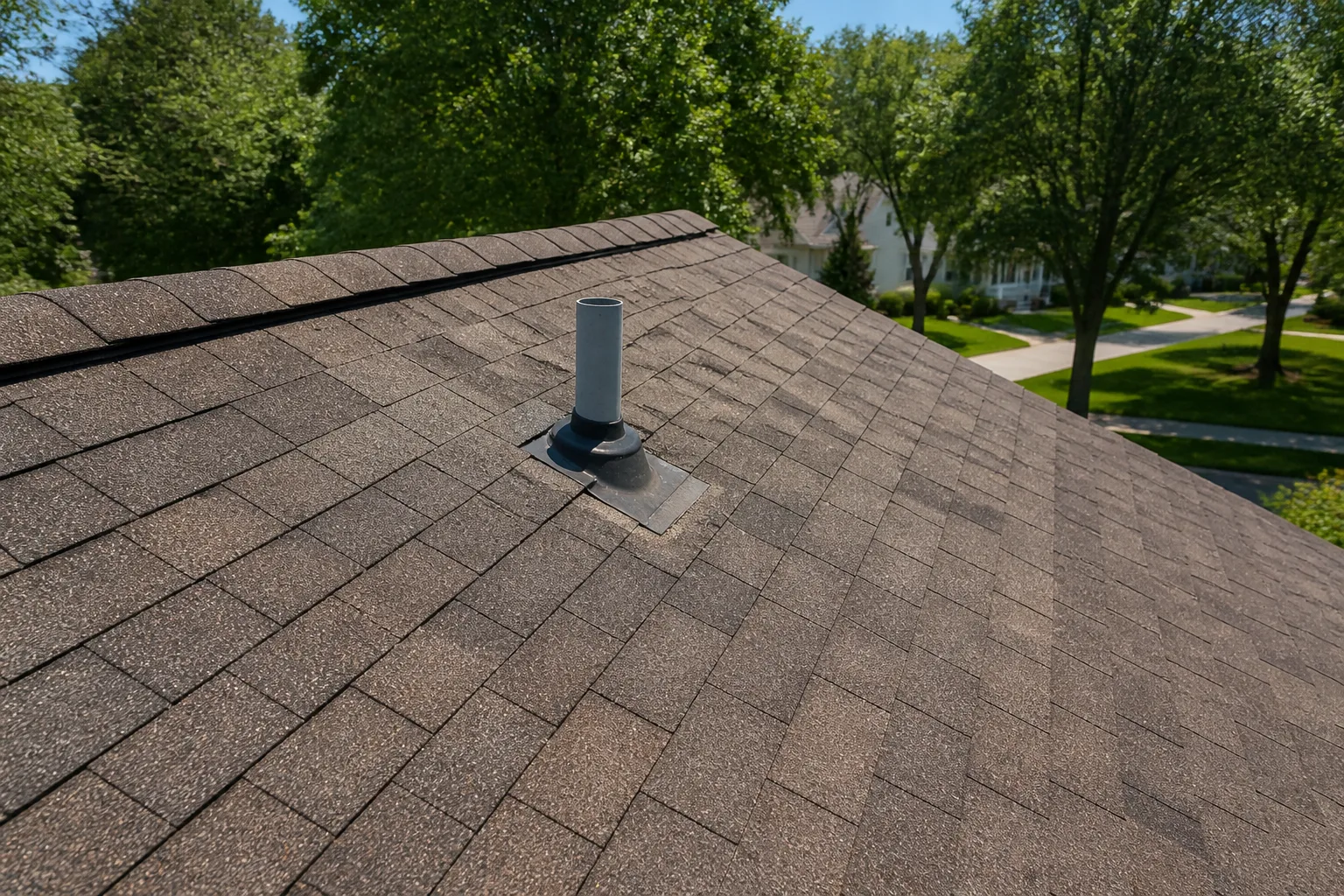
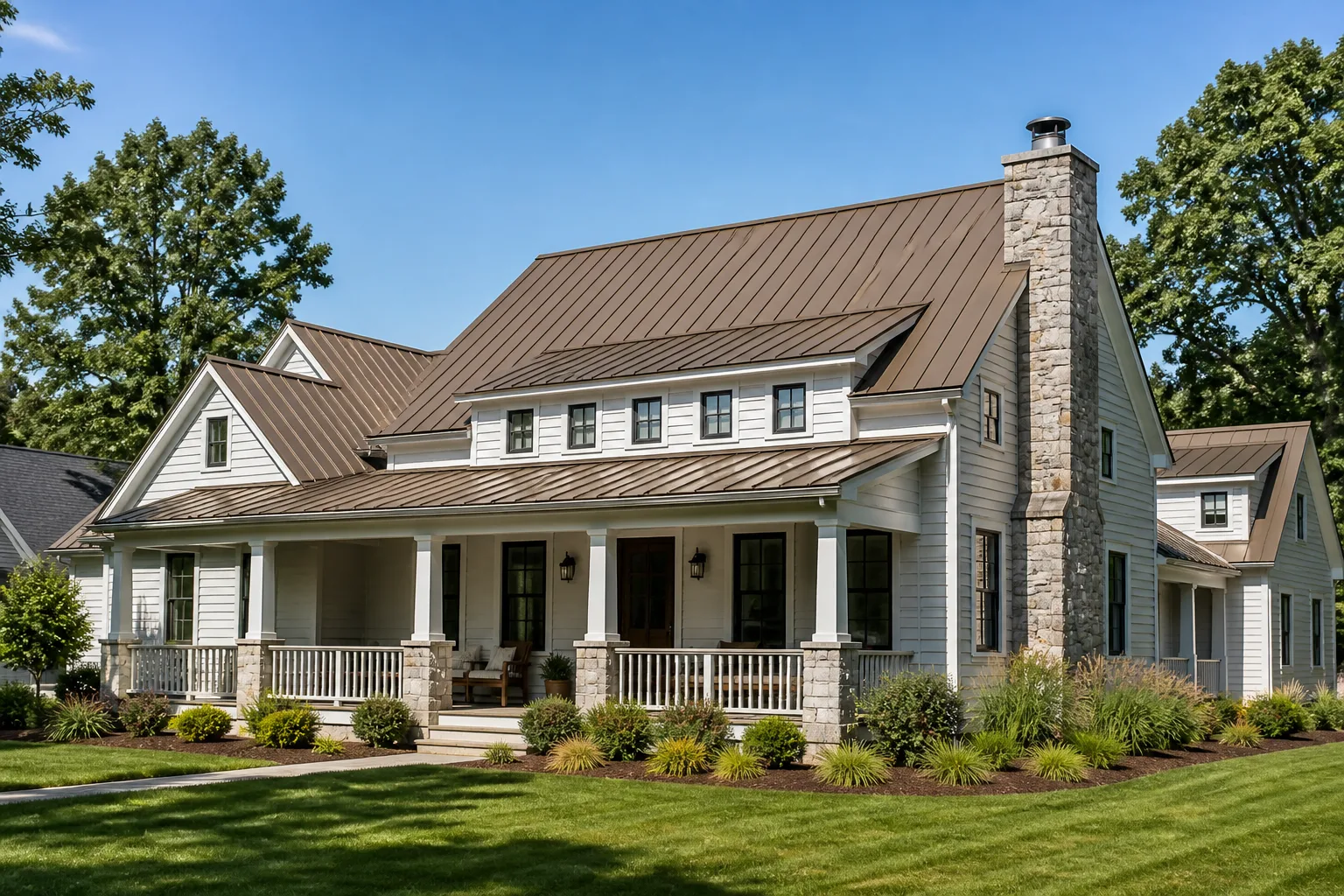
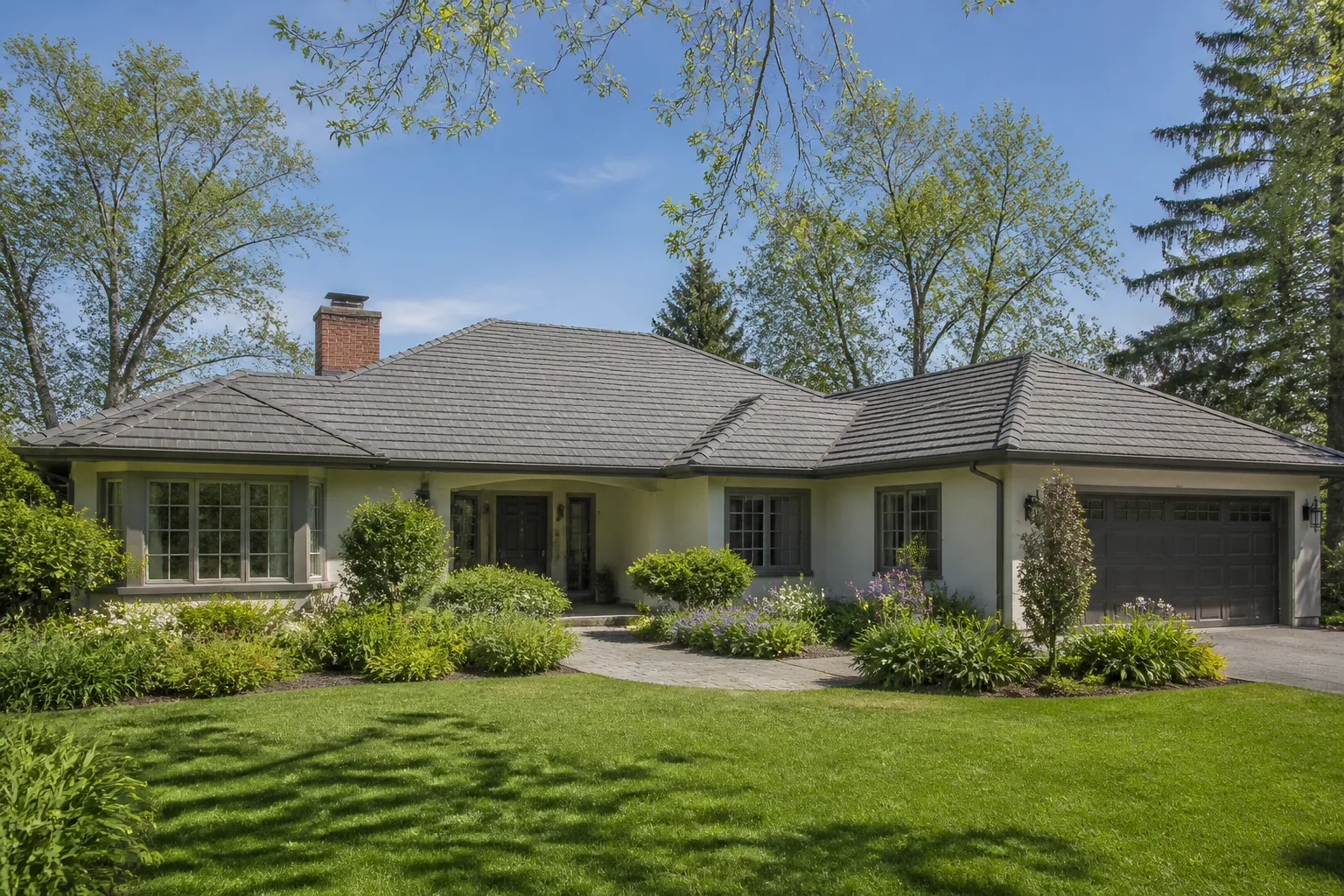
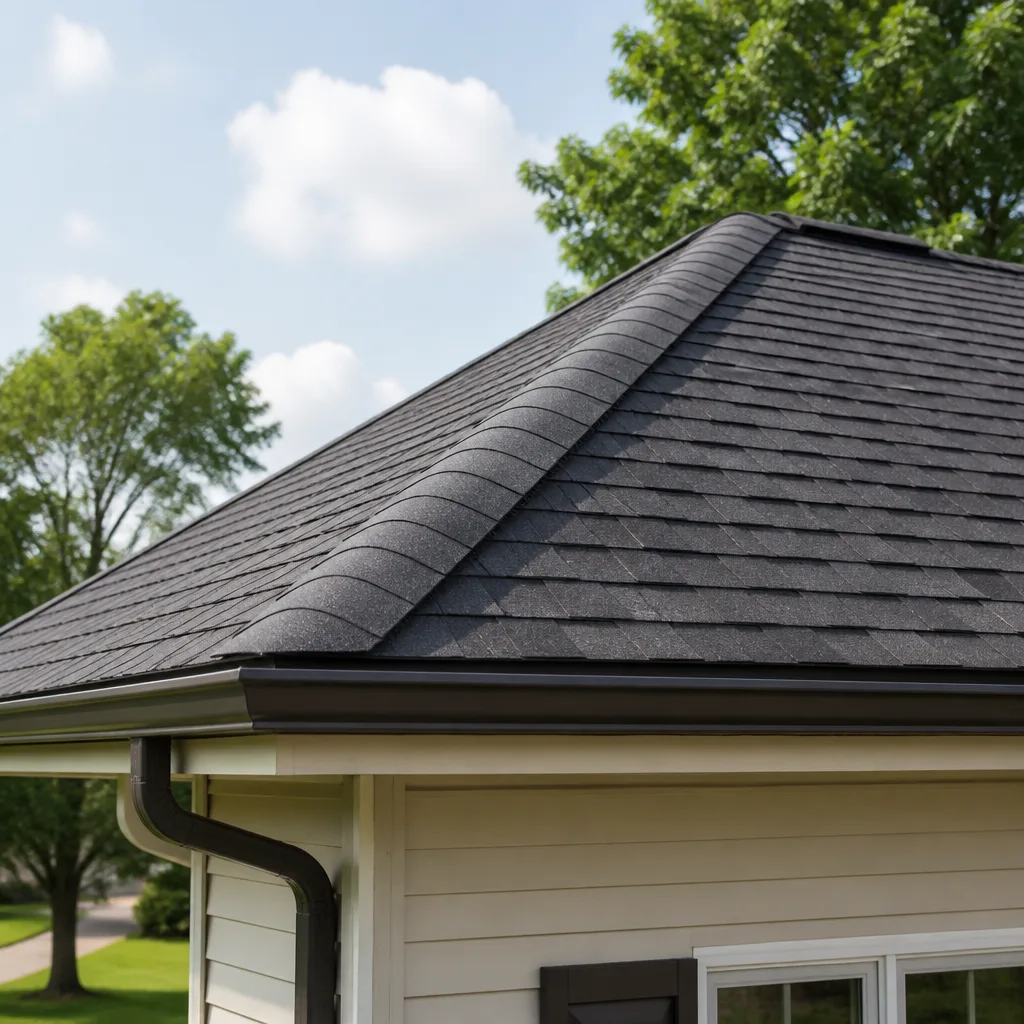
Free roof inspection with deck photos before we talk money - GAF and Owens Corning certified installation
The Complete Guide to Roofing in Redmond
Most roofing guides written for “the Pacific Northwest” are really written for Seattle. That matters more than it sounds. Redmond sits higher, holds more tree cover, and swings through sharper temperature cycles than the city most of that advice comes from. The roof that performs beautifully on a flat Bellevue lot can underperform on a Redmond hillside shaded by mature conifers. Shingle grades that pass muster in Seattle’s milder microclimate can shorten their service life here, and underlayment choices that seem like an easy place to save money tend to be the first thing to give out.
This guide maps the real roofing decisions in Redmond – material, grade, underlayment, pitch, and warranty – to the conditions the roof will actually live through. You’ll learn how our local climate differs from the region’s default advice, which surfaces resist moss and algae longest, and how to compare systems honestly.
Quick Answer
Roofing in Redmond means matching material to a wet, shaded, freeze-thaw climate: architectural asphalt shingles with algae-resistant granules, a properly specified synthetic underlayment, and attention to pitch and snow load are the baseline for most homes. Concrete or clay tile and standing seam metal last longer and resist moss better, at a higher upfront cost. The right answer depends on your home’s pitch, canopy exposure, and how long you intend to stay. Here at Redmond Roofing Pros we install shingle, tile, and metal systems and work with seven leading manufacturers, so the recommendation fits the roof rather than our inventory.
Styles & brands we work with
- Architectural shingles
- Metal roofing
- Tile roofing
- GAF
- Owens Corning
- Flat & low-slope
Table of Contents
- How Redmond’s Microclimate Differs from Seattle
- Moss and Algae Under the Conifer Canopy
- Roof Pitch, Snow Load, and Hillside Homes
- Impact Resistance and Storm Damage
- Material Longevity Compared
- Warranties and Installer Credentials
- What a Replacement Actually Involves
- How to Compare Roofing Estimates in Redmond
How Redmond’s Microclimate Differs from Seattle
Redmond’s roof conditions aren’t Seattle’s. The city sits inland and higher, which means colder winter lows, faster freeze-thaw cycling, and conifer cover that keeps roof surfaces damp far longer than an open urban lot. Seattle’s default advice is tuned to a milder, more open environment. Applied in Redmond without adjustment, it leaves homeowners choosing materials that age faster than expected.
The practical differences you’ll notice on your own roof:
- More shade, less drying: Mature Douglas fir and cedar canopies block sun and hold moisture against shingles for longer. Surfaces that dry quickly on an open lot stay wet under a tree.
- Sharper temperature swings: Inland, higher ground gets colder nights and warmer days. That repeated expansion and contraction is hard on sealant, flashing, and the shingle mat itself.
- Snow load reality: Higher-elevation Redmond properties see more of it than valley-floor homes a few minutes away. A material spec that works on the flats isn’t automatically right on a slope.
- Higher wind exposure: Hillside and ridge-line properties catch more wind than sheltered lots, which is why fastener patterns and edge metal matter more than they seem to.
None of this means Redmond homes need exotic roofing. It means the minimums are higher than the regional default. In our experience, the homeowners who avoid problems are the ones who let their roof’s actual exposure set the spec, not a generic recommendation. Very few roofing companies install all three material categories. We install shingle, tile, and metal, so we can walk you through the trade-offs without steering you toward one product.
Moss and Algae Under the Conifer Canopy
Moss and algae are the quiet threats to a Redmond roof. Under conifer canopy, shingle surfaces stay damp long enough for biological growth to take hold, and once it does it holds even more moisture against the mat. The damage isn’t cosmetic. Moss roots work under shingle edges, lifting them and trapping water that then finds its way toward the deck.
Which surfaces resist biological growth longest? The short answer:
- Algae-resistant asphalt shingles: Copper-infused granules slow the streaky algae staining common on north-facing shingles. This is a real upgrade over standard granules, not a marketing line, and it’s worth insisting on in Redmond.
- Standing seam metal: The smoothest surface, so moss and algae have the hardest time attaching. It sheds water and any debris most readily, which is why metal roofs under heavy canopy need the least biological maintenance.
- Concrete tile: Concrete tile resists growth better than asphalt at the surface but still collects debris in the field. Tile also tends to perform better on steeper pitches where water sheets off faster.
- Standard 3-tab and uncoated asphalt: The most vulnerable. If your roof is shaded and older, this is where moss shows up first.
Tell us a roof is “in Redmond” and we start thinking about (1) whether green streak and moss are likely and (2) how much shade your specific lot holds. The product brands matter less than the spec: we work with products from manufacturers like GAF and Atlas, including their algae-resistant lines, and can show you the difference. Shade, slope, and proximity to trees usually change the recommendation more than brand preference does.
Roof Pitch, Snow Load, and Hillside Homes
Pitch decides a lot in Redmond. Roofs at lower slopes drain more slowly, and a slower-draining surface in a wet climate is where leaks start. On steeper pitches, water moves off quickly and the material faces less standing moisture. That’s why two Redmond homes with the same square footage can need very different roofing specs.
Snow load adds a second layer, and it isn’t uniform across the city. Properties at higher elevation toward the surrounding hills carry more load than valley-floor homes a few minutes away. A roof that’s fine on the flats can be underspecified on a slope, especially where pitch is low enough that snow doesn’t shed on its own.
What to look at before you choose a material:
- Slope: Low-slope sections shorten the list of suitable products and raise the importance of underlayment and sealing.
- Elevation and exposure: Homes on higher ground and ridge lines carry more snow and wind. Both push you toward heavier material and better fastening.
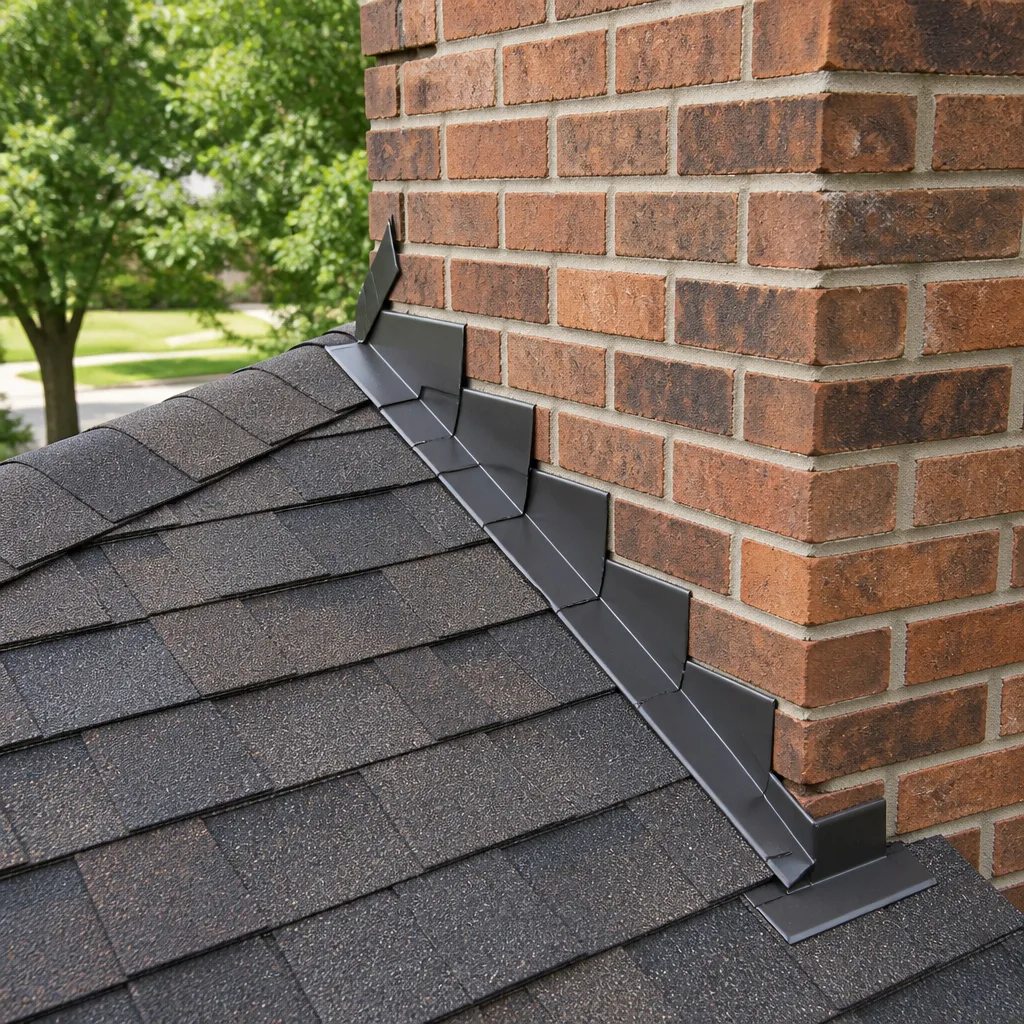
- Valleys and roof geometry: Complex rooflines with multiple valleys concentrate runoff. Flashing detail here decides whether a nice-looking roof leaks.
- Deck condition: Pitch and material weight are only half the story. The deck has to be sound, and a replacement is the right time to check it.
If you’re not sure of your roof’s pitch, that’s fine. It’s part of what an on-site evaluation establishes. Our technicians have up to 8 years of experience, and getting pitch and load right is core to a roof that lasts. If you want the full picture on replacing an aging roof, see our roof replacement page for the process and what to expect.
Impact Resistance and Storm Damage
Hail isn’t a big Redmond problem. That’s the honest version. Hail does reach the area occasionally, but it isn’t the defining threat the way it is in parts of the country where impact resistance is a standard requirement. So is a Class 4 impact-resistant shingle worth the premium here? Sometimes, but for reasons that have more to do with wind-borne debris and conifer limb fallout than hail.
When impact resistance earns its price in Redmond:
- Under mature conifers: Falling limbs and cones strike roofs more often than hail does. A tougher shingle surface takes that abuse better.
- High-wind exposure: Ridge-line and hillside homes face more wind-driven debris. Impact-rated shingles also tend to bring stronger wind ratings.
- Wind-uplift rating: For Redmond, wind rating usually matters more than impact rating. A shingle with a strong uplift rating and proper nailing pattern survives a winter gale; a shingle with neither doesn’t.
The honest trade-off: Class 4 shingles cost more upfront, and the wind-rating and fastener spec on the same product often matters more here than the impact label. If your roof is shaded, high, and windy, tell us the details and we’ll point to the layer that matters. If you’re building or re-roofing from scratch, our new roof installation page covers how the system comes together.
Material Longevity Compared
Which roofing system actually lasts longest in Redmond? The honest ranking runs metal and concrete tile ahead of asphalt, but the gap depends on how the roof is installed and how exposed it is. Here’s how the three common systems compare on the things Redmond roofs actually face.
- Asphalt 3-tab: The entry-level choice, with the shortest service life of the three. Vulnerable to moss, algae, and freeze-thaw. Best for budget-conscious projects on simple, well-ventilated roofs.
- Architectural asphalt: Thicker, heavier, longer-lived than 3-tab, and available with algae-resistant granules. The standard choice for most Redmond homes and the sweet spot between price and durability.
- Standing seam metal: Longest service life of the three, with the best moss and algae resistance and the smoothest shedding of debris. Costs the most upfront and needs careful installation detail on complex rooflines.
- Concrete or clay tile: Very long-lived and resistant to biological growth, with strong performance on steeper pitches. Heavier, so the roof structure and fastening have to be right, and the upfront cost is high.
How you install it matters as much as which material you pick. A well-specified architectural shingle installed with a good synthetic underlayment will outlast a premium product installed carelessly. Our shingle roofing page covers the grades and specifications in more detail. If your roof is shaded by trees, on a hillside, and you’re staying put for the long haul, metal or tile can justify the premium. If not, a solid architectural shingle with algae-resistant granules is often the sensible choice. What we don’t do is push one product for its margin. We install from manufacturers including GAF, CertainTeed, Owens Corning, IKO, Atlas, Tamko, and Boral, so the material is chosen from your home’s needs and budget.
Warranties and Installer Credentials
Manufacturer warranty coverage depends on who installs it. That’s the single most overlooked truth in roofing. Most people compare shingle brands and skip the question of whether the installer is credentialed for the manufacturer’s top-tier coverage. The result: they buy a premium product that’s only covered under a weaker warranty tier.
What to understand before you sign:
- Warranty tiers are installer-dependent. Top-tier and enhanced warranties from brands like GAF, CertainTeed, and Owens Corning typically require installation by credentialed contractors. The product alone doesn’t unlock that coverage.
- Product coverage and labor coverage are separate. Manufacturer warranties cover the material. Labor coverage depends on the installer. A great shingle installed poorly still leaks.
- Registration matters. Many manufacturer warranties require registration after installation. Confirm who handles that so you don’t discover a gap later.
- Transferability varies. Some warranties transfer to a new owner, which matters if you plan to sell. Ask before you buy.
None of this is a guarantee. Warranty claims are evaluated by the manufacturer against their own terms, and we frame coverage that way. What we can do is make sure the installation meets the manufacturer’s requirements so the warranty you’re relying on is valid in the first place. Our brand access isn’t about pushing one line. It’s about having the credentialed pathways to the coverage that matters. For the full picture, “roof replacement” advice from a single-brand contractor almost always stops where the warranty questions begin. This is where we start.
What a Replacement Actually Involves
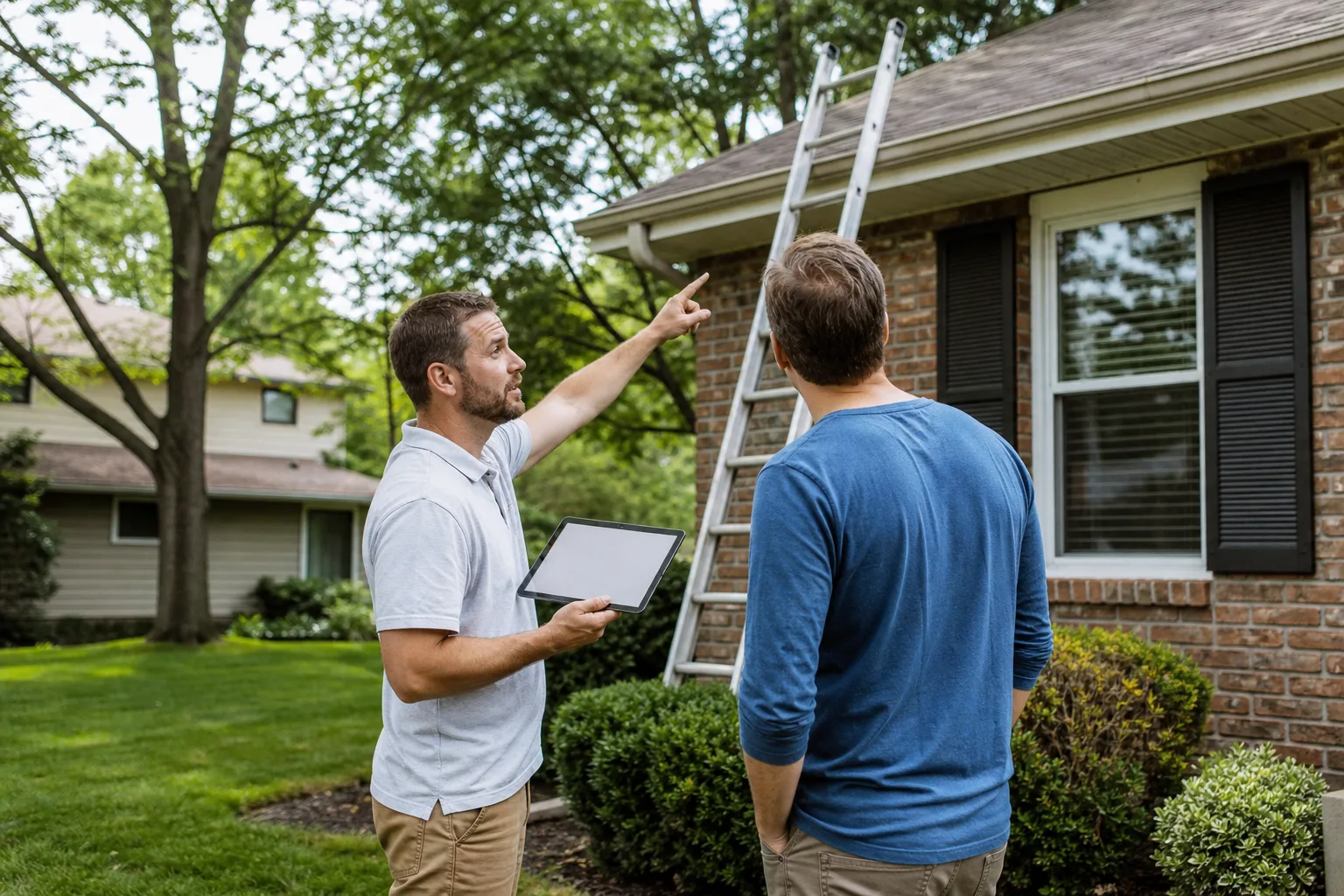
A roof replacement in Redmond follows a sequence, and knowing it helps you compare bids fairly. Most projects start with an on-site evaluation of the roof, pitch, deck, flashing, and ventilation. That evaluation is what produces a written line-item estimate, not a round number over the phone.
- Inspection and measurement: We assess pitch, deck condition, current material, ventilation, and flashing details.
- Written estimate: A line-item quote covering the material, underlayment, flashing, fasteners, and labor. This is the price.
- Permits: Roofing usually requires a permit, and permit requirements vary by jurisdiction. Ask your city’s building department, and confirm who pulls it on your bid.
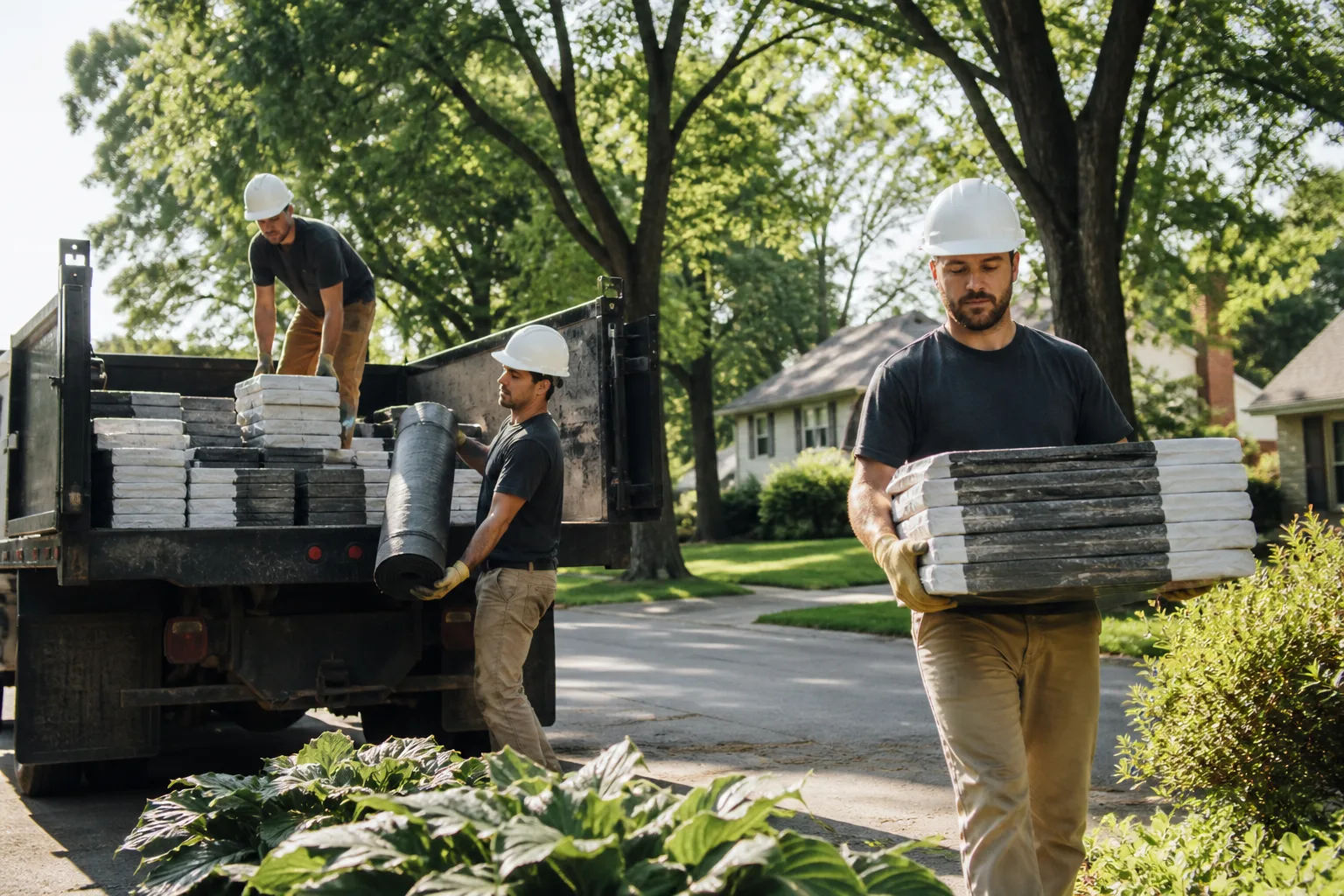
- Tear-off and deck check: Existing roofing comes off and the deck gets inspected. Rotted sections are identified and priced before work continues.
- Underlayment and flashing: The moisture barrier goes down, followed by flashing at valleys, walls, and penetrations. This is where leaks are prevented.
- Material installation: Shingle, tile, or metal goes on per the manufacturer’s spec, including fastener pattern and ventilation.
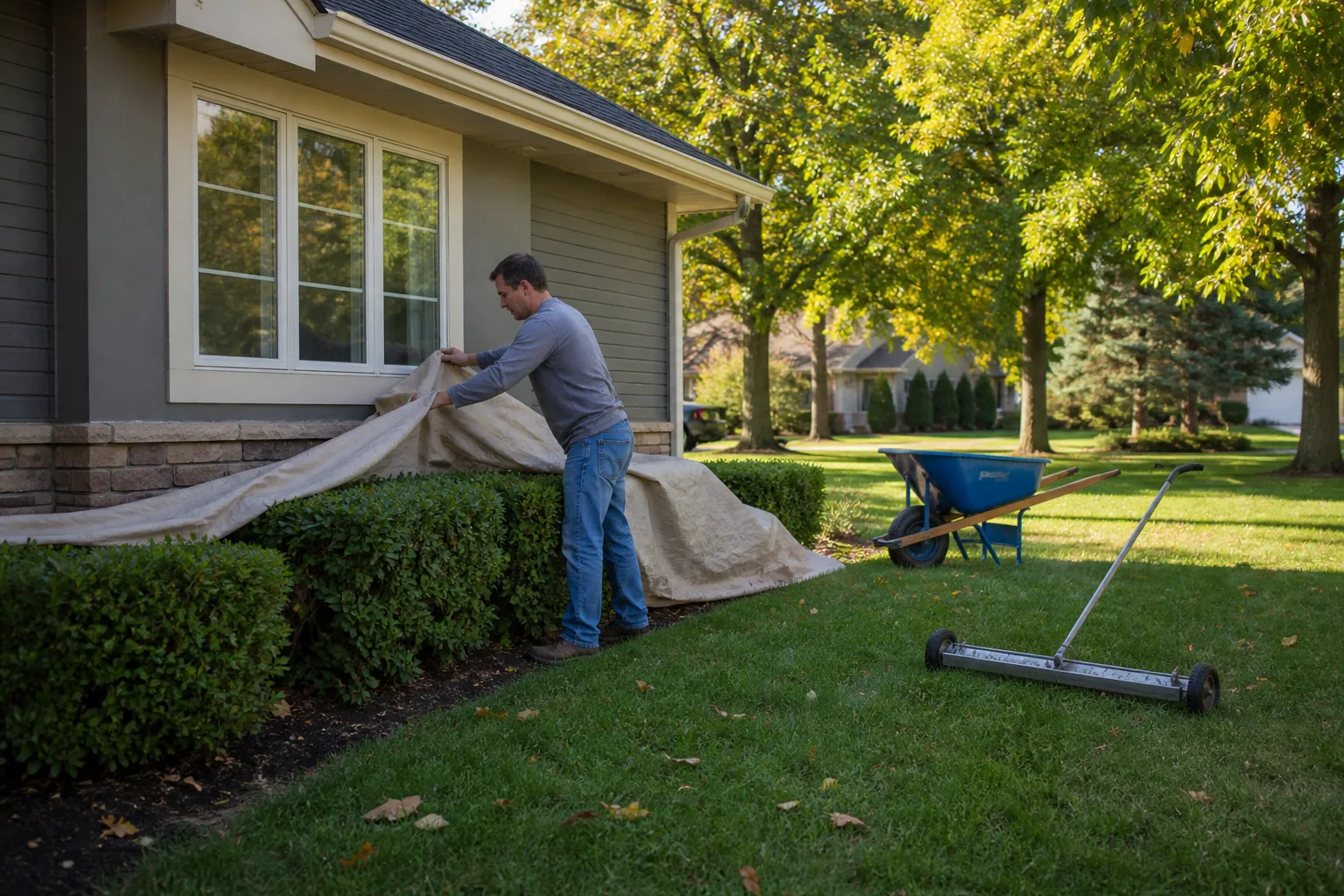
- Final inspection and cleanup: The job is inspected, the site cleaned, and warranty registration handled.
A typical Redmond job runs on a timeline that depends on roof size, material, and weather. Metal and tile take longer than asphalt. We’ll give you a realistic estimate, not a guess designed to win the bid. If you’re weighing a full replacement against living with the roof you have, that’s a conversation worth having early.
How to Compare Roofing Estimates in Redmond
Comparing roofing estimates is where most homeowners get hurt. Bids that look identical on the bottom line can differ wildly on what’s included: underlayment quality, flashing, ventilation, permit handling, and warranty registration. A low bid is often low because it strips out the parts that fail first in a wet, shaded climate.
What to compare line by line:
- Material spec: Exact product, grade, and whether algae-resistant granules are included. “Architectural shingle” alone tells you nothing.
- Underlayment: Synthetic versus felt, and how it’s specified on low-slope sections. This is a common hidden difference.
- Flashing and ice-and-water shield: Confirm it’s included at valleys and penetrations, not treated as an add-on.
- Permits: Who pulls them and who pays. Ask, because some bids leave them out.
- Deck repair: How deck damage is priced. Confirm the unit price in advance so it isn’t discovered mid-job.
- Warranty: The tier, labor coverage, and who registers the claim.
Redmond sits in a region where the climate amplifies the consequences of cutting corners, so a comprehensive scope is what protects you. The written estimate sets the final price, and a good one is line-item. It’s also free. Reach out and we’ll put one together for your roof.
Common Mistakes to Avoid
- Choosing material for Seattle’s climate, not Redmond’s. Advice written for the city’s milder, more open microclimate underspecifies underlayment and algae resistance for a shaded Redmond lot.
- Skipping algae-resistant granules to save a little. On north-facing shingles under canopy, that upgrade decides whether your roof looks streaked and mossy in the next few years.
- Comparing bids on price alone. A low bid that leaves out ice-and-water shield, flashing, or permit handling is not a cheaper roof, it’s a smaller roof.
- Ignoring the installer behind the warranty. Top-tier coverage from brands like GAF, CertainTeed, and Owens Corning requires credentialed installation, so the installer matters as much as the shingle.
- Assuming hail is the big threat here. Wind and limb damage are more likely than hail in Redmond. Spec for wind uplift and structural soundness before you add impact protection.
- Underestimating shade and pitch. Heavy conifer cover and steep or low-slope roofs change the correct material, and a generic recommendation misses that.
- Treating a repair as a permanent fix. A spot fix on a roof past its service life just pushes the replacement out. It’s worth knowing where that line is.
See the difference
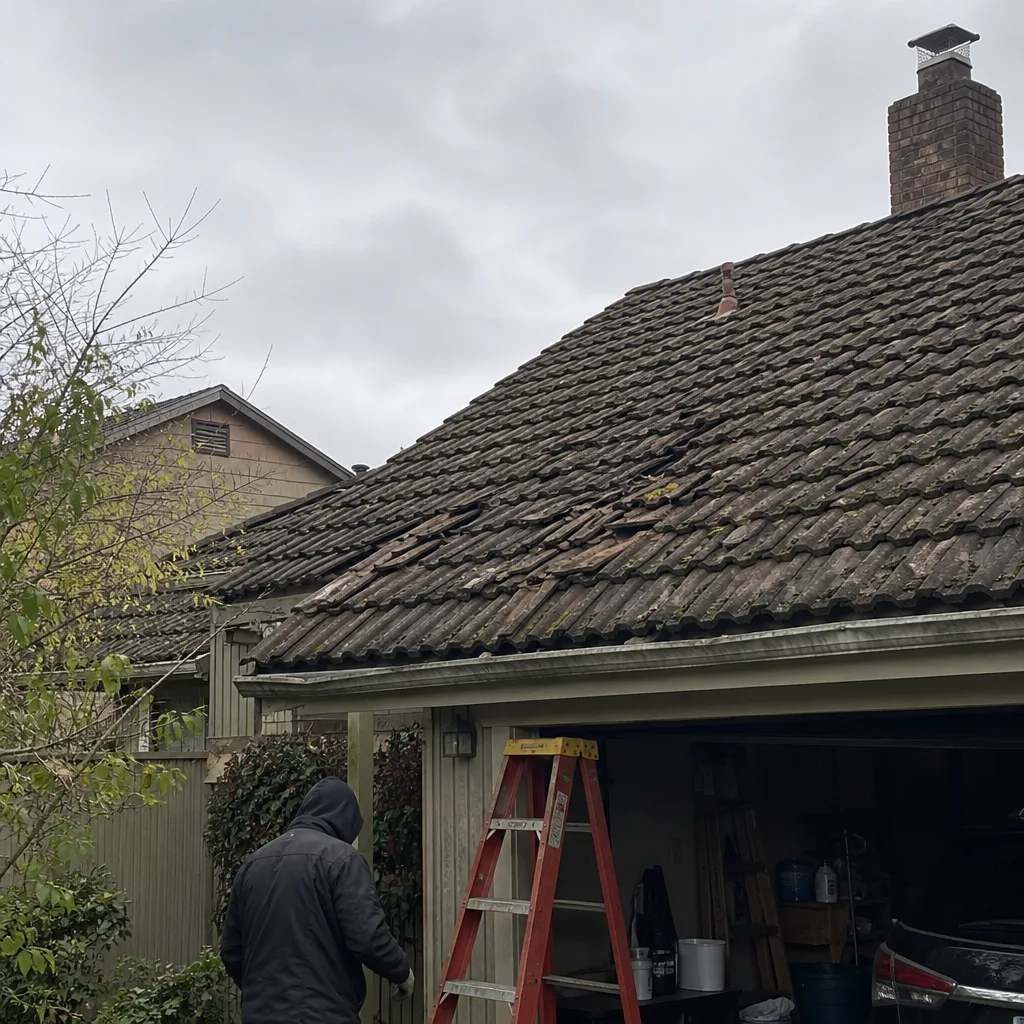 Before
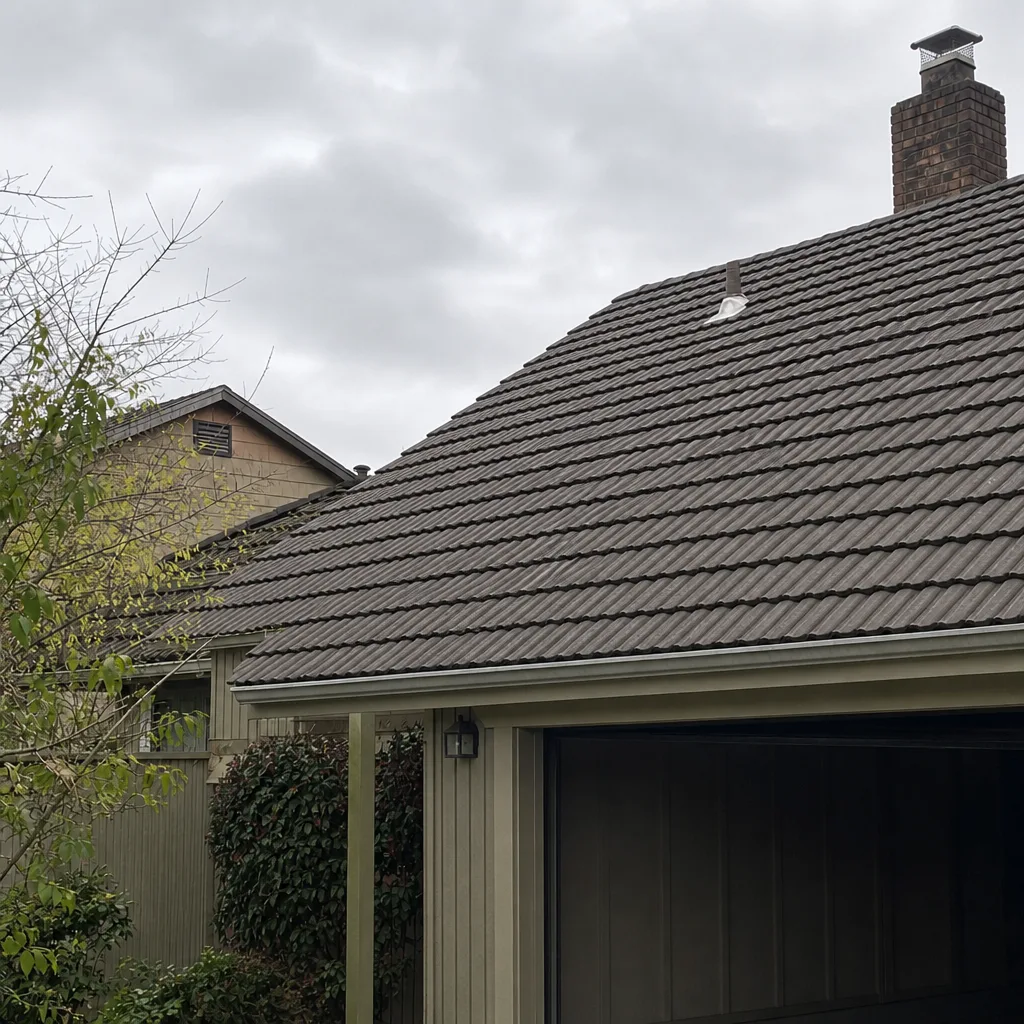 After
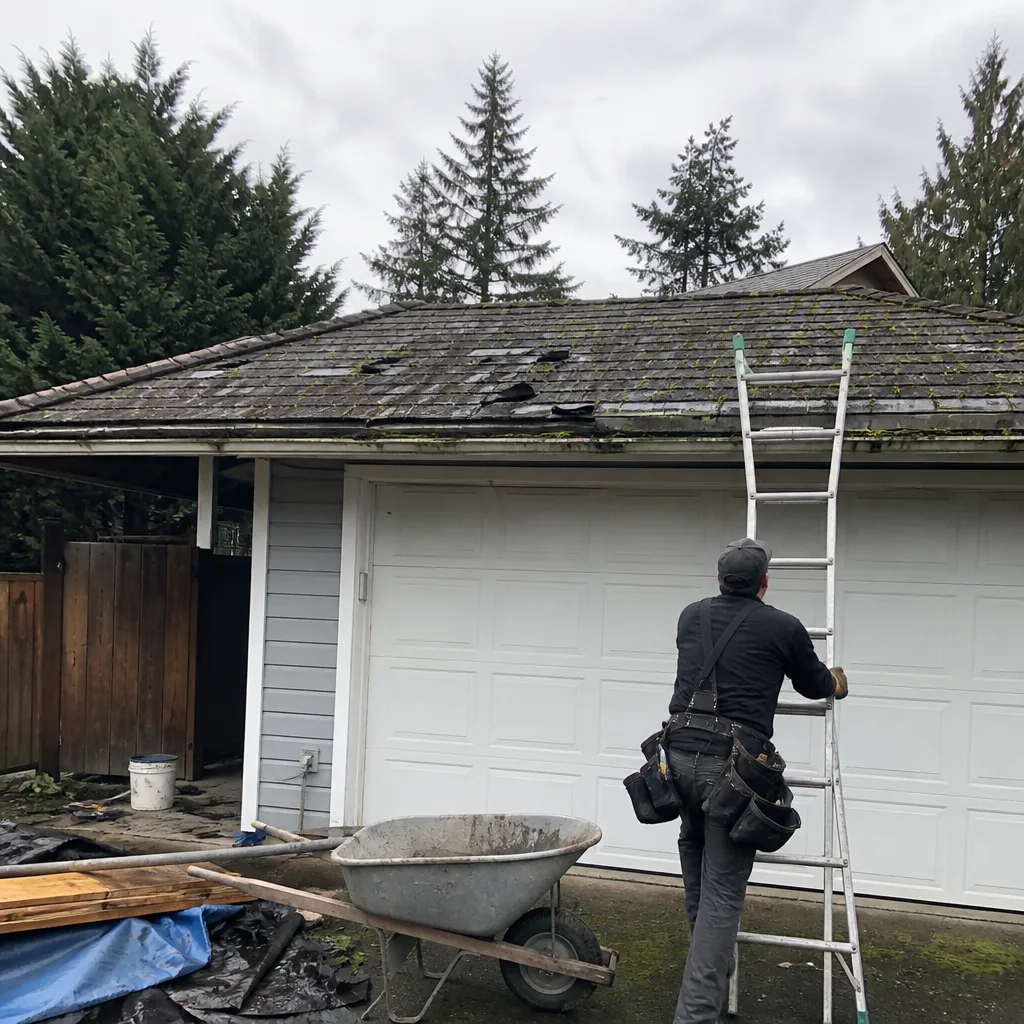 Before
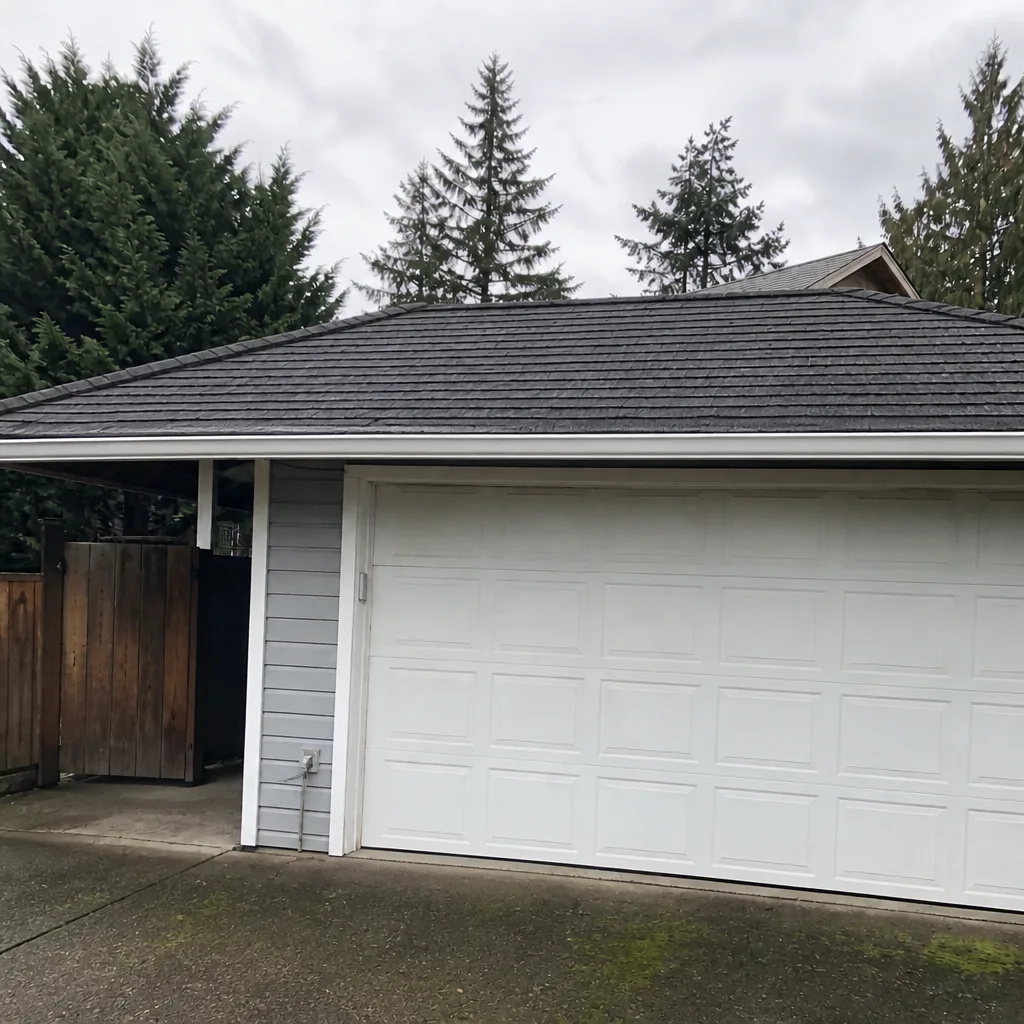 After
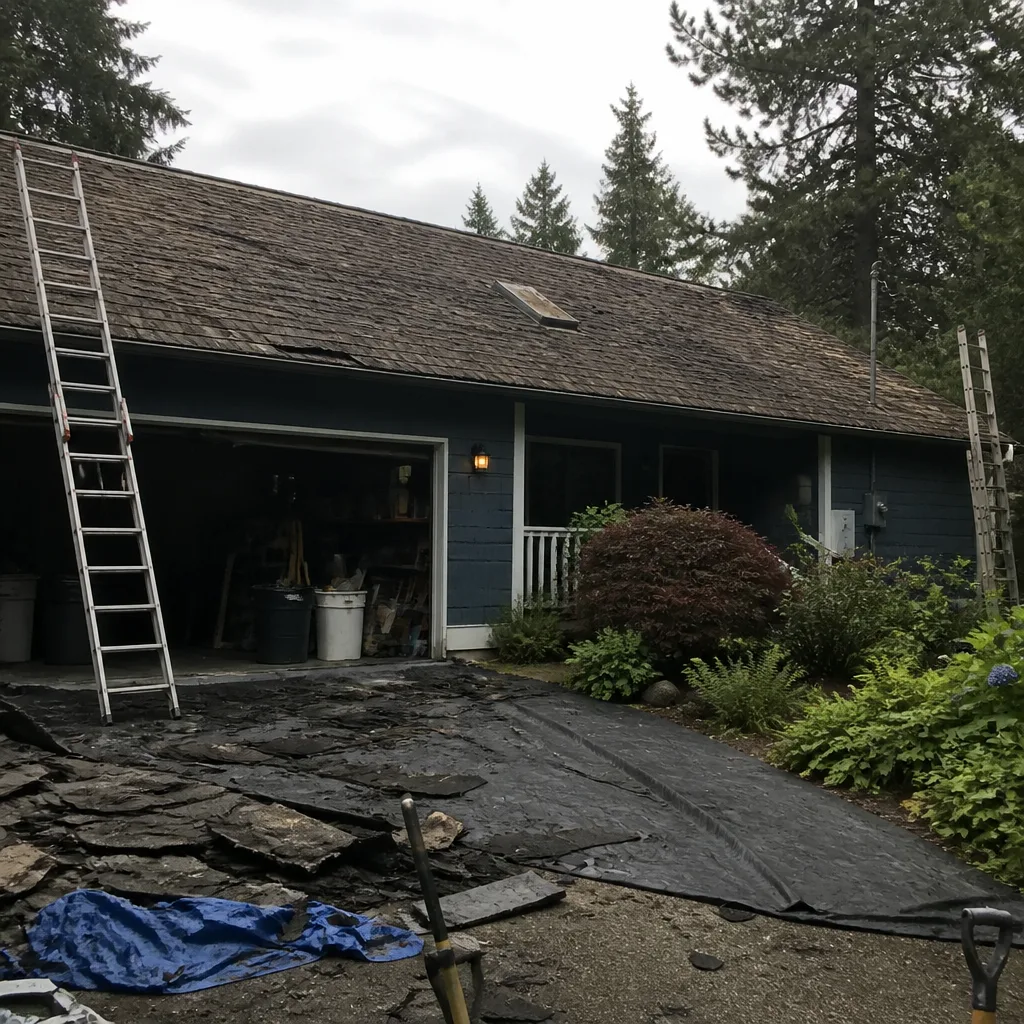 Before
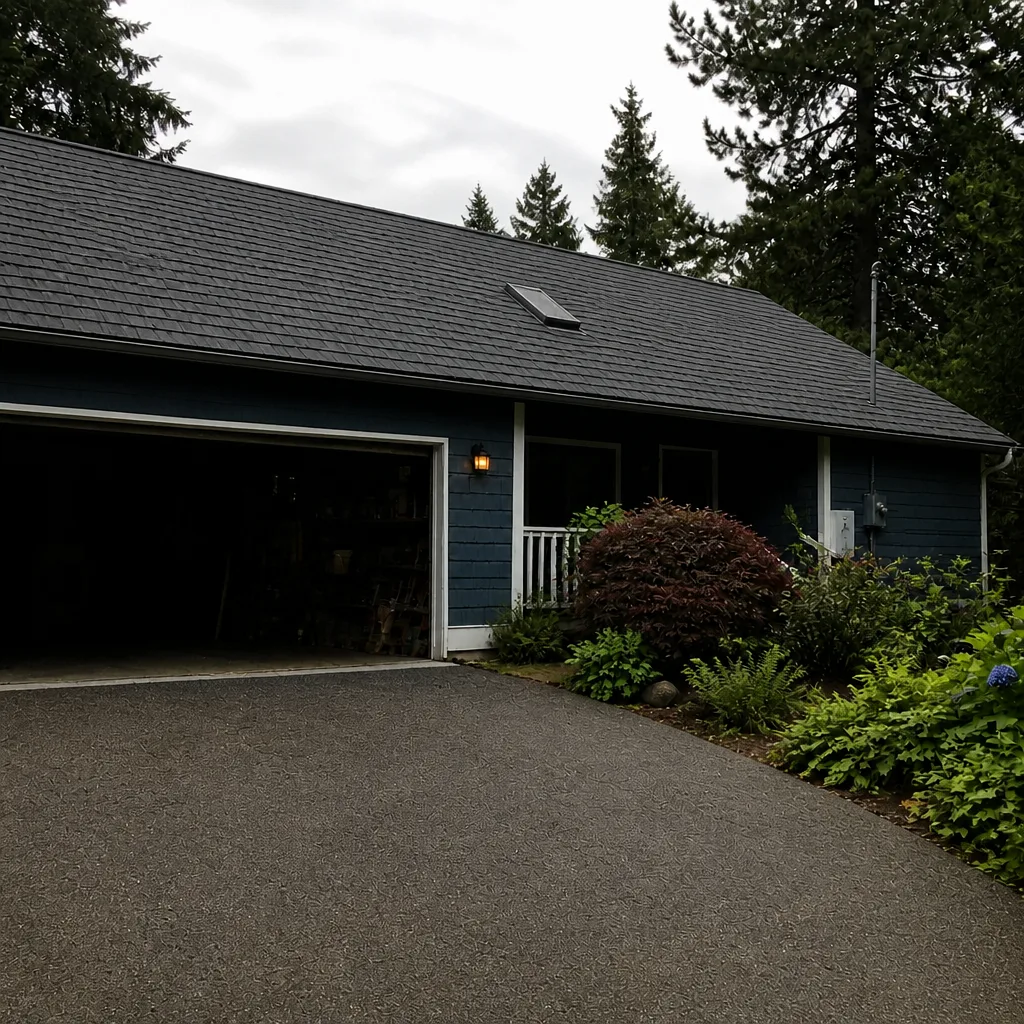 After
When to Call a Professional
Some roofing questions are answerable, and some need eyes on the roof. Call a professional if you’re seeing granule loss, curling or lifted shingles, persistent moss, reroof-level wear on a shaded or high-exposure Redmond roof, or a leak that keeps returning. Also call if you’re building or planning a replacement and want to compare shingle, tile, and metal honestly. These are decisions where a free on-site evaluation tells you more than any guide. Dangerous roof work – steep-slope height work, ridge-line access, and any work near the edge of a two-story roof – isn’t something we’d recommend taking on yourself. Fall risk is real, and a trained professional should be up there. Redmond Roofing Pros offers free estimates in Redmond. Call (425) 696-5053. We answer 24/7. Fast dispatch from 7am to 7pm, Sunday through Friday.
Frequently Asked Questions
A full replacement is priced per job by a written line-item estimate, and the total depends on roof size, pitch, material, and how much deck repair the tear-off reveals. Asphalt shingle costs less upfront than tile or metal, which have higher material costs but longer service lives. Call (425) 696-5053 for a free estimate – the price is set by the written quote.
Architectural asphalt with algae-resistant granules is the reliable choice for most Redmond homes, while standing seam metal and concrete tile last longer and resist moss better on shaded or heavy-canopy lots. The right answer depends on your roof’s pitch, shade, and how long you plan to stay. Call us for an honest comparison.
No, hail isn’t the defining threat here. Wind and falling limbs under conifer canopy are more likely to damage a Redmond roof, so wind-uplift rating and fastener pattern usually matter more than impact resistance. If you’re unsure whether a shingle is rated for your exposure, call (425) 696-5053 for an assessment.
Roofing usually requires a permit, and the rules vary by jurisdiction, so ask the City of Redmond’s building department before work starts. Confirm who pulls the permit on any bid you’re comparing. Call us and we’ll walk through what the permit process looks like for your project.
A roof-over is sometimes possible, but it isn’t the right call when the deck is compromised, the existing layer is already aged, or ventilation is poor. In a wet, shaded climate a proper tear-off lets you inspect the deck and correct flashing. We’ll tell you honestly which side you’re on.
The written estimate sets the final price, and a line-item quote is what protects you from surprises. Deck damage revealed during tear-off is the one real variable, which is why a good bid prices it in advance. Call (425) 696-5053 for a free estimate in Redmond.
The Bottom Line
Redmond’s climate is more specific than the region’s default roofing advice. More than 37 inches of annual rainfall, heavy Douglas fir canopy, and freeze-thaw cycling at higher elevations raise the spec above what works on a Seattle flat lot. Match your material to your shade and pitch. Insist on algae-resistant granules and a proper synthetic underlayment. Check the installer behind the warranty. And when you’re ready to compare shingle, tile, and metal, get an estimate from someone who installs all three and can show you the trade-offs honestly.
Ready to talk about your roof? Redmond Roofing Pros installs shingle, tile, and metal systems from seven leading manufacturers, including GAF, CertainTeed, Owens Corning, IKO, Atlas, Tamko, and Boral, so the material is chosen from your home’s needs, not our inventory. We answer 24/7. Fast dispatch from 7am to 7pm, Sunday through Friday. Call (425) 696-5053 for a free estimate.
Written by the team at Redmond Roofing Pros.